


Cooling Technologies in Adjustable Mattresses: Gel Foams vs. Airflow Transfer Systems
Nothing disrupts a good night’s sleep quite like waking up in a pool of sweat. For the millions of hot sleepers who toss and turn throughout the night, finding the right mattress cooling technology can be the difference between restful slumber and restless nights. While traditional memory foam mattresses offer excellent pressure relief and body contouring, they’re notorious for trapping body heat—leaving many sleepers searching for innovative solutions.
The mattress industry has responded with two primary cooling approaches: gel-infused foams and advanced airflow systems. Both technologies aim to regulate temperature, but they work in fundamentally different ways. Understanding these differences is crucial for anyone shopping for an adjustable mattress that keeps them cool and comfortable all night long.
The Heat Retention Problem in Memory Foam
Traditional memory foam mattresses create their signature contouring effect by responding to body heat and pressure. However, this same heat sensitivity that makes memory foam so comfortable also creates its biggest drawback—heat retention. The dense structure of conventional memory foam restricts airflow, causing body heat to become trapped within the mattress layers.
This heat buildup doesn’t just affect comfort; it can significantly impact sleep quality. When your core body temperature rises, it signals to your brain that it’s time to wake up, leading to frequent sleep disruptions. For couples, the problem compounds as two bodies generate even more heat in a confined space.
Hot sleeping affects people differently, but certain groups are particularly susceptible. Active adults and athletes often run warmer due to higher metabolic rates. People experiencing hormonal changes may find themselves dealing with night sweats. Additionally, those with chronic pain or joint issues who rely on memory foam’s pressure relief benefits shouldn’t have to choose between comfort and temperature regulation.
Gel-Infused Foam Technology: The First Wave of Cooling
Gel-infused foams emerged as one of the first mainstream solutions to memory foam’s heat retention issues. This technology involves incorporating gel particles, gel swirls, or gel layers into traditional memory foam structures.
How Gel Foams Work
Gel materials naturally feel cooler to the touch than traditional foam. When you first lie down on a gel-infused mattress, you’ll notice an immediate cooling sensation. The gel works by absorbing and dispersing body heat more effectively than standard foam alone. Some gel foams use phase-change materials that actively absorb heat as they transition between solid and liquid states.
The cooling effect occurs primarily through enhanced thermal conductivity. While traditional memory foam acts as an insulator, trapping heat, gel-infused foams conduct heat away from your body more efficiently. This creates a more stable sleep temperature, at least initially.
Benefits of Gel Foam Technology
Gel foams offer several advantages beyond temperature regulation. The infusion process often creates a more responsive foam that recovers its shape more quickly than traditional memory foam. This means less of that “stuck in the mattress” feeling that some people experience with conventional memory foam.
Additionally, gel foams typically provide the same pressure relief benefits as traditional memory foam while maintaining better edge support. The gel particles can also help reduce motion transfer between sleep partners, making them an excellent choice for couples with different sleep schedules.
Limitations of Gel Foam Cooling
Despite their initial cooling sensation, gel foams have notable limitations. The primary drawback is that gel materials eventually reach thermal equilibrium with your body temperature. This means the cooling effect diminishes throughout the night as the gel warms up. Many users report that gel foams feel cool for the first hour or two but then retain heat similarly to traditional memory foam.
Furthermore, gel foams don’t address the fundamental issue of airflow restriction in dense foam layers. While they may conduct heat away from the surface more effectively, they don’t necessarily improve overall breathability throughout the mattress structure.
Advanced Airflow Transfer Systems: The Next Generation
Recognizing the limitations of surface-level cooling solutions, some manufacturers have developed comprehensive airflow systems that address heat retention at its source. These systems focus on actively moving air through the mattress structure rather than simply absorbing or conducting heat.
How Airflow Transfer Systems Work
Modern airflow systems create a circulation network within the mattress that mimics natural breathing. These systems typically combine multiple components: strategically placed ventilation holes in foam layers, internal air channels, and breathable cover materials that work together to promote continuous air movement.
The most advanced systems create a passive circulation effect. Cool air enters through ventilation points, travels through internal channels, absorbs body heat, and then exits through other openings. This creates a constant exchange of air that prevents heat buildup before it becomes a problem—much like having a built-in fan that you can’t feel but that works continuously throughout the night.
Unlike gel foams that provide temporary cooling, airflow systems maintain their effectiveness throughout the night. The continuous air circulation means the cooling effect doesn’t diminish as materials reach thermal equilibrium.
Structural Design Advantages
Airflow systems require thoughtful engineering of the entire mattress structure. This approach often results in better overall mattress performance beyond just temperature regulation. The internal channel systems can also improve the foam’s responsiveness and durability by reducing the stress on individual foam cells.
These systems typically incorporate multiple foam densities and types, creating zones that serve different purposes. Softer foams provide comfort and pressure relief, while firmer support foams maintain spinal alignment. The airflow network ties these layers together while maintaining temperature control throughout.
Real-World Performance
In practical use, airflow systems demonstrate more consistent cooling performance than gel foams. Users report maintaining comfortable sleep temperatures throughout the night rather than experiencing the gradual warming common with gel-based solutions. The active air circulation also helps manage humidity, creating a drier sleep environment that many find more comfortable.
Our Approach: Combining Both Technologies
At Airpedic, we’ve recognized that the most effective cooling solutions don’t rely on a single technology. Instead, we’ve developed a comprehensive approach that combines both gel-infused memory foam and our patented Passive Airflow Transfer System® (U.S. Patent No. 7,334,280) to create superior temperature regulation.
Our dual-technology strategy provides both immediate surface cooling and sustained temperature regulation throughout the night. The gel-infused layers offer immediate cooling contact and enhanced thermal conductivity, while our airflow system ensures that heat doesn’t accumulate anywhere within the mattress structure.
For example, our 1000 model features a Hypergel Infusion Cooling Layer combined with a Cooling Memory Foam layer. The 850 model takes this even further with a gel swirl surface layer, a Hypergel Infusion Cooling Layer, and additional Cooling Memory Foam—all working in concert with our optional airflow system. Other models throughout our lineup, including the 500, 600, 650, 700, and 800, incorporate various gel-infused cooling layers.
Our Passive Airflow Transfer System® works by making the mattress “breathe” through strategically spaced pinhole ventilation holes in the memory foam combined with underlying channels in the base. Cool air travels through these ventilation points, flows through the internal channel system, and circulates out through our breathable Kool-Flow® micro-vented bamboo covers. This creates continuous air circulation that outperforms high-density memory foams that typically lack any breathability.
We also incorporate natural latex in models like our 1100 and 1200, which has an inherent open-cell structure that naturally promotes airflow. Combined with our CertiPUR-US® certified foams and breathable bamboo covers, this comprehensive approach addresses temperature regulation on multiple levels.
Comparing Performance: Gel Foams vs. Airflow Systems
When evaluating these technologies head-to-head, several key differences emerge in both immediate and long-term performance.
Initial Cooling Effect
Gel foams typically provide a more noticeable immediate cooling sensation. The cool-to-the-touch surface creates an instant temperature difference that many sleepers appreciate. Airflow systems may not provide the same dramatic initial cooling but offer more subtle, consistent temperature regulation.
Sustained Temperature Control
This is where airflow systems demonstrate their superiority. While gel foams gradually warm up and lose their cooling effectiveness, airflow systems maintain consistent performance throughout the night. The continuous air circulation prevents the heat saturation that limits gel foam performance when used alone.
The most effective approach combines both technologies, providing users with immediate cooling from gel layers and sustained temperature control from airflow systems.
Durability and Longevity
Airflow systems generally maintain their cooling effectiveness longer than gel foams alone. Gel particles can break down over time, reducing their cooling properties. In contrast, properly designed airflow channels maintain their structure and functionality for the life of the mattress.
Customization Potential
Advanced airflow systems often pair well with adjustable firmness technologies, allowing users to customize both comfort and cooling levels. This combination is particularly valuable for couples with different temperature preferences or individuals whose cooling needs change seasonally.
Additional Cooling Technologies and Materials
Modern cooling mattresses often incorporate multiple technologies beyond their primary cooling systems. Understanding these complementary features can help you make a more informed decision.
Natural Materials for Temperature Regulation
Natural latex stands out for its inherent cooling properties due to its open-cell structure that naturally promotes airflow throughout the mattress. This material offers superior breathability compared to most other foams, helping body heat dissipate rather than becoming trapped.
When combined with gel foams and airflow systems, natural latex layers enhance overall breathability significantly, creating a comprehensive cooling environment.
Cover and Fabric Innovations
Breathable cover materials play a crucial role in any cooling system’s effectiveness. Micro-vented covers create additional airflow entry points, while moisture-wicking fabrics prevent humidity buildup that can make you feel warmer.
Bamboo-derived fabrics have gained popularity for mattress covers due to their moisture-wicking properties, breathability, and eco-friendly characteristics. These materials complement underlying cooling technologies by managing surface-level temperature and humidity.
Some advanced covers incorporate phase-change materials that actively manage temperature fluctuations throughout the sleep cycle. These materials work similarly to gel foams but are integrated into the cover layer for more immediate effect.
The Role of Adjustable Bases in Temperature Control
Pairing cooling mattress technologies with adjustable bases creates additional temperature management opportunities. Elevating different parts of the body can improve natural air circulation around the sleeper, reducing the likelihood of heat buildup in contact areas.
Adjustable bases also allow for better alignment, which can reduce the amount of body surface in direct contact with the mattress. This reduced contact area means less heat transfer and better overall temperature regulation.
For couples, adjustable bases with split configurations allow each partner to optimize their position for both comfort and temperature control without affecting their partner’s preferences.
Making the Right Choice for Your Sleep Needs
Selecting between gel foam and airflow system technologies depends on your specific sleep patterns, preferences, and needs.
Consider Gel Foams If:
You prefer an immediate cooling sensation when you first get into bed. The instant cool-to-the-touch feeling can be psychologically comforting and help you fall asleep faster.
You’re a mild hot sleeper who doesn’t experience severe overheating throughout the night. Gel foams may provide sufficient cooling for less extreme temperature sensitivity.
You prioritize traditional memory foam feel with enhanced cooling rather than seeking maximum temperature regulation.
Choose Airflow Systems If:
You experience significant overheating throughout the night, not just when first going to bed. The sustained cooling performance of airflow systems is essential for severe hot sleepers.
You want cooling technology that maintains effectiveness over time. The consistent performance and durability of airflow systems provide better long-term value.
You sleep with a partner who also runs warm, creating additional heat challenges that require robust cooling solutions.
You live in consistently warm climates where ambient temperature adds to cooling challenges.
Consider Combined Technologies If:
You want the best of both worlds—immediate cooling satisfaction and sustained temperature regulation throughout the night.
You’re a serious hot sleeper who needs comprehensive cooling solutions that address multiple aspects of temperature management.
You value long-term performance and want cooling technology that won’t diminish over time.
The Future of Mattress Cooling Technology
The mattress industry continues innovating in temperature regulation, with hybrid approaches becoming increasingly common. Many high-end mattresses now combine gel foams with airflow systems, using each technology’s strengths to create comprehensive cooling solutions.
Emerging technologies include smart materials that adjust their thermal properties based on ambient conditions and individual user preferences. Some manufacturers are exploring integration with bedroom climate control systems for whole-room temperature management.
Conclusion: Beyond Surface-Level Cooling
The evolution from gel foams to advanced airflow systems represents a fundamental shift in how the mattress industry approaches temperature regulation. While gel foams provided an important first step in addressing memory foam’s heat retention issues, the most effective solutions combine both technologies to tackle the problem comprehensively.
For hot sleepers, choosing a mattress with both gel foam and airflow technologies can significantly impact sleep quality and overall health. Gel foams offer immediate cooling satisfaction and work well for surface-level temperature management, while airflow systems provide the sustained, consistent cooling performance that severe hot sleepers need for truly restorative sleep.
The most effective cooling mattresses combine multiple approaches: gel foams for immediate surface cooling, airflow systems for sustained temperature regulation, and natural materials like latex and bamboo-derived fabrics to create comprehensive sleep environments that maintain optimal temperature throughout the night.
When shopping for a cooling mattress, consider systems that integrate multiple cooling technologies rather than relying on a single approach. The combination of gel-infused foams, advanced airflow systems, natural materials, and customizable firmness options provides a complete solution for hot sleepers who refuse to compromise on comfort. The investment in this level of advanced cooling technology pays dividends in improved sleep quality, better health outcomes, and enhanced daily performance.
Ready to explore cooling mattress options that combine innovative technology with personalized comfort? Discover advanced cooling solutions and explore comprehensive mattress options designed for hot sleepers who refuse to compromise on comfort.
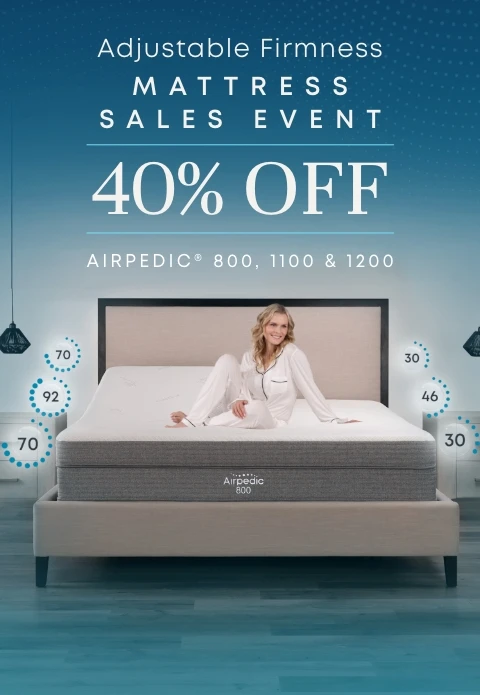

Experience a new degree of personalized sleep.


Find the Airpedic® that’s just right for your sleep needs.

Buy with monthly payments.
Get an Airpedic Mattress starting as low as $84/mo
or interest-free.
Read More About Healthy Sleep

Sleep Comfortably Without the Burn Acid reflux affects millions of people, and not just during waking hours. For many, nighttime symptoms can make restful sleep seem a nightly struggle, with the burning sensation, regurgitation, and discomfort of gastroesophageal reflux disease (GERD) often worsening when lying flat. Luckily, the right sleep…
If you’ve ever been awakened by a partner’s tossing and turning, then you have experienced the frustrating phenomenon of “motion transfer” – in other words, when one person’s movements transfer across the mattress where they are felt by the other. It’s no surprise this can be pretty disruptive to restful…
View More
Call one of our sleep experts to place an order.
Business Hours
- Monday - Friday 8:00am - 6:00pm PST
- Saturday - Sunday 10:00am - 6:00pm PST