




Why You Wake Up Sweating at Night (And What Your Mattress Has to Do With It)
If you regularly wake up drenched in sweat, you’re not alone—and the problem may not be entirely medical. While hormonal shifts, medications, and illness can all trigger night sweats, one of the most overlooked culprits is sleeping on the wrong mattress. The materials beneath you play a surprisingly large role in whether your body can regulate its temperature through the night.
During sleep, your core body temperature naturally drops to initiate and sustain deep, restorative rest. When your mattress traps heat instead of releasing it, that cooling process is disrupted. The result is restless tossing, excessive sweating, and fragmented sleep cycles that leave you feeling exhausted the next morning.
Understanding how mattress construction, airflow design, and even your sleep position affect thermal regulation can help you solve the problem at its source. In this guide, we’ll break down why traditional mattresses overheat, how advanced cooling technologies work, and what practical steps you can take to sleep cooler tonight.
What Causes Night Sweats During Sleep?
Natural Body Temperature Fluctuations
Your body follows a natural temperature rhythm governed by your circadian clock. In the hours leading up to sleep, your core temperature begins to decline, signaling the brain that it’s time to rest. This drop continues through the night, reaching its lowest point in the early morning hours before gradually rising again as you approach waking.
When this cooling process is interrupted—whether by external heat, poor ventilation, or heat-retaining materials—your body compensates by sweating. That’s a healthy thermoregulatory response, but it’s also a signal that something in your sleep environment is working against you.
Environmental and Lifestyle Factors
Room temperature and humidity are two of the most immediate factors influencing how hot you feel at night. A bedroom that’s too warm or too humid forces your body to work harder to cool down. Sleepwear and bedding materials also play a role; synthetic fabrics tend to trap moisture against the skin, amplifying the sensation of heat.
Mattress-Related Heat Retention
Beyond the room itself, the mattress is one of the largest surfaces in contact with your body for hours at a time. Certain materials—particularly dense foams—are known for absorbing and holding body heat rather than allowing it to dissipate. When a mattress lacks proper airflow, it essentially becomes an insulating layer that reflects warmth back at you, preventing the natural cooldown your body needs.
The “Heat Trap”: Why Traditional Mattresses Overheat
Dense Construction in Memory Foam
Memory foam is widely popular for its pressure-relieving properties, but its dense, closed-cell structure comes with a thermal cost. The tightly packed foam cells conform closely to the body, which is great for support but highly effective at trapping heat. Unlike open-cell materials that allow air to pass through, closed-cell foam acts more like an insulating blanket, holding warmth right where it’s generated.
The Sinking Sensation
When you lie on a memory foam mattress and feel yourself “sinking in,” that conforming sensation also increases the amount of body surface area in direct contact with the material. The more of your skin that’s pressed against foam, the less opportunity there is for air to circulate around your body and carry heat away. This creates a cocoon-like effect that may feel cozy at first but quickly becomes uncomfortably warm.
Lack of Ventilation
Traditional mattress designs often lack any dedicated system for moving air through the mattress. Without ventilation channels, pincore holes, or breathable layers, body heat has nowhere to go. It radiates downward into the foam, which absorbs it and then reflects it back toward you. Over time, this trapped heat builds up, raising your skin temperature and triggering the sweat response.
The Solution: Advanced Cooling Technologies
The Airflow Transfer System (ATS)
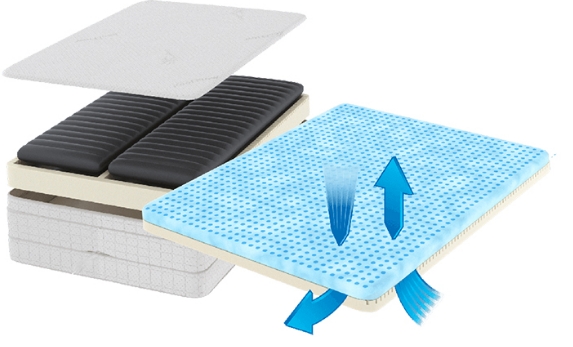
Airpedic’s patented Passive Airflow Transfer System (ATS) was engineered to solve the heat-retention problem that plagues traditional mattresses. Rather than relying solely on material composition, the ATS takes a structural approach to cooling.
The system works by combining pincore surface holes with a network of underlying airflow channels built into the mattress base. As your body radiates heat downward, that warmth travels through the pincore holes, enters the channel system, and is ventilated out through the sides of the mattress. In effect, the mattress continuously “breathes in” cooler ambient air while “breathing out” the warm air your body produces.
This passive ventilation mechanism requires no electricity, fans, or moving parts. It works automatically throughout the night, delivering full-mattress airflow that significantly outperforms the limited breathability of high-density foam. The result is a sleep surface that stays consistently cool without any active intervention.
Cooling Materials and Fabrics
Gel-Infused Foams: Many modern cooling mattresses incorporate gel swirl or hyper-gel layers designed to actively draw heat away from the body. These gels absorb thermal energy and distribute it across a wider area, preventing concentrated hot spots from forming beneath the sleeper.
Natural Latex: Unlike memory foam, natural latex features an open-cell structure that is inherently breathable. Air moves freely through the material, making it temperature-neutral by nature. Latex doesn’t absorb and hold heat the way closed-cell foam does, which means it stays comfortable across a much wider range of room temperatures.
Breathable Covers: The outermost layer of a mattress matters more than many people realize. Micro-vented covers made from bamboo fabric or silky damask provide moisture-wicking properties and a cool-to-the-touch feel. These covers work in tandem with the mattress’s internal cooling systems to ensure that heat and moisture are managed at every layer.
How Bed Positioning Regulates Temperature

Improved Circulation Through Elevation
The way you position your body during sleep has a direct effect on how efficiently you regulate heat. Raising your head and feet slightly on an adjustable base improves blood circulation by reducing the effort your heart needs to pump blood to your extremities. When circulation improves, your body distributes and releases heat more evenly, preventing warmth from concentrating in your torso and core.
Inclined Sleeping and Air Movement
Elevating the upper body even modestly increases the amount of air that can move around your chest and back. When you lie completely flat, your torso presses directly into the mattress surface, trapping heat between your body and the material. An inclined position creates a small gap that encourages airflow, helping heat dissipate rather than build up.
Circadian Rhythm Support
Finding a comfortable sleep position quickly is more than a matter of convenience. When your body settles into a supportive position without prolonged tossing and turning, it can relax fully and allow its natural cooling mechanisms to take over. Restless movement generates additional body heat and delays the onset of deep sleep, so a mattress and base combination that promotes immediate comfort also supports your circadian rhythm’s natural temperature regulation.
Signs Your Mattress May Be Causing You to Overheat
Not sure whether your mattress is part of the problem? There are a few telltale signs that your sleep surface may be contributing to overheating. If you consistently wake up sweating even when your room temperature is cool and stable, your mattress may be retaining heat. Feeling noticeably warmer in the center of the bed—where body impressions tend to form—is another strong indicator, as those compressed areas lose their ability to breathe over time.
Frequent tossing and turning driven by discomfort rather than restlessness, and noticeable heat buildup in areas where your body sinks deepest into the mattress, are also signs worth paying attention to. If any of these sound familiar, upgrading to a mattress with active airflow and cooling materials may make a significant difference.
Practical Tips to Stop the Sweat
Even the best mattress benefits from a thoughtfully designed sleep environment. Here are practical steps you can take alongside your mattress choice to maximize nighttime cooling.
1. Keep your bedroom cool. Set your thermostat between 60–67°F, which is widely recognized as the ideal temperature range for sleep. Cooler air supports your body’s natural temperature drop and makes it easier to fall and stay asleep.
2. Choose natural bedding materials. Opt for sheets made from cotton, linen, or bamboo—natural fibers that wick moisture away from the skin and allow air to circulate. Avoid synthetic fabrics, which tend to trap heat and humidity against the body.
3. Use a breathable mattress protector. Look for GOTS-certified organic cotton or other breathable materials. Many waterproof protectors use plastic-based barriers that create an impermeable heat layer between you and your mattress, effectively negating any cooling features built into the mattress itself.
4. Maximize air circulation in the room. A ceiling fan or floor fan creating consistent airflow across the bed can make a noticeable difference. Moving air helps evaporate moisture from skin and bedding, accelerating the cooling effect.
5. Rotate your mattress regularly. Rotate your mattress every three to six months to prevent permanent body impressions from forming. These compressed areas become dense heat-trapping valleys that reduce the mattress’s ability to breathe.
6. Air out your mattress periodically. Strip the bedding and let your mattress breathe in a well-ventilated room from time to time. This releases trapped moisture from daily use and helps restore the material’s breathability.
Cool Sleep Starts with the Right Mattress
Waking up sweating is more than a minor inconvenience—it’s a sign that your sleep environment isn’t supporting the deep, restorative rest your body needs. While room temperature, bedding, and lifestyle habits all play a role, the mattress itself is often the most impactful factor in thermal regulation.
Advanced cooling technologies like the Airflow Transfer System, combined with breathable materials such as gel-infused foams and natural latex, address heat retention at a structural level. Rather than masking the problem with surface-level fixes, these systems create continuous airflow that keeps your sleep surface cool throughout the night.
If you’re a hot sleeper ready to make a change, explore Airpedic’s cooling mattress collection to find a mattress engineered for temperature regulation from the inside out.
Want to understand the science behind these systems? Read more about cooling technologies in adjustable mattresses: gel foams vs. airflow transfer systems.


Experience a new degree of personalized sleep.


Find the Airpedic® that’s just right for your sleep needs.

Buy with monthly payments.
Get an Airpedic Mattress starting as low as $84/mo
or interest-free.
Read More About Healthy Sleep
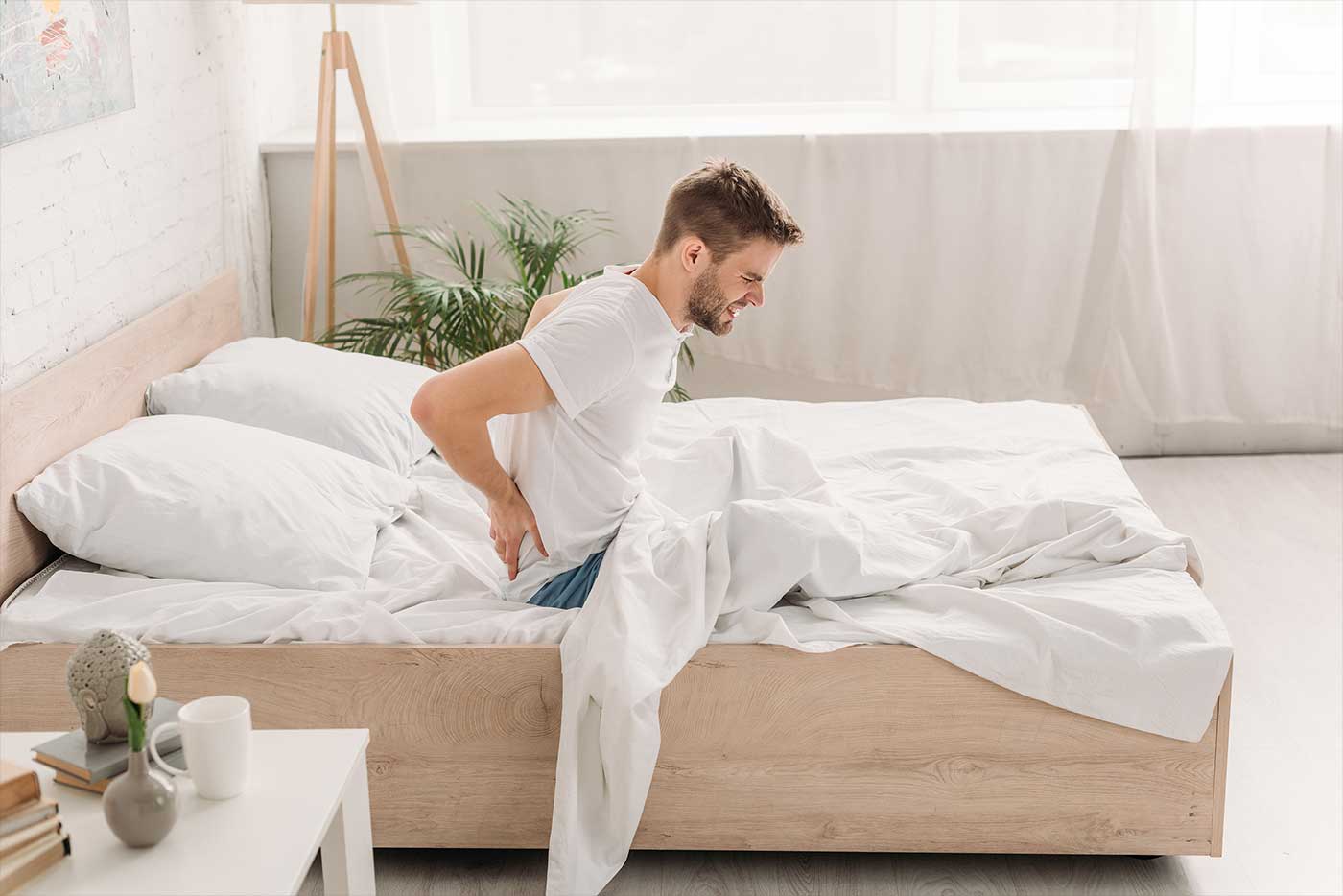
You went to bed feeling fine, but you woke up stiff, sore, and achy. Sound familiar? This frustrating experience has a name: sleep pain. And for millions of people, it is a nightly occurrence that erodes sleep quality and daytime well-being. In this article, you will learn exactly what sleep…
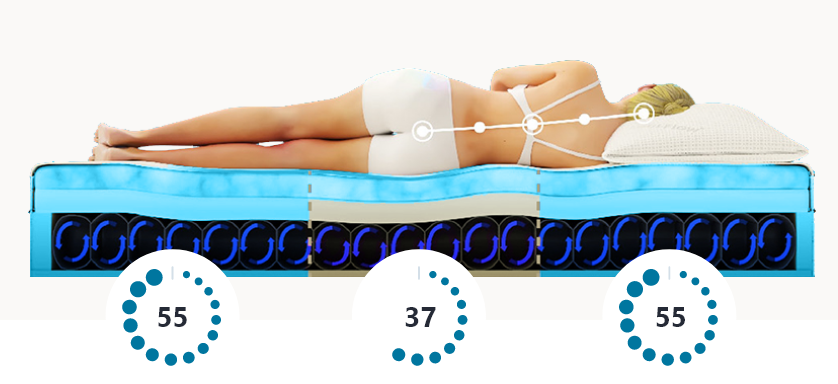
Lower back discomfort is one of the most common reasons people wake up feeling worse than when they went to bed. For back and stomach sleepers in particular, the wrong mattress doesn’t just fail to support the spine—it actively works against it. When the midsection sags into a soft or…
View More
Call one of our sleep experts to place an order.
Business Hours
- Monday - Friday 8:00am - 6:00pm PST
- Saturday - Sunday 10:00am - 6:00pm PST