



What Is Sleep Pain and Why the Right Mattress Matters
You went to bed feeling fine, but you woke up stiff, sore, and achy. Sound familiar? This frustrating experience has a name: sleep pain. And for millions of people, it is a nightly occurrence that erodes sleep quality and daytime well-being.
In this article, you will learn exactly what sleep pain is, why it happens, and what you can do about it. As mattress experts who specialize in orthopedic sleep solutions, we understand the connection between support systems and physical comfort. By the end, you will have the knowledge to evaluate your own sleep setup and take meaningful steps toward more restful, pain-free nights.
What Is Sleep Pain?
Sleep pain refers to physical discomfort that develops during rest and is most noticeable upon waking. Unlike pain caused by an injury or daytime activity, sleep pain often appears without an obvious trigger. You might wake up with a stiff lower back, aching hips, sore shoulders, or a tight neck, only to find the discomfort gradually fades as you move through your morning.
This type of pain is distinct because it originates from the conditions of sleep itself rather than from something you did while awake. It is the result of spending hours in positions that place sustained pressure on certain body parts or allow your spine to fall out of its natural alignment.
Common symptoms of sleep pain include:
- Lower back stiffness or aching that improves after stretching
- Hip soreness, particularly for side sleepers
- Shoulder tension or numbness
- Neck pain that limits your range of motion
- General morning stiffness in the joints
How Sleep Pain Develops Overnight
Your body does not simply “turn off” while you sleep. It responds to the surface beneath it. When your mattress fails to provide adequate support, your spine can curve into unnatural positions. This is often described as the “hammock effect,” where heavier body parts like the hips and midsection sink too deeply while lighter areas like the legs remain elevated, creating a sagging curve that strains the lumbar region.
Over the course of several hours, this misalignment places continuous stress on muscles, ligaments, and joints. Pressure points form where body weight concentrates on a hard or unsupportive surface. The result is pain that seems to come from nowhere but is actually the cumulative effect of hours spent in a compromised position.
What Causes Sleep Pain
Understanding the root causes of sleep pain is the first step toward addressing it. The causes generally fall into two categories: mattress-related factors and body- or lifestyle-related factors.
Mattress-Related Contributors
The surface you sleep on plays a critical role in whether you wake up refreshed or in pain.
Static firmness limitations. Traditional mattresses offer a single firmness level across the entire sleep surface. This one-size-fits-all approach ignores a basic anatomical reality: different parts of your body have different support needs. Your shoulders may need softer cushioning while your lumbar region requires firmer reinforcement. A mattress that cannot accommodate these differences forces your body to adapt to it rather than the other way around.
Sagging and material degradation. Over time, foam compresses and springs lose tension. A mattress that once provided adequate support may begin to sag in high-use areas, particularly under the hips. This creates the conditions for spinal misalignment and pressure point pain.
Lack of zoned support. Without targeted support zones, a mattress cannot address the unique weight distribution of the human body. The midsection, which carries most of your weight, sinks while lighter regions float. This uneven support is a primary driver of chronic sleep pain.
Multi-zone adjustable systems represent a fundamentally different approach. By allowing independent firmness adjustments for different body regions, these systems can provide firm lumbar support without sacrificing shoulder cushioning, addressing the root mechanical causes of sleep pain.
Body and Lifestyle Factors
Your mattress is only part of the equation. Personal factors also contribute to sleep pain.
Age-related changes. As we age, joint cartilage thins, muscles lose elasticity, and bones become more sensitive to pressure. What felt comfortable at thirty may cause significant discomfort at fifty. Conditions like arthritis become more prevalent, and pain sensitivity often increases.
Prior injuries. Past injuries to the back, neck, hips, or shoulders can create lasting vulnerabilities. These areas may require specialized support that a standard mattress cannot provide.
Sleep position. Side sleepers concentrate their body weight on the shoulder and hip, creating pressure points. Back sleepers risk lumbar strain if their mattress allows the lower back to sink. Stomach sleepers face cervical spine stress from turning their head to breathe.
Partner differences. Couples often have different body types, weights, and firmness preferences. When two people share a mattress designed for one firmness level, at least one partner is likely sleeping on an unsuitable surface.
If you experience pain in specific areas, learning how to choose a mattress that addresses your needs can make a significant difference. Resources are available for those dealing with:
How Sleep Pain Affects Sleep Quality and Health
Sleep pain does not simply cause discomfort. It initiates a destructive cycle that undermines both sleep quality and overall health.
Disrupted Sleep Cycles
Pain is a powerful sleep disruptor. Even when it does not fully wake you, discomfort triggers micro-awakenings, brief interruptions that pull you out of deep sleep stages. You may not remember these moments in the morning, but their effects are measurable.
When pain prevents you from settling into a comfortable position, you toss and turn more frequently. Each movement resets your progress toward the deep, restorative sleep your body needs. REM sleep and slow-wave sleep, the stages responsible for physical recovery and cognitive restoration, become fragmented.
The result is a night that feels long but provides little actual rest. You wake up tired despite spending eight hours in bed.
The Pain-Sleep Cycle
Research in sleep medicine has documented a troubling relationship between pain and poor sleep. Pain causes sleep disturbance, but sleep deprivation also increases pain sensitivity. This bidirectional relationship creates a vicious cycle: the worse you sleep, the more pain you feel, and the more pain you feel, the worse you sleep.
Chronic pain patients often report that their symptoms are worst in the morning after a night of disrupted sleep. This is not coincidental. Sleep loss impairs the body’s ability to regulate pain signals and inflammation, making existing pain conditions feel more intense.
Long-Term Health Implications
When sleep pain becomes a chronic pattern, the consequences extend beyond morning stiffness.
Fatigue and cognitive decline. Persistent poor sleep quality leads to daytime sleepiness, difficulty concentrating, and reduced mental sharpness. Tasks that once felt routine become more challenging.
Reduced mobility. Ongoing musculoskeletal pain can limit your willingness to exercise or engage in physical activity, leading to muscle weakness and joint stiffness that compound the original problem.
Decreased quality of life. Chronic pain and chronic sleep problems are both independently linked to depression, anxiety, and reduced life satisfaction. Together, their impact is even more pronounced.
For aging sleepers in particular, maintaining consistent spinal alignment during sleep is not a luxury but a health necessity.
How Sleep Pain Can Be Reduced or Prevented
The good news is that sleep pain is neither normal nor inevitable. With the right approach, most people can significantly reduce or eliminate nighttime discomfort.
Rethinking Your Mattress
If you experience regular sleep pain, your mattress deserves scrutiny. However, the solution is not as simple as choosing “firm” or “soft.” What matters is how well your mattress supports your unique body.
Evaluate alignment, not just firmness. A mattress should keep your spine in a neutral position regardless of your sleep posture. This means different support levels for different body regions, something static-firmness mattresses cannot provide.
Consider adjustability. Your support needs are not fixed. They change with age, weight fluctuations, injuries, and health conditions. An adjustable mattress system allows you to modify support over time rather than replacing your entire mattress when your needs change.
Prioritize pressure relief. Materials matter. High-quality foams and natural latex contour to your body’s shape, distributing weight evenly and eliminating the pressure points that cause joint and muscle pain.
Think about temperature. Overheating during sleep keeps muscles tense and interferes with relaxation. Mattresses with active airflow technology help regulate temperature and promote the muscle relaxation necessary for pain-free rest.
Complementary Strategies
While your mattress is foundational, other factors also influence sleep pain.
Adjust your sleep position. Side sleepers can reduce hip pressure by placing a pillow between their knees. Back sleepers may benefit from a small pillow under the knees to support the lumbar curve. Stomach sleeping is generally discouraged for those with neck or back pain.
Consider an adjustable base. Elevating the head or feet can relieve pressure on specific body areas. The zero gravity position, which raises both the head and legs, distributes weight evenly across the mattress surface and reduces spinal compression. This position can provide significant relief for those with chronic pain, acid reflux, or circulation issues.
Regulate your sleep environment. Keep your bedroom cool, dark, and quiet. Good sleep hygiene supports the deep sleep stages where physical restoration occurs.
Consult professionals when needed. Persistent or severe pain warrants medical attention. Sleep disorders like obstructive sleep apnea or restless leg syndrome require diagnosis and treatment beyond mattress adjustments. A healthcare provider can help identify whether your pain has underlying causes that need direct intervention.
Conclusion
Sleep pain is the discomfort that greets you in the morning despite feeling fine when you went to bed. It stems from hours spent on surfaces that fail to support your body’s natural alignment, creating pressure points and spinal strain that manifest as stiffness, aching, and soreness.
This pain is common, but it is not something you have to accept. The cycle of pain disrupting sleep and poor sleep intensifying pain can be broken with the right approach.
The foundation of that approach is a sleep surface designed around your body’s actual needs: targeted support where you need firmness, cushioning where you need pressure relief, and the flexibility to adjust as those needs change over time. Multi-zone adjustable systems align with this philosophy, providing the personalized support that static mattresses cannot offer.
Take time to evaluate your current sleep setup with pain and alignment in mind. Consider whether your mattress supports your spine in a neutral position or forces it into compromise. Think about whether you have the ability to adjust support for different body regions or whether you are limited to a single firmness level.
Understanding sleep pain is the first step. Addressing it is within your reach.
Ready to explore mattresses designed with spinal alignment and pressure relief in mind? Browse the Airpedic mattress collection to find adjustable, multi-zone options built for orthopedic healthy sleep.


Experience a new degree of personalized sleep.


Find the Airpedic® that’s just right for your sleep needs.

Buy with monthly payments.
Get an Airpedic Mattress starting as low as $84/mo
or interest-free.
Read More About Healthy Sleep
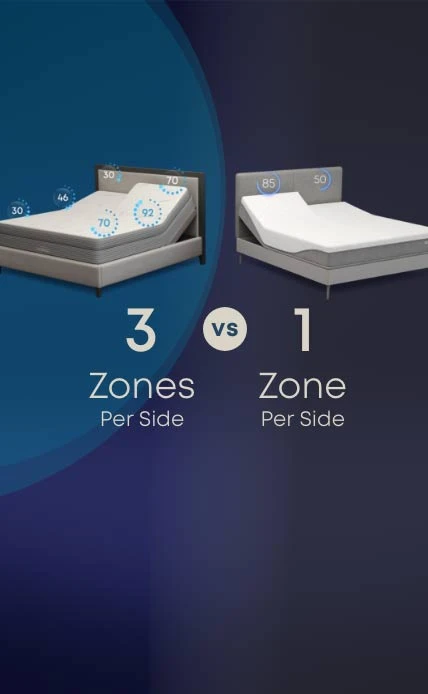
If you’ve been shopping for an adjustable air mattress, you’ve likely encountered two design approaches: multi-chamber systems and dual-zone configurations. While both promise personalized comfort and better sleep, the difference in how they support your body is significant—and understanding that difference could be the key to finally getting the restorative…
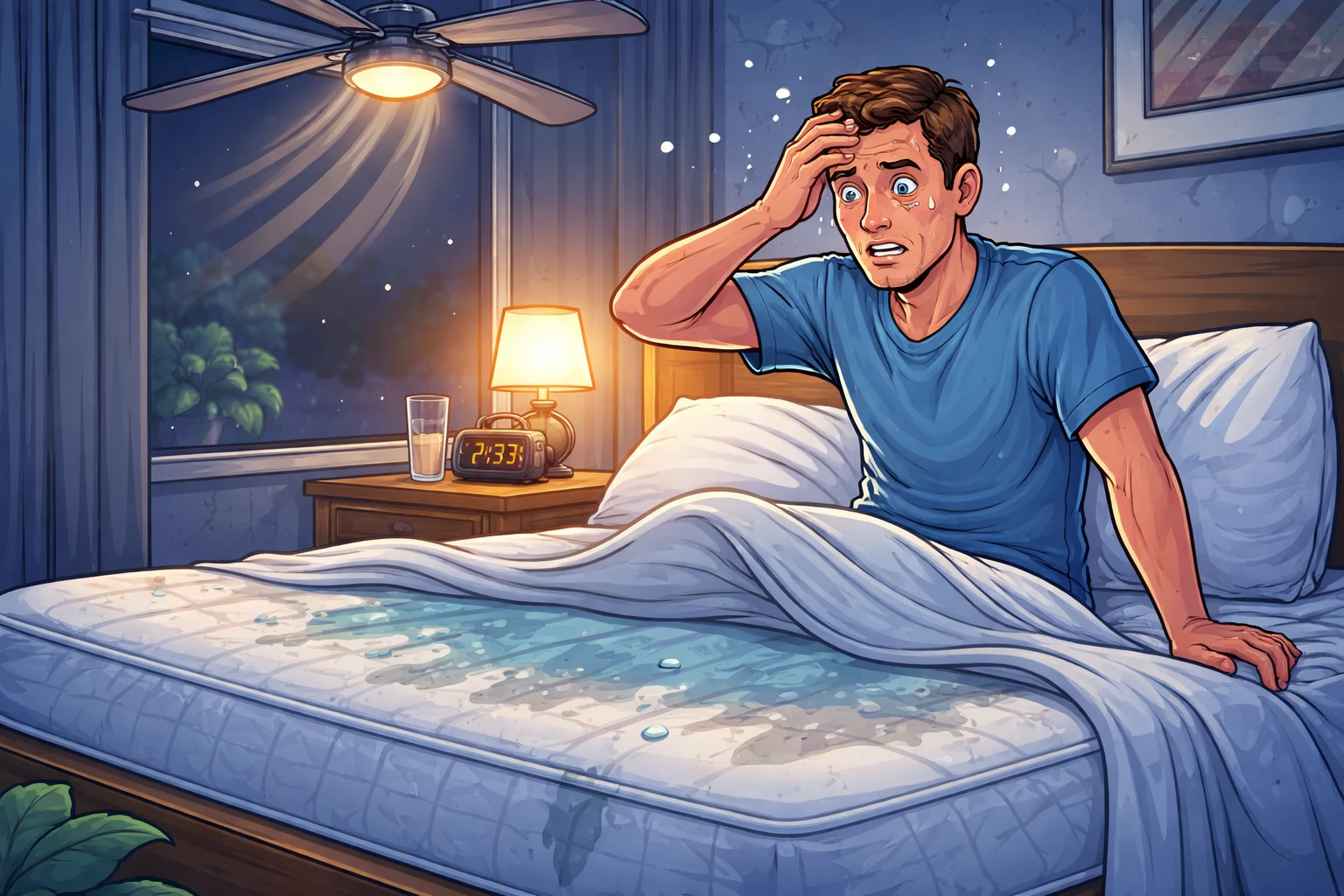
If you regularly wake up drenched in sweat, you’re not alone—and the problem may not be entirely medical. While hormonal shifts, medications, and illness can all trigger night sweats, one of the most overlooked culprits is sleeping on the wrong mattress. The materials beneath you play a surprisingly large role…
View More
Call one of our sleep experts to place an order.
Business Hours
- Monday - Friday 8:00am - 6:00pm PST
- Saturday - Sunday 10:00am - 6:00pm PST