



What Is Sleep Quality?
You slept for eight hours, yet you woke up exhausted. Sound familiar? That frustrating disconnect between time in bed and how rested you feel comes down to one thing: sleep quality.
In this guide, we break down exactly what sleep quality means, why it matters for your health, and how to improve it. As specialists in orthopedic sleep systems for over 30 years, Airpedic understands how proper support and positioning transform the way you rest. By the end, you’ll know exactly what’s standing between you and truly restorative sleep.
What Is Sleep Quality?
Sleep quality refers to how well your body and brain recover during the night. It’s not just about sleep duration—it’s about depth, continuity, and physical comfort from the moment you drift off until you wake.
High-quality sleep means moving smoothly through each sleep stage, including the deep sleep and REM sleep phases where physical repair and memory consolidation happen. It means staying asleep without constant disruptions. And it means waking up without stiffness, soreness, or lingering fatigue.
Three physical factors play the biggest role in determining whether your sleep is truly restorative:
Spinal alignment. When your spine maintains its natural curve throughout the night, muscles can fully relax instead of straining to compensate for poor positioning.
Pressure relief. Adequate cushioning at your shoulders, hips, and other contact points prevents the discomfort that causes tossing and turning.
Proper breathing. Unobstructed airways allow for steady oxygen flow, reducing sleep disturbances from snoring or obstructive sleep apnea.
Here’s where many people run into trouble: traditional mattresses often sag over time, creating what sleep researchers call the “hammock effect.” Your midsection sinks while your shoulders and legs remain elevated, throwing your spine out of alignment. The result is muscle tension, disrupted sleep cycles, and that frustrating morning stiffness.
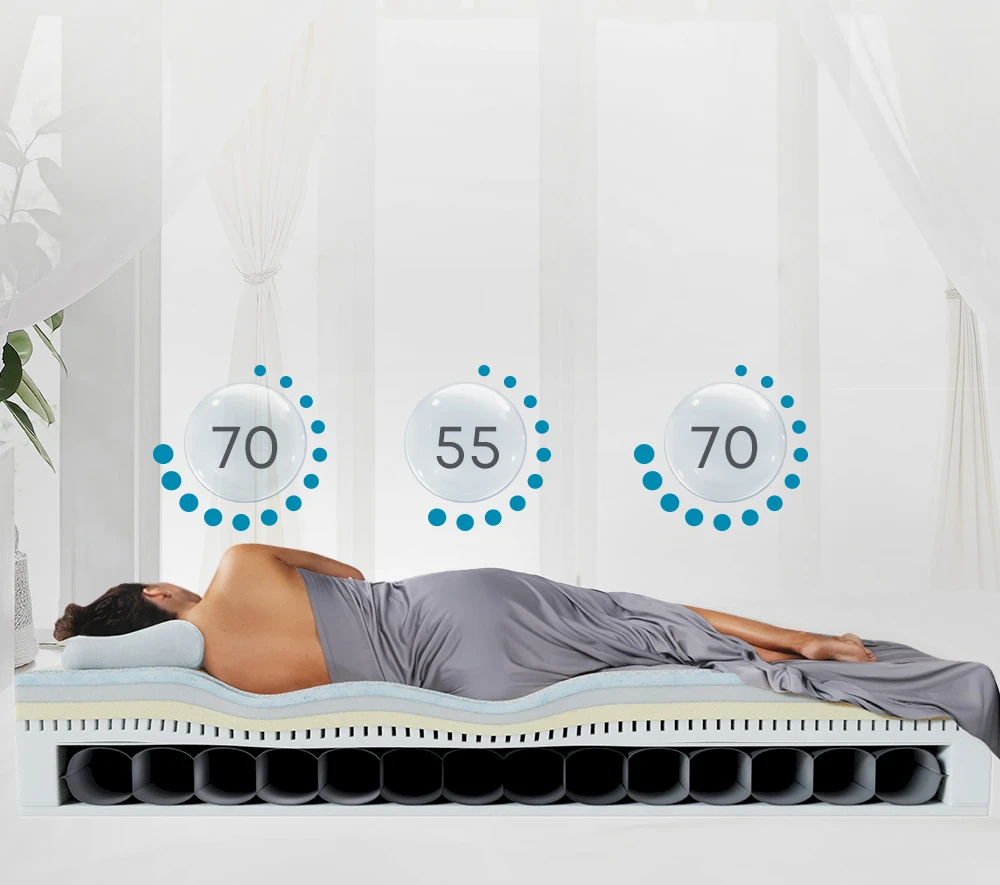
The solution lies in consistent, customizable support. Airpedic’s Tri-Zone, multi-chamber air system addresses this problem directly by allowing independent firmness adjustments for your shoulders, lumbar region, and legs. Instead of forcing your body to conform to a one-size-fits-all surface, the mattress conforms to you.
How Sleep Quality Impacts Daily Well-Being
Poor sleep quality doesn’t stay confined to the bedroom. It follows you into every waking hour.
Physical Effects
When sleep is disrupted, your body misses critical repair time. Muscles don’t fully recover from daily activity. Inflammation increases. Pain sensitivity heightens. If you already deal with back issues or joint discomfort, inadequate sleep makes everything worse—and the resulting pain further disrupts your sleep, creating a frustrating cycle.
Sleep deprivation also compromises your immune function. Research consistently shows that people who experience poor sleep quality get sick more often and recover more slowly. Your body simply can’t mount an effective defense when it’s running on empty.
Cognitive and Emotional Effects
The mental toll of disrupted sleep is equally significant. Daytime sleepiness impairs concentration, slows reaction times, and reduces productivity. Decision-making suffers. Mood becomes unstable—you’re more irritable, more anxious, more prone to feeling overwhelmed by ordinary stressors.
Over time, chronic poor sleep quality contributes to serious health concerns, including metabolic dysfunction, cardiovascular strain, and mental health challenges. The National Sleep Foundation emphasizes that healthy sleep isn’t a luxury—it’s a biological necessity.
Why Restorative Sleep Matters
When you consistently achieve deep, restorative sleep, the benefits compound. Your stress resilience improves. Your body maintains healthier metabolic processes. Chronic discomfort becomes more manageable because your muscles and joints actually have time to recover.
Perhaps most importantly, maintaining proper spinal alignment night after night helps prevent the gradual development of back problems. Good sleep quality isn’t just about feeling better tomorrow—it’s about protecting your long-term health.
How to Improve Sleep Quality
Improving sleep quality starts with addressing the physical foundation of your rest: what you’re sleeping on and how you’re positioned.
Optimize Your Orthopedic Support
The most effective path to better sleep is ensuring your mattress provides personalized support where you need it most. This is where adjustable air mattresses with multi-zone technology excel.
A 6-zone system—three zones per side—allows you to fine-tune firmness for different body regions independently. Your shoulders might need softer support to prevent pressure buildup, while your lumbar region requires firmer support to maintain spinal alignment. With up to 84 individualized comfort settings, you can dial in exactly the right balance.
For anyone dealing with back pain, this personalized lumbar support is particularly valuable. Instead of sinking into a sagging mattress or lying rigid on an overly firm surface, you get targeted support that keeps your spine properly aligned throughout the night.
Leverage Adjustable Bases for Targeted Relief
Pairing a custom comfort mattress with an adjustable bed base opens up additional ways to enhance sleep quality.
Zero Gravity position elevates both your head and feet, distributing body weight more evenly. This reduces pressure on your spine and joints, improves circulation, and creates a sensation of weightlessness that promotes faster, deeper relaxation.
Anti-Snore position raises your upper body just enough to keep airways open. If snoring or mild sleep apnea disrupts your rest (or your partner’s), this simple adjustment can make a significant difference in sleep continuity.
Elevated leg position improves blood flow back toward the heart, reducing swelling in the feet and ankles. It’s particularly helpful for anyone who spends long hours standing or sitting during the day.
Head elevation also helps with acid reflux by using gravity to keep stomach acid where it belongs. If heartburn regularly wakes you at night, sleeping with your head slightly raised can provide meaningful relief.
These positions aren’t just about comfort in the moment—they address underlying physical issues that fragment sleep and prevent you from reaching the deeper, more restorative sleep stages.
Environmental Factors That Influence Sleep Quality
Even the best mattress can’t compensate for a sleep environment that works against you. Temperature and motion are two factors worth addressing.
Temperature Regulation and Airflow
Your body temperature naturally drops as you fall asleep, and maintaining a cool sleeping surface helps facilitate this process. When mattresses trap heat, you end up tossing and turning as your body struggles to regulate its temperature.
Effective cooling requires more than surface-level solutions. Airpedic’s patented Passive Airflow Transfer System combines surface perforations with underlying channels to actively move body heat away while circulating cooler air through the mattress. This creates genuine airflow rather than just the appearance of breathability.
Materials matter too. Natural latex and gel-infused memory foam both offer superior heat dissipation compared to traditional high-density foams. When shopping for any mattress, look for CertiPUR-US certified foams that meet standards for both performance and safety.
Motion Isolation
If you share a bed with a partner who moves frequently, tosses and turns, or operates on a different sleep schedule, motion transfer becomes a significant sleep quality issue. Every time they shift position, the movement travels through the mattress and potentially wakes you.
Split King configurations solve this problem elegantly by using two independent Twin XL mattresses side by side. Each sleeper gets their own surface with their own firmness settings, and movement on one side stays isolated from the other.
For couples who prefer a unified mattress surface, look for designs with Independent I-Beam Support and dual-side adjustability. These features minimize motion transfer while still allowing each person to customize their comfort settings.
Choosing the Right Mattress and Accessories for Better Sleep Quality
When evaluating mattresses for sleep quality improvement, consider these factors:
Customizable support zones. Look for multi-zone systems that allow independent firmness adjustments for different body regions. The ability to provide targeted lumbar support separate from shoulder and leg support makes a meaningful difference in spinal alignment.
Quality materials. Premium components like medical-grade urethane air chambers, CertiPUR-US certified foams, and natural latex provide both durability and performance. USA-crafted products often meet higher manufacturing standards.
Cooling capability. Genuine airflow systems outperform mattresses that rely solely on gel infusions or surface treatments. Look for designs with integrated channels that move air rather than just conducting heat.
Compatibility with adjustable bases. To take full advantage of therapeutic positioning, ensure your mattress works seamlessly with adjustable bed frames.
Supportive Accessories
Your mattress does most of the work, but accessories contribute to overall sleep quality:
Pillows should maintain proper neck alignment without forcing your head too far forward or letting it fall back. Shredded memory foam and natural shredded latex pillows allow you to adjust loft and firmness. Cooling gel fiber helps regulate temperature.
Bedding affects both comfort and cleanliness. Breathable materials like natural bamboo or organic cotton sheets promote airflow and wick moisture. An organic mattress protector adds a layer of protection without compromising breathability.
Take the Next Step Toward Better Sleep
Sleep quality depends on three things: proper spinal alignment, adequate support, and an environment that promotes uninterrupted rest. When any of these elements falls short, you feel it in every aspect of your daily life.
The good news is that sleep quality can be improved. It starts with honestly evaluating your current setup. Does your mattress maintain your spinal alignment, or does it sag and create pressure points? Do you wake up with stiffness or pain? Does heat buildup or partner movement regularly disturb your rest?
If you’re ready to experience what truly restorative sleep feels like, explore Airpedic’s orthopedic mattress collection. Our multi-zone adjustable air systems, premium materials, and compatibility with adjustable bases give you the tools to customize your sleep experience and wake up genuinely refreshed.


Experience a new degree of personalized sleep.


Find the Airpedic® that’s just right for your sleep needs.

Buy with monthly payments.
Get an Airpedic Mattress starting as low as $84/mo
or interest-free.
Read More About Healthy Sleep

Every night, your body cycles through distinct sleep stages—and deep sleep is where real restoration happens. During these slow-wave phases, your muscles repair, your immune system strengthens, and your brain consolidates memories. Yet many people struggle to reach and maintain deep sleep, often without realizing that their mattress plays a…
If you’ve been researching adjustable mattresses, you’ve probably come across the term “multi chamber” and wondered what makes this design different from a standard air mattress or traditional mattress. Understanding how multi chamber technology works can help you make a smarter bed choice—especially if you’re dealing with back pain, sharing…
View More
Call one of our sleep experts to place an order.
Business Hours
- Monday - Friday 8:00am - 6:00pm PST
- Saturday - Sunday 10:00am - 6:00pm PST