Best Bed for Acid Reflux

Sleep Comfortably Without the Burn

Acid reflux affects millions of people, and not just during waking hours. For many, nighttime symptoms can make restful sleep seem a nightly struggle, with the burning sensation, regurgitation, and discomfort of gastroesophageal reflux disease (GERD) often worsening when lying flat. Luckily, the right sleep setup can provide significant relief from acid reflux symptoms and help you rest peacefully without the burn.

As a leader in orthopedic sleep solutions with over two decades of experience, Airpedic™ understands how proper bed positioning and support can dramatically reduce nighttime acid reflux. This comprehensive guide examines the key factors to help you choose the best bed for acid reflux relief.

How Does Sleeping Position Affect Acid Reflux?

First, let’s explore the relationship between sleep posture and acid reflux. Both sleep position and sleep angle directly impact how stomach acid moves within your digestive system during the night, making bed choice especially important to those who experience nighttime heartburn and chronic acid reflux.

When lying flat, gravity is less able to help keep stomach acid and contents where they belong. Instead, lying down makes it more likely for stomach acid to flow backward into the esophagus, causing the burning sensation and discomfort characteristic of acid reflux.

This effect can be exacerbated by sleeping on your back, as it allows stomach acid to pool and potentially move closer to and up the esophagus. Right-sided sleeping presents similar anatomical challenges because it positions the stomach above the esophageal opening, making acid backflow more likely.

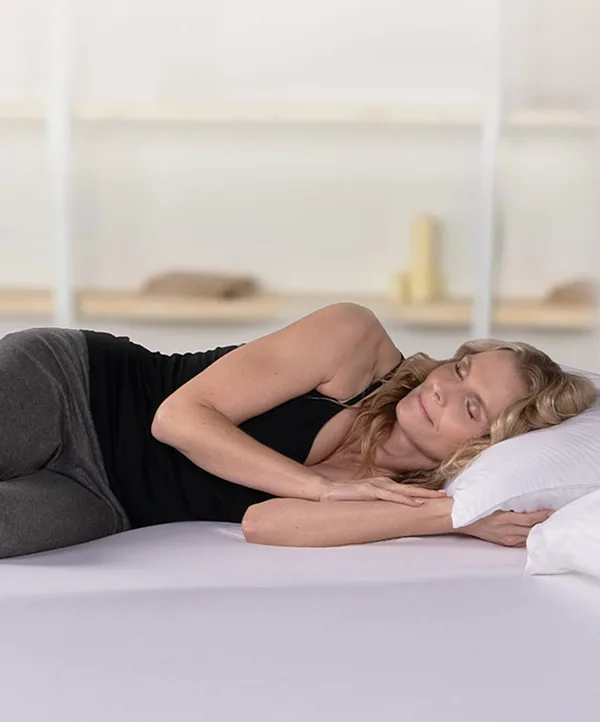
Conversely, left-side sleeping is the best sleeping position for individuals with acid reflux compared to right-side or back sleeping. When you sleep on your left side, your stomach is positioned below your esophagus, making it more difficult for acid to travel upward and allowing your stomach’s connection to the esophagus to work more favorably.

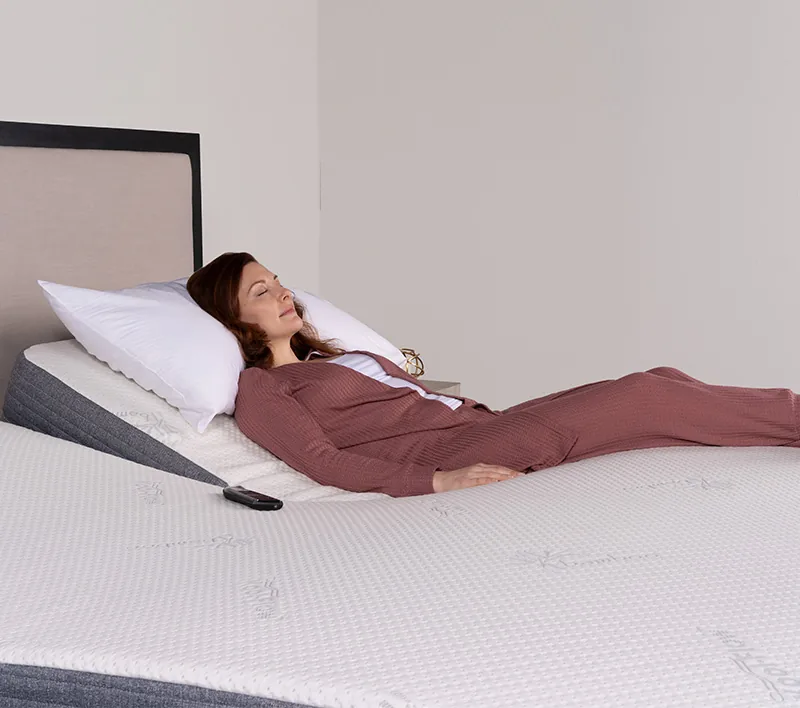
Additionally, by working with gravity, bed elevation helps reduce acid reflux, as well as related symptoms such as heartburn, coughing, and choking episodes. Research consistently shows that elevating the head of the bed by as little as 6-8 inches provides effective relief for most acid reflux sufferers. However, some individuals may require greater elevation for optimal comfort. The key is finding the right angle that gives relief without causing discomfort in other areas, such as the neck or lower back.

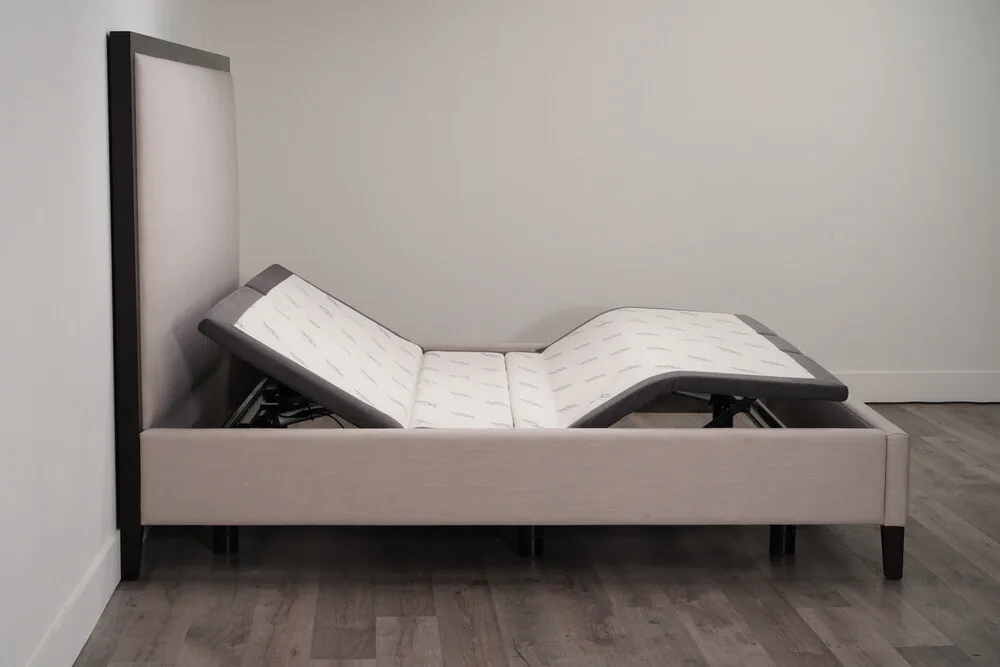
Adjustable Bed with Upper-Body Incline

Given the importance of sleep position and sleep angle for acid reflux relief, it’s no surprise that an adjustable bed is the most effective sleep solution to ease acid reflux symptoms. These sophisticated sleep systems provide the customization needed to address individual variations in reflux severity and comfort preferences.

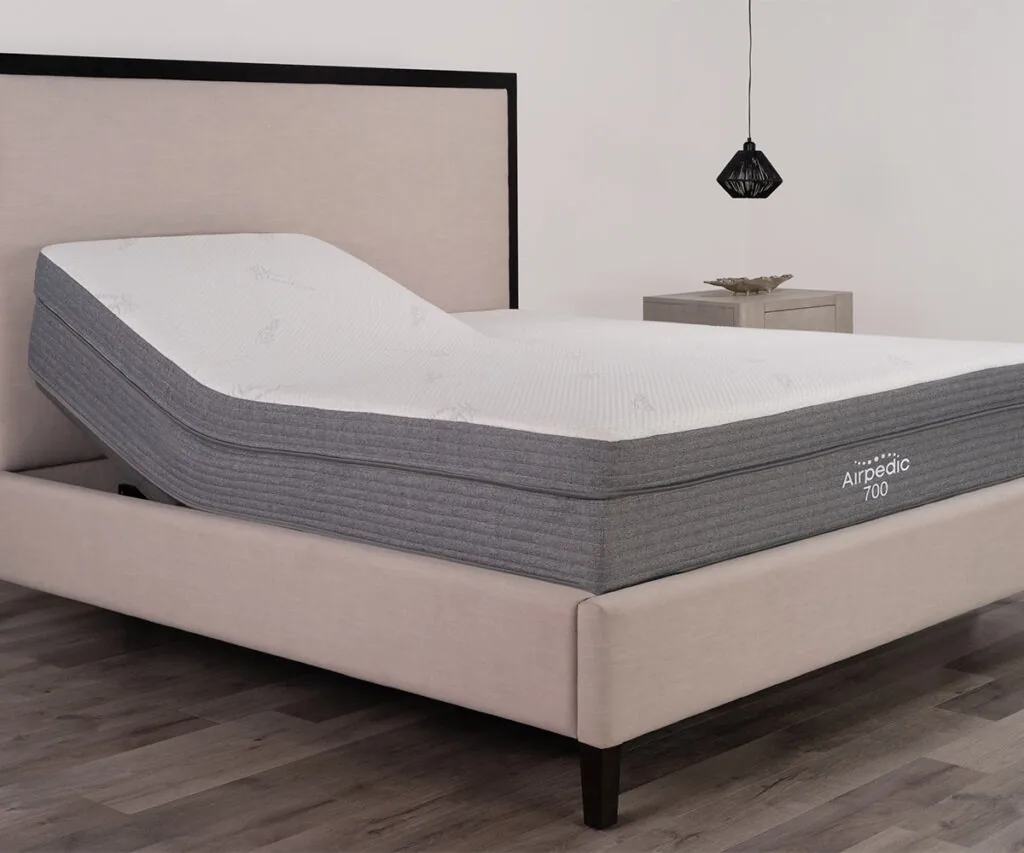
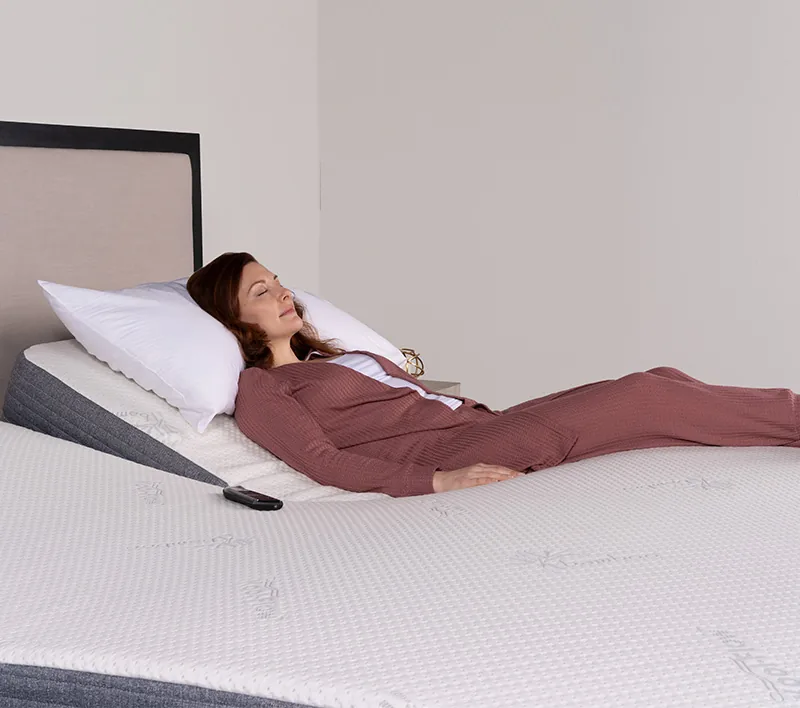
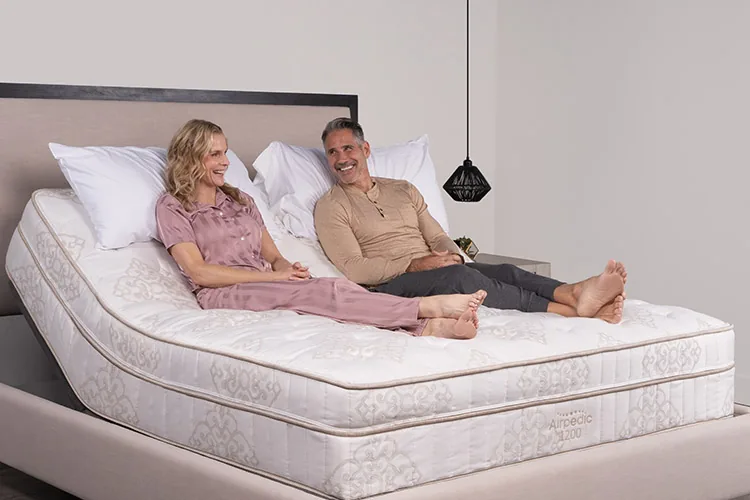
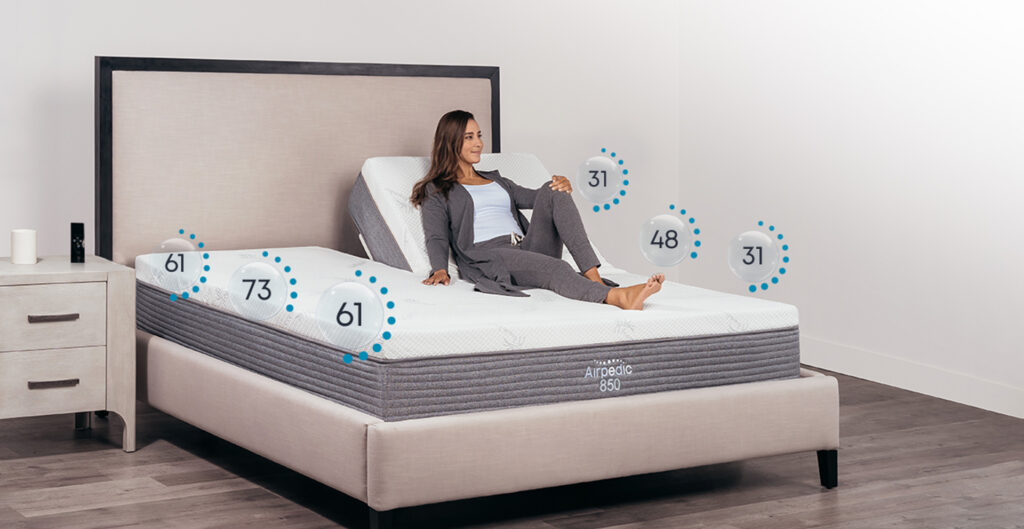
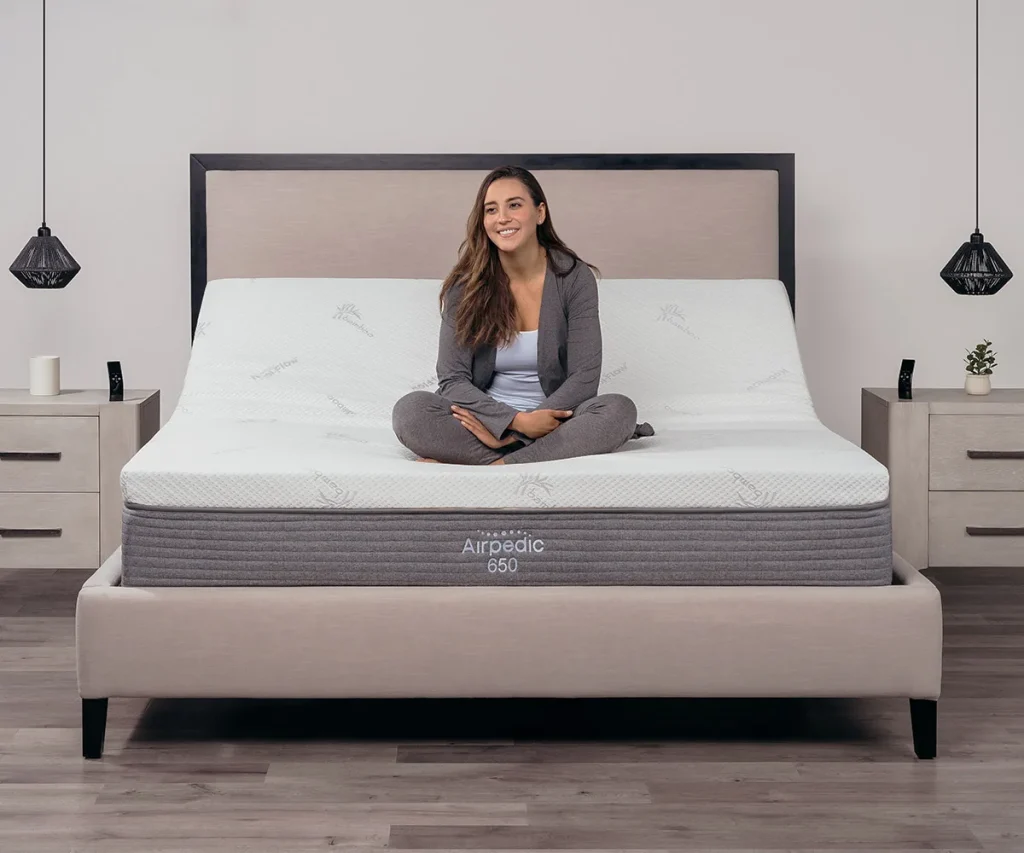
Adjustable bed bases make it easy to find anti-reflux sleep positions, allowing you to raise your upper body to the exact angle that provides relief. Unlike static solutions, adjustable beds let you fine-tune your position throughout the night, accommodating changes in comfort needs or symptom severity.

Inclining the upper body effectively minimizes acid backflow by working with gravity to keep stomach contents in place. Most adjustable beds offer elevation ranges from flat to 60 degrees or more, giving you complete control over your sleep position. This range ensures you can find the sweet spot that provides relief from reflux without causing discomfort in your neck, shoulders, or back.

The customizable elevation is particularly valuable because individual needs vary significantly. Some people find relief with just a few degrees of elevation, while others may need 30 degrees or more. Having the ability to adjust your position allows you to respond to factors that might affect your reflux, such as meal timing, medication schedules, or stress levels.

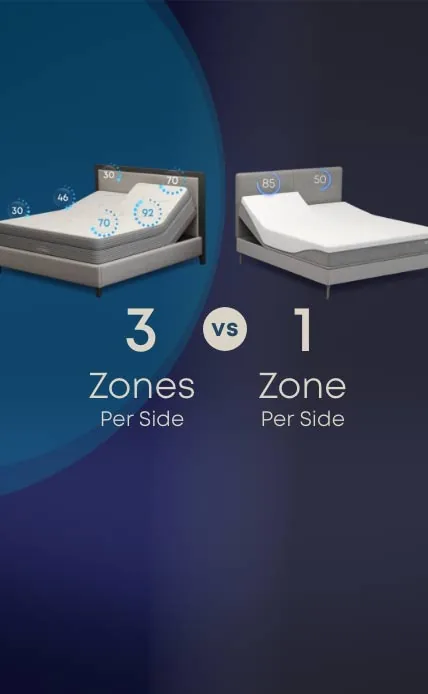
Adjustable beds offer customized adjustability, allowing independent adjustment of both head and foot positions as well as both sides of the bed. As such, adjustable bed bases address sleep-related issues beyond reflux, including snoring, sleep apnea, back pain, and circulation problems. Slight foot elevation can improve circulation and reduce pressure on your lower back while maintaining the upper body elevation necessary for reflux relief. This multi-benefit approach makes them valuable investments in overall sleep health and quality of life.

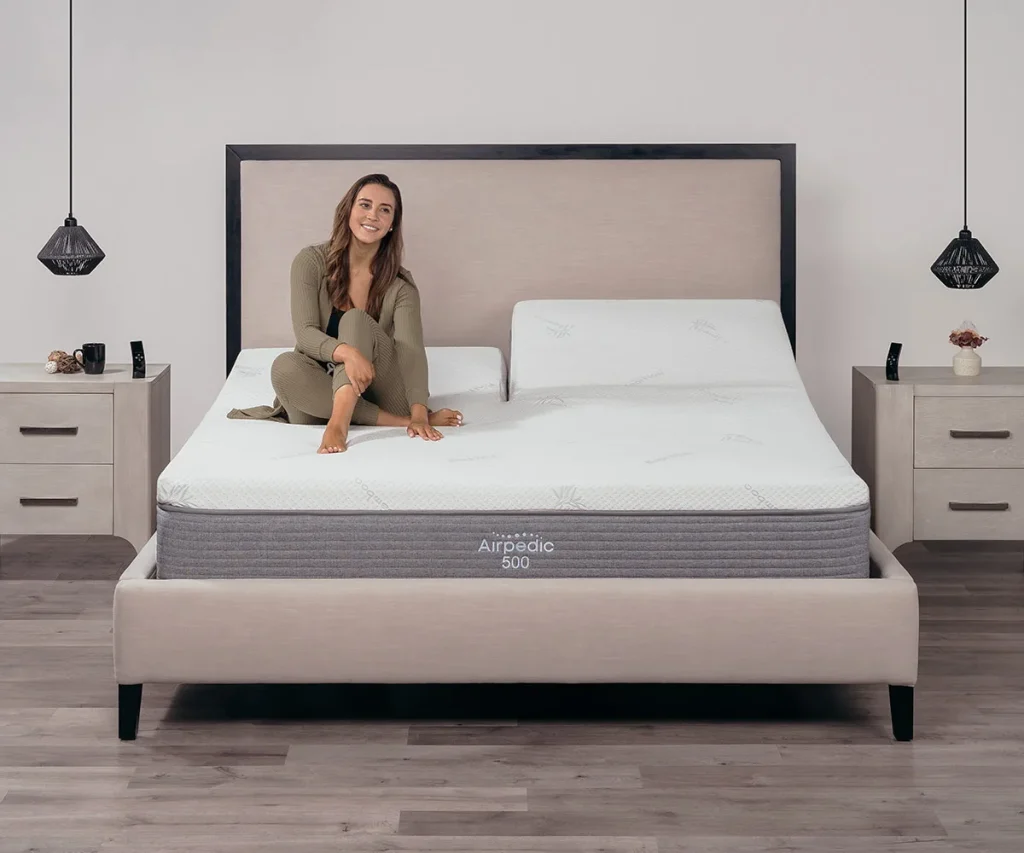
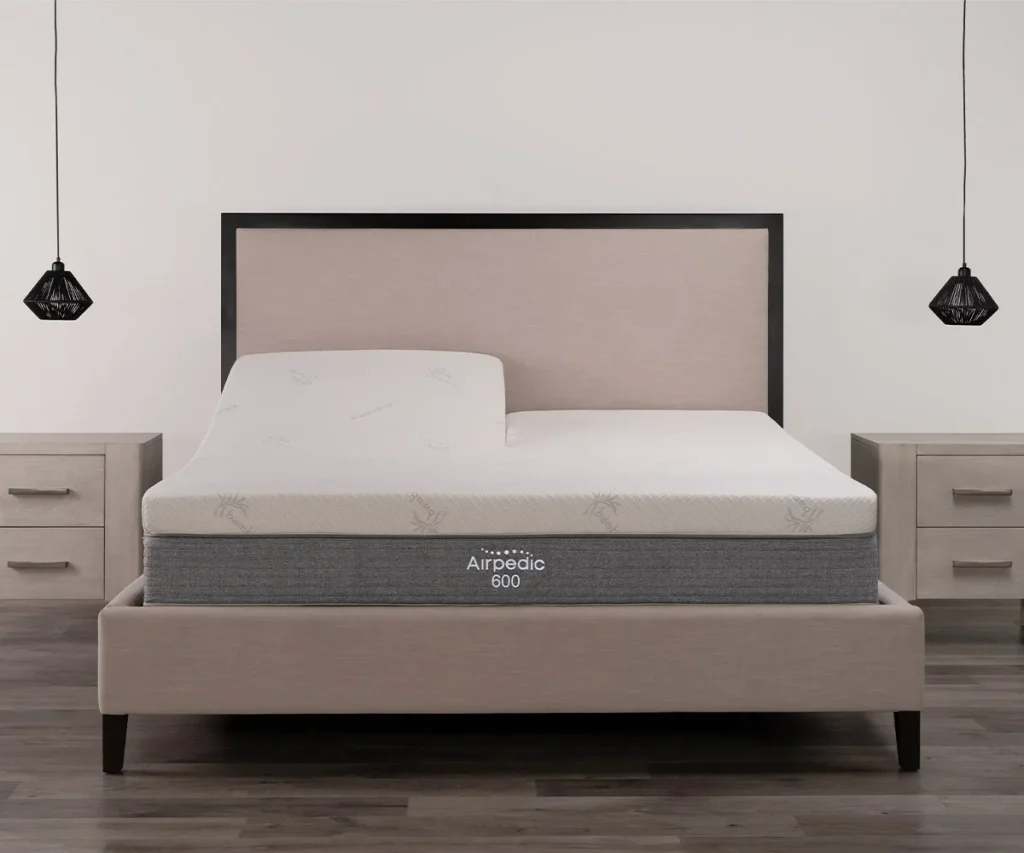
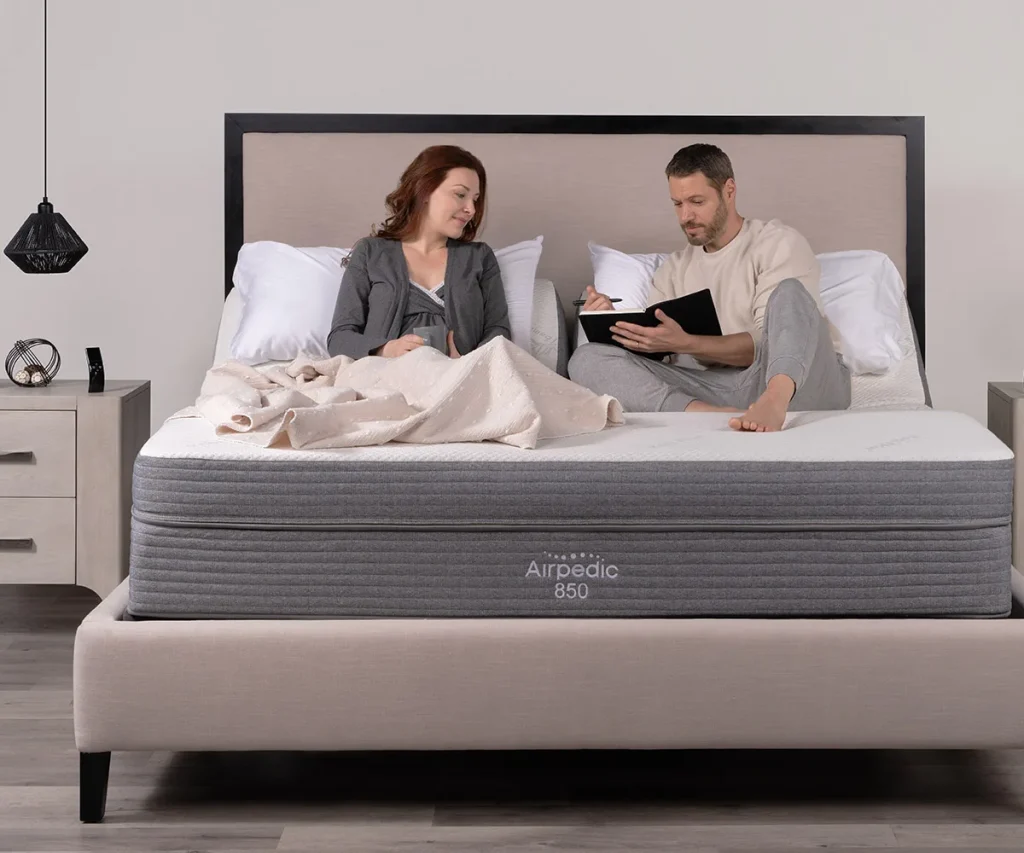
Of course, dual adjustability is particularly beneficial for couples with different health or sleep concerns. Split adjustable beds enable each person to customize their side independently, ensuring that both partners can sleep comfortably without compromising their individual preferences and needs.

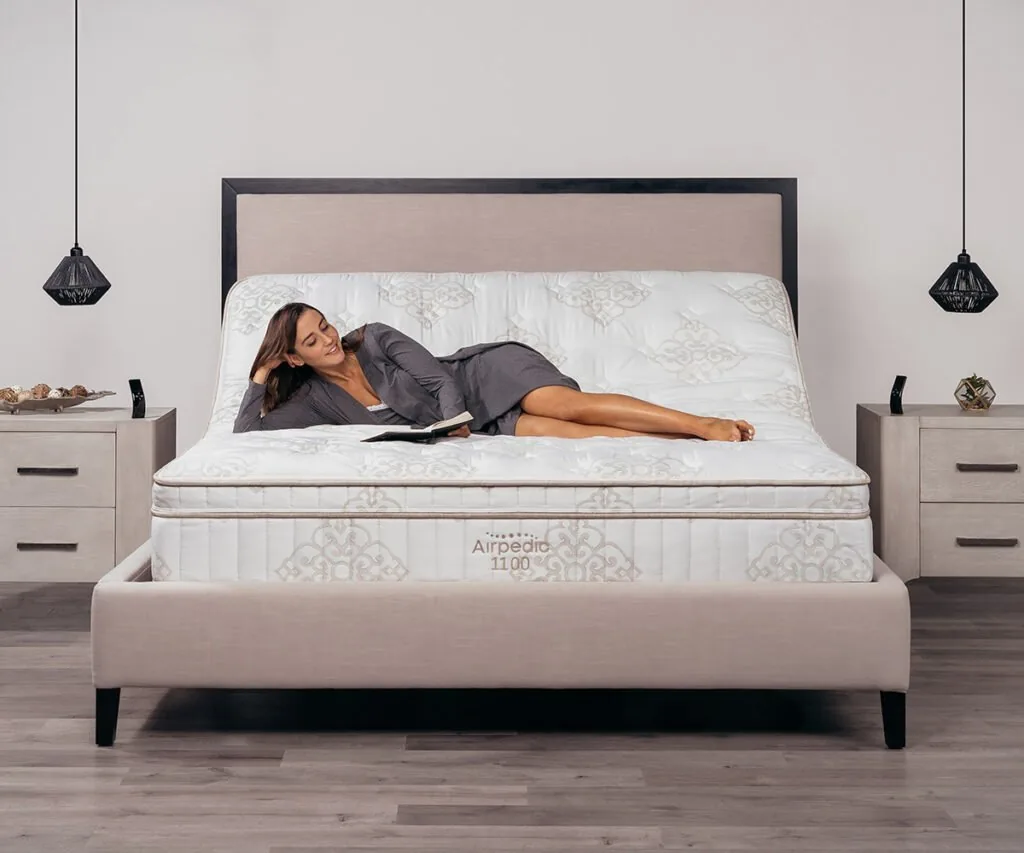
AirPedic’s premium adjustable bases offer all these benefits with whisper-quiet motors, programmable memory positions, and wireless remote controls for effortless adjustment throughout the night.

Air Beds with Adjustable Firmness

Air beds with adjustable firmness offer unique advantages for acid reflux sufferers, particularly when used in conjunction with upper body elevation.

Customizable firmness provides comfort and support in elevated positions. Sleeping with your head elevated not only feels different from flat sleeping, but it also requires proper support to prevent neck discomfort and sinking into or sliding down the bed. Firm settings in the upper and lumbar portions of an adjustable air bed can provide the structural support needed to maintain a comfortable elevated position throughout the night.

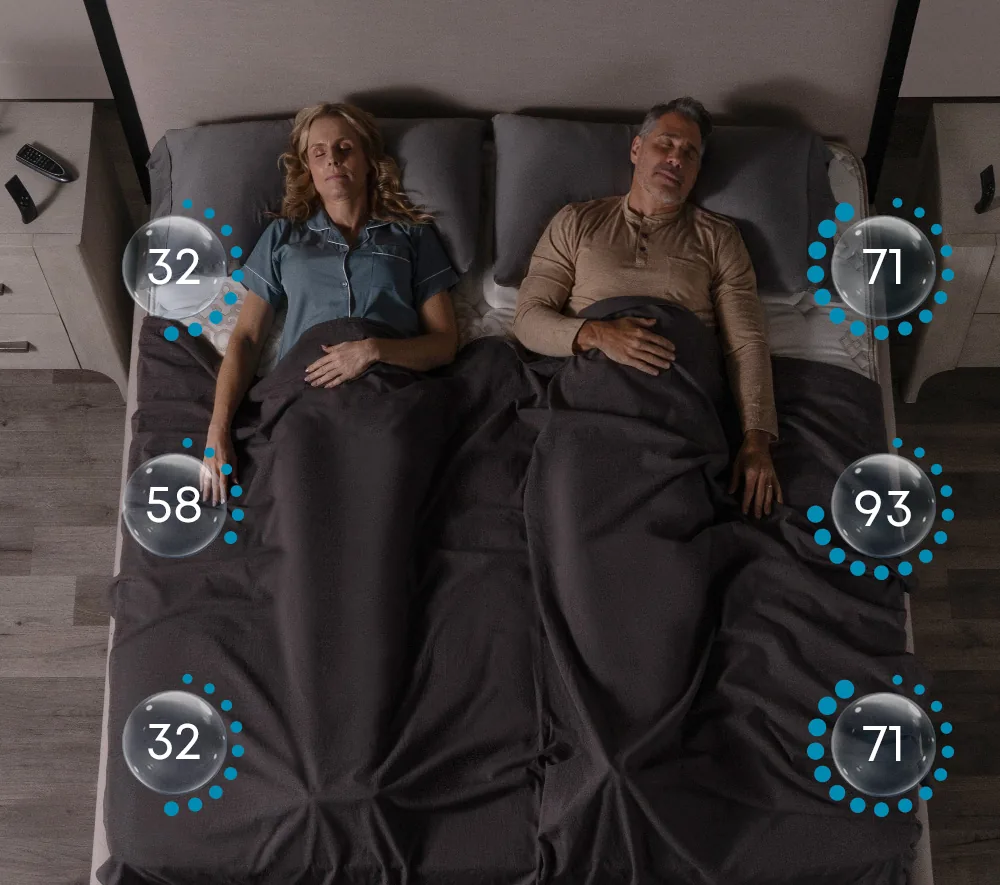
Dual-zone air beds offer particular advantages for couples who suffer from acid reflux. Each partner can adjust one side to the optimal firmness level, ensuring that the person with acid reflux gets the support they need for a comfortable sleep. Meanwhile, partners maintain their preferred comfort levels simultaneously.

Additionally, adjustable air beds help maintain proper posture while providing pressure relief that might force position changes during the night. This is particularly important because acid reflux sufferers often spend more extended periods in specific positions to maintain symptom relief. When you’re comfortable and well-supported, you’re more likely to maintain the elevated position that provides acid reflux relief rather than unconsciously shifting to positions that might trigger symptoms.

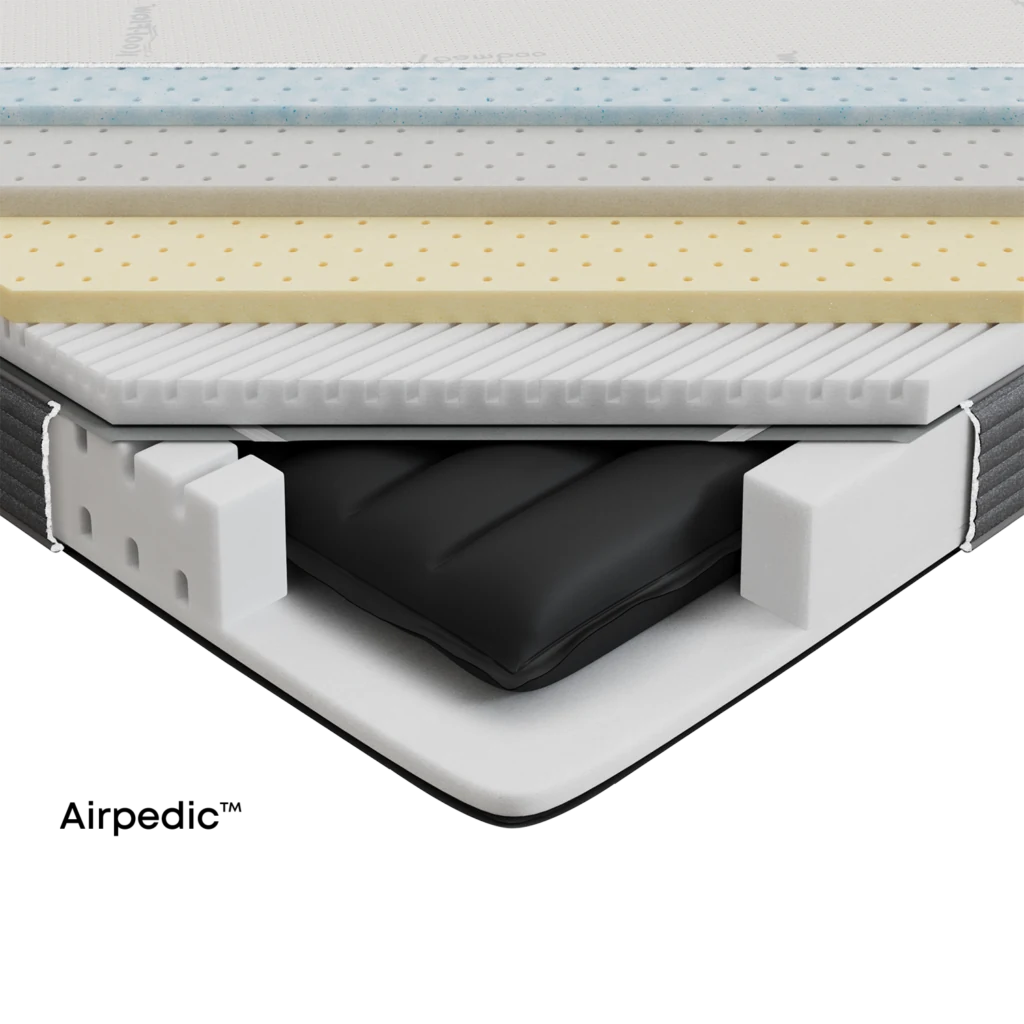
The contouring properties of quality air beds, particularly those with comfort layers above the air chambers, provide the pressure relief needed for comfortable extended sleeping in anti-reflux sleep positions. This combination of adjustable support and comfort helps ensure that your acid reflux solution doesn’t create new discomfort issues.

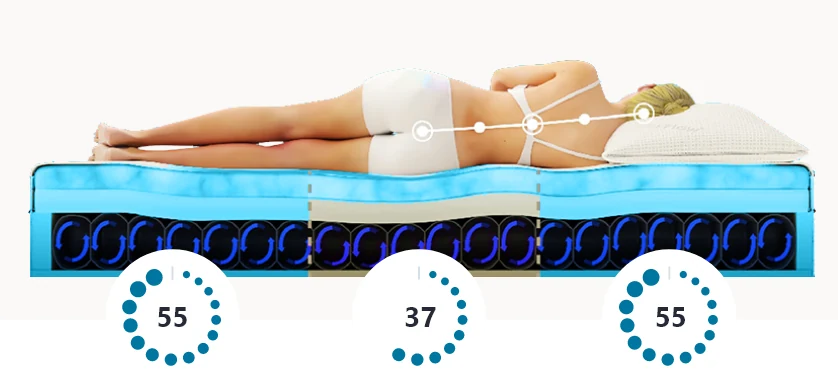
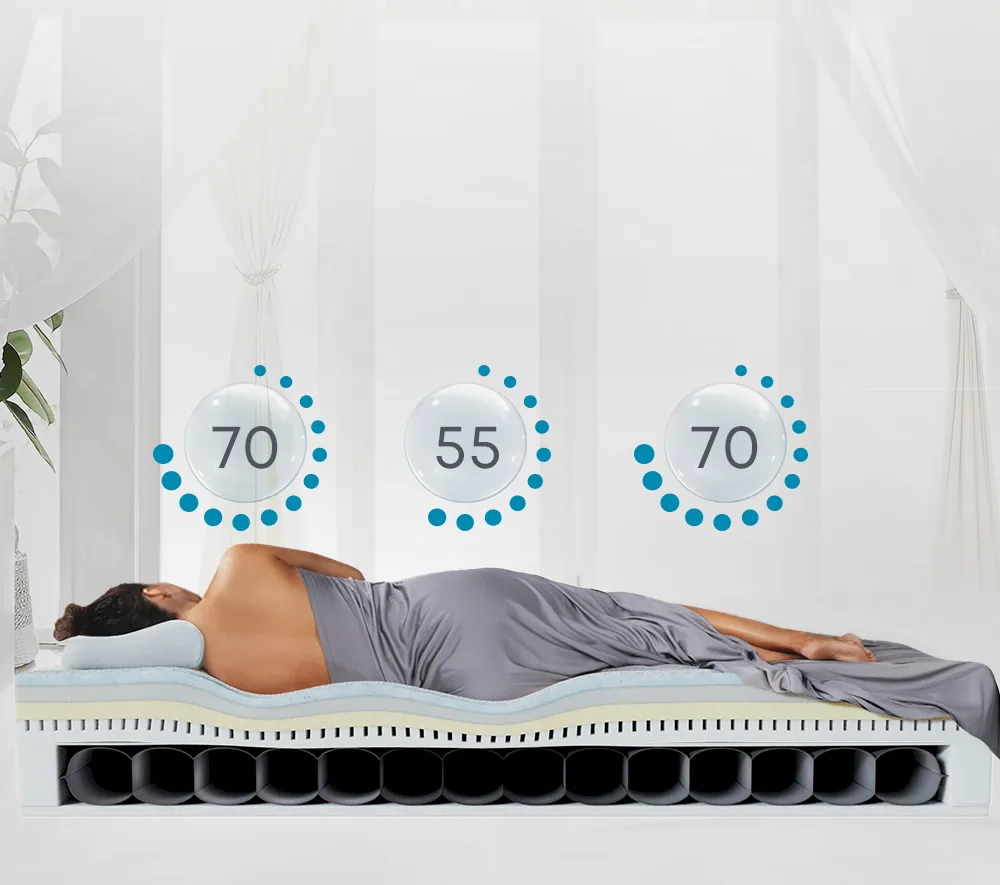
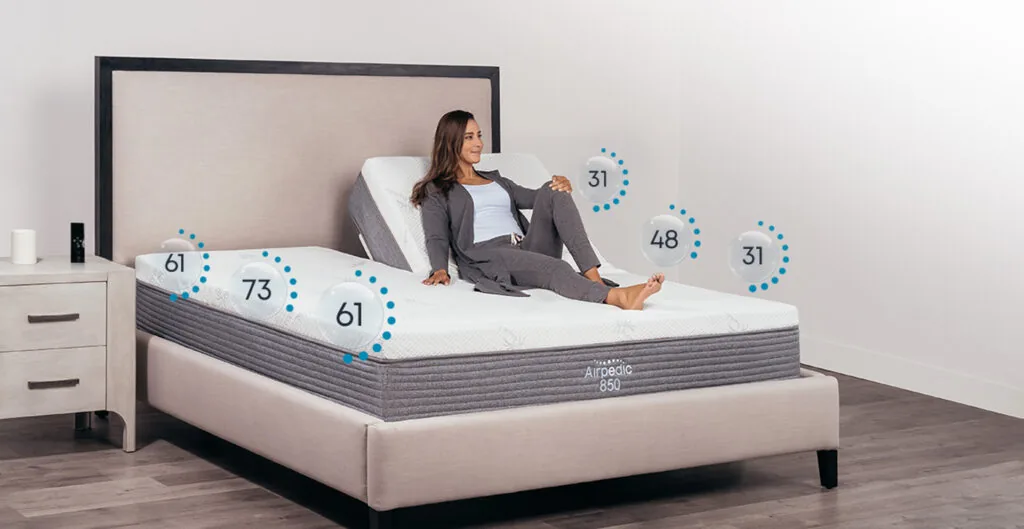
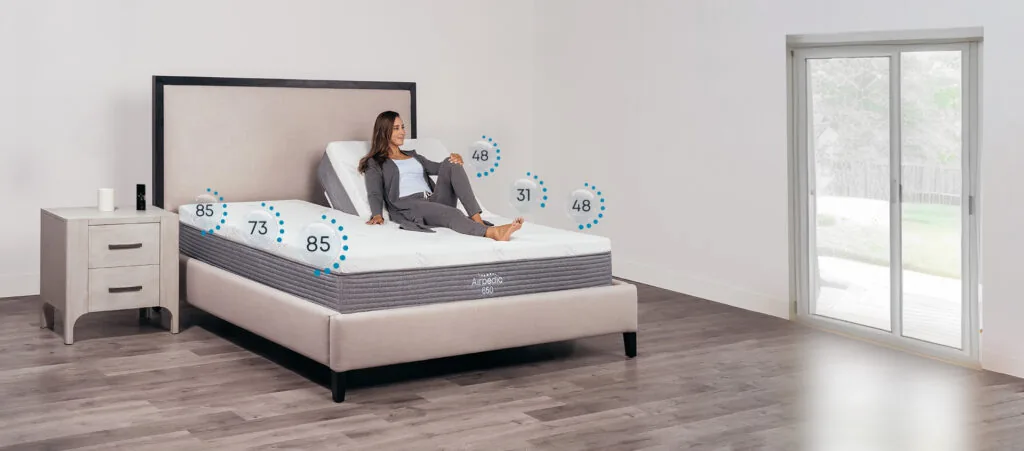
AirPedic’s patented 6-zone multi-chamber technology allows precise firmness adjustment across different body regions, enabling you to optimize support for elevated sleeping while maintaining comfort from head to toe.

Adjustable Bed Frame with Compatible Mattress

Given how critical head elevation is to nighttime reflux symptom relief, an adjustable bed can make all the difference. However, an adjustable base must be paired with a compatible mattress to maximize the performance of both components.

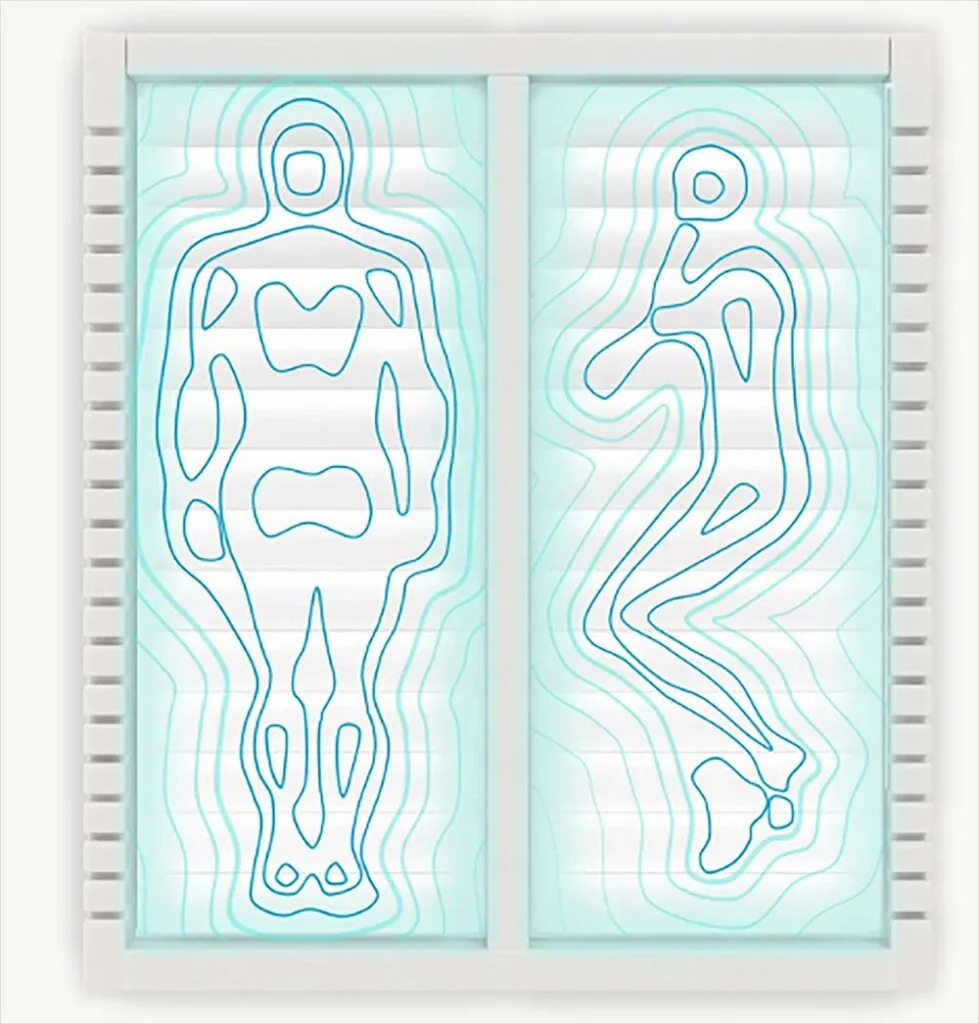
Pairing frames with reflux-friendly mattresses requires careful consideration of mattress flexibility and construction. The mattress type plays a crucial role in how well your sleep system performs. Memory foam mattresses work well with adjustable frames because they’re designed to flex and conform to changing positions. The foam’s ability to bend and adapt means it won’t resist the frame’s movement or create uncomfortable pressure points at bending points.

Latex mattresses also pair well with adjustable frames, offering natural flexibility and resilience that accommodates elevation changes while providing responsive support. The natural bounce of latex helps prevent the feeling of being “stuck” in position while maintaining the structural integrity needed for proper support.

Hybrid mattresses can be used with adjustable frames, although performance varies depending on the specific construction. Those with individually wrapped coils and flexible comfort layers typically adapt better to frame movements than traditional innerspring models. However, some hybrid designs may not flex as easily as all-foam options.

Innerspring mattresses are generally less ideal for adjustable frames because the rigid coil construction can resist bending, potentially creating uncomfortable pressure points or reducing the frame’s effectiveness in providing proper elevation.

When choosing an adjustable frame, quiet operation and motor strength are crucial factors to consider. Quality frames feature whisper-quiet motors that won’t disturb your sleep or your partner’s when making adjustments to your position. This quiet operation is particularly important for acid reflux sufferers who may need to adjust their position during the night in response to symptoms.

Adequate lift strength ensures the frame can support both the mattress weight and occupants while maintaining stable elevation throughout the night. Look for frames with weight capacities that exceed your needs to ensure reliable performance and longevity.

Wedge-Based Mattress System

For budget-conscious consumers or those not ready to invest in a complete adjustable bed system, a wedge pillow elevation system is an affordable reflux solution that offers many of the benefits of adjustable beds without the higher cost.

Mattress wedges are designed to elevate the upper portion of your body, creating the incline needed to prevent acid backflow. These systems can be particularly effective for people with mild to moderate acid reflux who don’t require the extensive adjustability of complete adjustable bed systems.

Wedges simulate head elevation by creating a gradual incline from your waist to your head, working with gravity to keep stomach contents in place. While they don’t offer the precise adjustability of motorized systems, high-quality wedges can provide consistent and effective elevation for many individuals with acid reflux.

The affordability of wedge systems makes them an excellent starting point for people who want to test whether elevation helps their acid reflux before investing in more expensive solutions. They’re also portable, making them useful for travel or temporary sleeping arrangements.

Pairing a wedge system with specific mattresses for optimal comfort is crucial for its effectiveness. Memory foam mattresses work particularly well with wedges because they contour to the wedge shape while providing pressure relief. The foam’s conforming properties help eliminate gaps between your body and the wedge, ensuring consistent support and comfort.

Latex mattresses can also work well with wedges, offering responsive support that adapts to the wedge shape while maintaining proper spinal alignment. The natural resilience of latex helps prevent the feeling of sinking too deeply into the wedge.

However, rigid mattresses, such as traditional innerspring models, may not contour well to the shape of your body or the wedge, potentially creating pressure points or gaps that reduce comfort and effectiveness.

When using wedge systems, it’s essential to ensure a proper fit and stability to prevent sliding or shifting during the night, which could compromise effectiveness or create safety concerns.

How to Choose the Best Mattress for Acid Reflux

The optimal sleep solution for acid reflux requires careful consideration of several key factors that directly impact both symptom relief and sleep comfort.

Incline capability and mattress flexibility should be your primary considerations when choosing a bed for acid reflux relief. Look for systems that can provide the elevation angle you need for adequate symptom control. Most people find relief with 6-8 inches of elevation, but some sleepers require more or less, depending on their specific condition and personal comfort preferences.

The mattress material should be flexible enough to accommodate elevation without creating pressure points or resistance. Memory foam and latex typically offer the best combination of flexibility and support for elevated sleeping positions, while maintaining the comfort required for a restful night’s sleep.

Consider whether you need full adjustability or if a more straightforward solution, such as a wedge, might meet your needs. While wedge systems provide basic elevation at a more accessible price point, the higher cost of adjustable beds affords maximum customization and relief from various conditions that affect sleep, adapting to changing health and sleep needs over time.

Comfort, adjustability, and long-term support are crucial for ensuring your acid reflux solution is effective. Test different firmness settings and adjustment ranges to find the one that suits your body and sleep preferences best. Consider how your needs may evolve over time and whether your chosen system can adjust to those changes.

Look for durable materials and construction that will maintain their supportive properties over years of use. Quality adjustable beds and air mattresses are designed to provide consistent performance for decades, making them valuable long-term investments in your health and sleep quality.

Consider the needs of your sleep partner if you share a bed. Split systems that allow independent adjustment can ensure both partners sleep comfortably while addressing one person’s acid reflux needs.

And of course, choosing a manufacturer that offers responsive customer service and comprehensive warranties is also important, particularly for advanced adjustable bed systems.

Sleep Better with Airpedic™ Acid Reflux Solutions

While various bed types can help alleviate acid reflux, Airpedic’s comprehensive sleep systems are ideal to address the complex needs of individuals with acid reflux. Our combination of adjustable air mattresses and precision adjustable bed bases provides unparalleled customization for optimal positioning and support, whether you suffer from chronic acid reflux or other conditions that affect sleep quality.

Our patented 6-chamber multi-zone technology enables you to optimize firmness levels across various body regions, providing proper support for elevated sleeping positions while maintaining comfort throughout your entire body. The enhanced lumbar zone offers targeted support, helping to maintain proper spinal alignment even in elevated positions.

Airpedic’s adjustable bases feature whisper-quiet operation, programmable memory positions, and precision elevation control, making it effortless to find and maintain your optimal acid reflux relief position.

The durability and longevity of Airpedic™ systems ensure that your acid reflux relief solution will provide superior performance for years to come, adapting to changes in your condition, health, or comfort preferences over time.

Ready to experience comfortable, reflux-free sleep? Explore our mattresses and premium accessories to discover how Airpedic’s innovative technology can help you achieve the restful sleep you deserve. 

Contact Airpedic™ today for a FREE, no-obligation consultation with a sleep specialist and take the first step toward acid reflux relief and better sleep!

Should i use a wedge pillow or adjustable bed for acid reflux?

While wedge pillows are an affordable short-term solution, chronic acid reflux is best treated with the purchase of an adjustable bed.

What should I look for in an adjustable bed for acid reflux?

Adjustable beds with strong, quiet motors that can elevate your upper body by 6 to 8 inches are perfect for acid reflux. Many of them come with an Anti-Snore or Zero-Gravity preset.

Read More About Healthy Sleep

Latex vs Memory Foam Pillow – Which is Right for You?

Choosing the perfect pillow isn’t just about comfort – it’s also about sleep quality, which in turn affects your overall well-being. In the debate between latex and memory foam pillows, each option offers unique advantages depending on your sleep style, preferences, and needs. This expert guide breaks down everything you need to know to make an informed decision.

As trusted experts backed by decades of experience and extensive knowledge in premium sleep solutions, Airpedic™ understands how important the right pillow is to a good night’s sleep. Whether you’re struggling with neck pain, overheating at night, or simply seeking a long-lasting upgrade, this article will help you make a confident decision about which pillow is right for you.

What Are Latex Pillows?

Latex pillows are made from latex foam, derived either from natural rubber tree sap or synthesized from compounds like styrene-butadiene rubber. Latex foam is known for its bouncy, supportive feel. It retains its shape remarkably well and responds quickly to pressure, providing a lifting sensation that supports the head and neck without a “sinking” feeling. This same responsive technology that makes a latex mattress so durable and supportive translates directly to pillow construction.

Natural and Synthetic Latex

Harvested from Hevea brasiliensis trees, natural latex is considered a sustainable, biodegradable material. It is also processed using minimal chemicals, making it a favorite among those sensitive to synthetic additives or seeking an eco-conscious pillow choice. A natural latex pillow represents the purest form of this material, delivering exceptional breathability and longevity.

On the other hand, synthetic latex is created using petroleum-based ingredients. Synthetic blends tend to be more affordable and offer a more consistent feel, but they lack the durability and eco-advantages of natural latex.

Dunlop vs Talalay Latex

There are two primary types of latex used in pillows:

  • Dunlop Latex: Denser and heavier, Dunlop latex is more supportive and often preferred by those seeking firmer pillows.

     
  • Talalay Latex: More breathable and slightly softer, Talalay latex goes through a more complex processing method, resulting in a lighter, more airy structure.

Both types of latex pillows offer excellent resilience and support, but differ in firmness and airflow performance.

Pros and Cons of Latex Pillows

There are many pros of latex pillows, including:

  • Long-Lasting Durability: Latex pillows resist sagging and flattening and, as a result, can last 5–7 years.

     
  • Naturally Hypoallergenic: They resist dust mites, mold, and mildew, making them especially appealing to allergy sufferers.

     
  • Eco-Friendly Options: Natural latex is biodegradable and sustainably sourced.

     
  • Supportive and Responsive: The resilience of latex provides great head and neck alignment without excessive sinking.

On the flip side, the cons of latex pillows include:

  • Limited Firmness Options: Most latex pillows are on the firmer side of the spectrum, which may be too rigid or springy for some sleepers.

     
  • Higher Price Point: This is especially true for natural latex options, whether Talalay or Dunlop.

What is Memory Foam?

Memory foam is made from viscoelastic polyurethane foam, a type of material that softens with body heat and molds to the contours of your head and neck. Originally developed by NASA, this technology has been incorporated into modern mattresses and pillows due to its superior pressure-relieving properties. The same contouring benefits that make a memory foam mattress so popular for spinal alignment also provide exceptional support in pillow form.

Memory foam provides a “hugging” sensation, gradually adjusting to your body for personalized support. This makes it a favorite for side and back sleepers who need neck and shoulder pressure relief.

Standard vs Gel-Infused Memory Foam

Standard memory foam is known for its comfort but tends to retain heat. This is where gel-infused memory foam comes in. This version of memory foam is produced with added cooling gel beads or layers to help regulate temperature and prevent overheating. A gel memory foam pillow offers the latest innovation in temperature control technology for those who need extra cooling support.

While gel memory foam improves breathability and temperature regulation, anyone who identifies as a hot sleeper may still experience mild heat retention, especially in warm climates..

Pros and Cons of Memory Foam Pillows

The benefits of memory foam pillows include:

  • Excellent Pressure Relief: The moldability of memory foam cradles your head and neck, providing relief from pain and tension.

     
  • Range of Firmness: Memory foam is available in a range of firmness levels, from soft to extra firm.

     
  • Available in Many Variants: This versatile material is available in shredded foam, gel-infused, and contoured designs.

Conversely, some of the drawbacks of memory foam pillows are:

  • Heat Retention: Even with gel-infused options, some memory foam pillows feel warm.

     
  • Shorter Lifespan: Memory foam typically lasts 3–5 years before losing shape or firmness.

     
  • Chemical Smell: Some “off-gassing” may occur when a memory foam pillow is new, especially in lower-quality products.

Latex vs Memory Foam: Key Differences

The key differences between latex and memory foam pillows revolve around responsiveness, firmness and temperature regulation. 

With respect to responsiveness, latex offers a quicker response to pressure, while memory foam is slower to respond to position changes. However, the bouncier feel of latex pillows does not absorb motion as well as memory foam, making the latter preferable for couples or restless sleepers.

When it comes to firmness, latex pillows typically offer less range than memory foam, which comes in a variety of firmness levels. However, latex is a more breathable material, functioning as an effective cooling pillow option versus memory foam, which may retain more heat. The cooling benefits of gel-infused memory foam can mitigate heat retention and help regulate body temperature, but typically, latex is preferable for hot sleepers.

This handy reference table is a great tool to compare the key differences between latex and memory foam pillows at a glance:

FeatureLatex PillowMemory Foam Pillow
FeelBouncy, firm, responsiveSinking, contouring, slow to respond
SupportExcellent resilient support Great contouring and pressure relief
Heat RegulationNaturally cool and breathableTends to trap heat unless gel-infused
Durability5–7 years3–5 years
HypoallergenicNaturally hypoallergenic and resistant to dustMay contain chemicals; look for CertiPUR-US certification
CostHigher (especially natural latex)Generally more affordable
Eco-FriendlyBiodegradable and sustainable (natural latex)Petroleum-based, less environmentally friendly

Choosing the Right Pillow for You

It is clear that latex pillows and memory foam pillows have distinct attributes that appeal to various sleepers and sleep preferences. While both materials provide excellent support for the head and neck, they differ in terms of firmness, feel, motion isolation, and temperature regulation, among other factors. 

So, which pillow is right for you? Let’s summarize based on the performance measures that different sleepers seek.

Who Should Choose Latex Pillows?

  • Sleepers who prefer firm support and bounce.
  • Individuals with allergies or respiratory sensitivities.
  • Those who prefer natural, sustainable materials.
  • People who sleep hot and want better airflow.

Learn more about Airpedic’s premium latex pillow options like the Organic Shredded Latex Pillow or the Natural Molded Latex Pillow.

Who Should Choose Memory Foam Pillows?

  • Sleepers seeking contouring pressure relief, especially side and back sleepers.
  • Those who prefer a plusher feel and personalized shape.
  • Couples and restless sleepers who need motion isolation and absorption.
  • Individuals who don’t mind some heat and are okay with synthetic materials.

Airpedic’s Shredded Memory Foam Pillow with Cooling Gel Fiber provides all these benefits and more, including the commitment to quality and craftsmanship that is at the core of our brand.

Caring for Your Pillow

Regardless of the type of pillow you choose, it is essential to maintain and care for it properly to maximize its performance and lifespan. Here are some expert tips on caring for latex and memory foam pillows to keep them clean, supportive, and comfortable for years to come:

How to Care for Latex Pillows

  • Regularly fluff and reshape to maintain the pillow’s loft and shape.
  • Use a breathable pillowcase to prevent moisture buildup.
  • Spot clean with mild soap and water if necessary.

How to Care for Memory Foam Pillows

  • Use a protective pillowcase to avoid dust and stains.
  • Spot clean gently with a damp cloth and mild detergent.
  • Never machine wash or soak memory foam; it can break down its structure.

Will You Choose a Latex or Memory Foam Pillow? 

Choosing between a latex vs memory foam pillow comes down to your individual preferences for feel, support, and temperature. Latex offers durability, bounce, and coolness, making it ideal for hot sleepers or those who require firm support. Memory foam offers plush comfort, motion absorption, and body-contouring pressure relief, making it ideal for individuals with sensitive joints and backs. In addition, while natural latex appeals to eco-conscious consumers, memory foam offers a wider range of firmness options. 

Fortunately, when you are ready to make this important choice for your sleep quality and overall health, you can explore Airpedic’s premium collection of latex and memory foam pillows to find the one that is tailored to your needs, and rest assured it will provide the quality and longevity that have become synonymous with the Airpedic name.

Our superior memory foam and latex pillows are even better on an Airpedic orthopedic air mattress, especially when paired with an adjustable bed base. Discover the transformative power of Airpedic™ adjustable sleep technology today!


FAQs About Latex and Memory Foam Pillows

1. Which pillow type is better for neck pain?
Both can help, but memory foam excels at contouring to your cervical spine, making it ideal for neck support.

2. Do latex or memory foam pillows smell?
Memory foam may have a slight odor when new, known as off-gassing, that dissipates with time. Latex pillows are typically odorless or have a natural rubber scent.

3. Are latex and memory foam pillows safe for allergy sufferers?
Latex pillows are naturally hypoallergenic. Memory foam can be acceptable if it is CertiPUR-US certified, like Airpedic’s memory foam materials.

4. Which pillow type lasts longer?
While both have long lifespans, latex pillows typically last longer, around 5–7 years, compared to 3–5 years for memory foam.

5. Can I machine wash latex or memory foam pillows?
No. Both types should be spot-cleaned only to preserve their structure.

6. Which pillow type is more eco-friendly?
Natural latex is more environmentally friendly than memory foam, which is petroleum-based.

Read More About Healthy Sleep

Best Mattress for Sciatica

The 4 Best Mattresses for Sciatica Pain

Sufferers of sciatica know all too well the impact the condition has on their quality of sleep. Sciatica affects millions of people, particularly older adults, and the associated sharp pains that shoot through your lower back, hips, or legs often worsen at night. This makes finding the right mattress critical to managing sciatic pain and, in turn, improving sleep quality. While the wrong sleep surface can exacerbate symptoms, the right one can offer significant relief from sciatica pain.

At Airpedic™, we’ve spent over two decades studying how proper body support and spinal alignment affect orthopedic conditions like sciatica. Our research into medically informed mattress designs and adjustable air mattresses has revealed which features truly impact pain relief. This guide helps you identify the best mattress for sciatica by exploring the four best mattress types for the condition and how their various materials and support systems can contribute to improved sleep and reduced discomfort.

1. Adjustable Air Beds 

Featured products

Adjustable air beds represent one of the most effective and customizable options for managing sciatica pain, allowing users to fine-tune their sleep surfaces to their specific needs.

How Adjustable Air Beds Work

Adjustable air beds feature individual air chambers that can be inflated or deflated to customize firmness in different areas. This feature enables users to target specific pain points and adjust the mattress according to their individual comfort needs, which can vary depending on factors such as pain level or other personal preferences.

Airpedic’s adjustable air beds offer personalized support and firmness adjustments on both sides of the bed, as well as across different zones of the mattress. This makes them particularly effective for individuals with sciatica who need targeted support in specific areas, such as the lumbar region, and for couples.

Benefits of Airpedic’s System

Not only is Airpedic’s adjustable firmness system ideal for couples with varying needs, but the 6-zone multi-chamber technology also offers varying levels of support throughout the mattress, allowing for enhanced lumbar support while maintaining comfort in other areas.

This level of customization can be particularly valuable for sciatica sufferers, as they can adjust firmness levels as their condition changes or as they discover what works best for their specific pain patterns.

2. Memory Foam Mattresses

Initially developed by NASA to enhance body support and comfort for astronauts, memory foam has since found its way into the sleep solution market. Memory foam is a popular choice for individuals with sciatica due to its unique ability to contour to the body’s natural curves and provide targeted pressure relief where it’s needed most.

How Memory Foam Benefits Sciatica Sufferers

Memory foam mattresses excel at contouring to the body’s shape, particularly in critical areas such as the lower back, hips, and legs, where sciatica pain typically radiates. This contouring effect helps maintain proper spinal alignment by allowing the spine to rest in its natural position, which can ease compression on the sciatic nerve.

The material’s ability to evenly distribute body weight across the mattress surface reduces pressure points that can aggravate nerve pain. When pressure is distributed more evenly, there’s less stress on sensitive areas, potentially reducing the intensity of sciatica symptoms during sleep.

Understanding Memory Foam Density Options

The firmness and density of memory foam significantly impact how well it relieves sciatica pain. Firmer memory foam provides more support and limits sinkage, helping to maintain spinal alignment. This works well for back and stomach sleepers who need consistent support.

Softer memory foam offers deeper contouring to cushion the hips and shoulders, making it ideal for side sleepers who need pressure relief at these contact points. However, it’s essential to find a mattress with the proper density to prevent creating additional pressure points in sensitive areas.

Medium-firm memory foam is often recommended for sciatica relief as it strikes a balance between support and pressure relief, making it suitable for most sleep positions and body types.

3. Latex Mattresses

Latex mattresses offer a different approach to sciatica relief, providing firmer, more responsive support while offering pressure relief and excellent breathability.

Latex Features That Help with Sciatica

Latex mattresses provide a firm, supportive surface that helps maintain spinal alignment, which is crucial for alleviating nerve compression associated with sciatica. Unlike memory foam, latex has a more buoyant feel that prevents excessive sinking while still contouring to pressure points.

The natural breathability of latex helps maintain a cooler sleeping environment, making it ideal for those who sleep hot or take medications that affect temperature regulation. This cooling property can enhance overall sleep quality, which is crucial for effective pain management and recovery.

Dunlop vs. Talalay Latex Comparison

Understanding the differences between latex types can help you choose the best option for your sciatica needs:

  • Dunlop latex tends to be firmer and denser, making it better suited for back and stomach sleepers who need strong support to maintain proper spinal alignment.
  • Talalay latex is more airy and soft, offering a plush feel that may be more beneficial for side sleepers or those who prefer softer surfaces while still maintaining supportive properties.

The choice between these latex types depends on your desired level of firmness and support, as well as your primary sleep position.

4. Hybrid Mattresses 

Hybrid mattresses combine the benefits of foam materials with innerspring coils, creating a balanced approach that can be particularly effective for individuals with varying sciatica symptoms.

Benefits of Hybrid Mattresses for Sciatica Relief

Hybrid mattresses combine foam outer layers (such as memory foam or latex) with innerspring coils, offering a balance of pressure relief and support that many individuals with sciatica find beneficial. The foam layers provide contouring and pressure relief, while the coil system adds structure and responsiveness.

These mattresses offer more responsiveness than pure foam options, allowing for easier movement without sacrificing pressure relief. This can be particularly helpful for people with sciatica who need to change positions frequently during the night to manage discomfort.

Understanding Coil Systems

The type of coil system in a hybrid mattress affects its performance for sciatica relief:

  • Pocketed coils are individually wrapped in fabric and respond independently to body pressure. They provide targeted support, help reduce motion transfer, and adapt better to different body shapes and weights.
  • Traditional innerspring coils tend to offer more bounce and a firmer feel, but they don’t contour as well to individual body parts. They may not provide the targeted support that sciatica sufferers need.

For optimal sciatica relief, look for hybrid mattresses with pocketed coil systems that offer more precise support and better pressure point relief.

Key Features to Look for When Choosing a Mattress for Sciatica

When selecting the best mattress for sciatica, several features can significantly impact your comfort and pain relief.

Pressure Relief 

Look for materials that reduce pressure on the lower back, hips, and legs, which are the areas most commonly affected by sciatica. Memory foam and latex mattresses, as well as comfort layers, excel at contouring to the body, which can help prevent compression on the sciatic nerve and reduce discomfort.

The mattress should provide targeted pressure relief by distributing body weight evenly and supporting the body’s natural curves. This helps maintain proper spinal alignment while reducing stress on sensitive nerve pathways.

Cooling Properties and Temperature Considerations

Temperature regulation can significantly impact sleep quality, especially for individuals taking medications or those who naturally sleep hot. Mattresses with cooling features such as gel-infused memory foam, breathable latex, or advanced airflow systems can alleviate these issues and help promote better sleep quality.

Support and Spinal Alignment

Proper spinal alignment is crucial for managing sciatica symptoms. The mattress should support the natural curves of the spine while providing adequate support for various body weights and sleep positions.

Mattresses with zoned support systems, which provide enhanced support in key areas such as the lumbar region while offering pressure relief in other areas, are particularly beneficial for managing sciatica-related discomfort.

Understanding Your Sleep Position and Sciatica

Your preferred sleep position significantly influences which mattress type will be most beneficial for managing your sciatica symptoms.

Side Sleepers

Side sleepers typically need softer surfaces that provide pressure relief at the shoulders and hips. Medium-soft to medium-firm memory foam or Talalay latex mattresses or comfort layers can offer the necessary contouring while maintaining support for proper spinal alignment.

Back Sleepers

Back sleepers generally require firmer support to maintain proper spinal alignment and prevent the lower back from sinking too deeply into the mattress. Medium-firm to firm mattresses, particularly those that are hybrids or adjustable air beds, work well for this sleep position.

Stomach Sleepers

Stomach sleeping can worsen sciatica symptoms due to potential spinal misalignment. If you must sleep on your stomach, opt for firmer surfaces, such as Dunlop latex or adjustable air beds with customizable lumbar support, to maintain proper spinal alignment.

Making the Right Choice for Your Needs

Choosing the best mattress for sciatica depends on your individual needs, including your primary sleep position, pain triggers, and personal preferences for firmness and support. Consider factors such as:

  • The severity and location of your sciatica symptoms
  • Your preferred sleep position and whether you change positions frequently
  • Any temperature regulation needs
  • Whether you share the bed with a partner who has different comfort needs

Remember that what works best can vary significantly between individuals, even those with similar sciatica symptoms. Consider mattresses that offer sleep trials, allowing you to test the mattress at home for an extended period of time.

For those seeking the most customizable option, Airpedic’s orthopedic mattresses offer adjustable firmness and targeted support that can be fine-tuned to address specific sciatica-related needs. The ability to adjust different zones of the mattress independently makes these systems particularly valuable for managing changing pain patterns and finding optimal comfort.

To explore various mattress options and find the one that best suits your individual needs, consider exploring different mattress types and consulting with sleep specialists who understand the relationship between proper support and sciatica management.

FAQs About the Best Mattress for Sciatica

1. What is the best mattress firmness for sciatica? A medium-firm mattress is often considered ideal for sciatica. It offers enough support to keep your spine aligned while still providing pressure relief in the hips and lower back.

2. Can a mattress help relieve sciatica pain? Yes! The right mattress can reduce pressure on the sciatic nerve by supporting proper spinal alignment and cushioning sensitive areas. Many users report experiencing less pain and improved sleep after making a mattress switch.

3. Are memory foam mattresses suitable for sciatica sufferers? Absolutely. Memory foam contours to the body and distributes weight evenly, which can alleviate sciatic nerve pain, especially in the lower back and hips.

4. How do adjustable air mattresses compare to other mattress types for sciatica? Adjustable air mattresses offer customizable firmness levels and zoned support, allowing users to fine-tune their sleep surface. This adjustability can be particularly helpful for individuals with sciatica who need to target specific pressure points or whose comfort needs change over time.

5. Are hybrid mattresses a good choice for sciatica? Yes, especially those with pocketed coils and foam layers. They offer a balance of support and contouring that many individuals with sciatica find comfortable.

6. How long does it take to feel relief after changing mattresses? While individual results vary, many people notice improvements in pain and sleep quality within a few nights to a few weeks of using a supportive, sciatica-friendly mattress.


This information is for educational purposes and should not replace professional medical advice. Consult with your healthcare provider to discuss managing sciatica symptoms and whether adjustments to your sleep environment may be beneficial for your specific condition.

Read More About Healthy Sleep

9 Powerful Benefits of Sleeping With Your Head Elevated

When it comes to better sleep, sometimes a simple shift in position makes all the difference. Sleeping with your head elevated can improve sleep quality in various ways, especially when using an adjustable bed.

As a highly respected manufacturer of premium adjustable beds and orthopedic mattresses, AirPedic™ understands the connection between restful sleep and overall health and wellness. Here we explore nine science-backed benefits of sleeping with your head elevated. Whether you’re seeking relief from snoring, sinus pressure, or acid reflux, you’ll discover how a slight incline can provide much-needed improvement. 

Learn why head elevation may be the key to deeper, more restorative sleep.

Reduced Acid Reflux and Heartburn

One of the top reasons people choose to sleep with their head elevated is to combat acid reflux and heartburn. When lying flat, stomach acid can more easily flow back into the esophagus, especially in individuals with GERD or frequent reflux episodes. Elevating the upper body uses gravity to help keep acid where it belongs – safely in the stomach.

While even a modest lift from thick or layered pillows can reduce nighttime reflux symptoms, an adjustable bed lets you easily find the most comfortable and effective incline for maximum relief. You can rest easier without sacrificing your favorite pillow by fine-tuning your elevation angle.

Improved Breathing and Reduced Snoring

Raising the head and upper body can open the airways and reduce breathing obstructions, making it one of the best sleeping positions to relieve sleep apnea symptoms and chronic snoring. This is because an inclined sleeping position keeps the tongue from collapsing backward, one of the leading causes of obstructive sleep apnea and mouth breathing at night.

Comfortable head elevation is easy with an AirPedic adjustable bed base and may also improve oxygen intake as it allows for better breathing, fewer sleep disruptions, and better sleep health. 

Relief from Sinus Congestion

Elevating your head during sleep can also help if you suffer from sinus pressure, congestion, or frequent sinus infections. Sleeping flat can cause mucus to pool in the sinuses, worsening symptoms, and interfering with breathing. Slight head elevation encourages drainage, relieving the eye pressure and headaches associated with sinus buildup.

Compared to propping up multiple pillows or using a wedge pillow, the ease and precision of an adjustable bed offer comfortable elevation that won’t shift during the night.

Alleviation of Back and Neck Pain

Because it supports the spine’s natural curve and distributes weight more evenly, sleeping with your head elevated reduces strain and helps ease neck and lower back pain.

An adjustable bed base provides an ergonomic sleep setup that reduces pressure points and supports proper spinal alignment; It can offer ultimate comfort when combined with the customizable firmness settings of a supportive orthopedic air mattress from AirPedic™.

Enhanced Circulation and Reduced Swelling

Inclined sleeping can promote better blood flow and prevent blood pooling in your extremities, which can help reduce swelling and symptoms of edema and varicose veins.

Elevating the head and legs simultaneously, such as with the zero gravity position, can offer even better blood circulation. AirPedic™ adjustable beds allow for independent elevation of the head and feet, providing comfort as it promotes cardiovascular health.

Improved Digestion

Gravity helps more than you think, even with proper digestion. Lying flat can slow the digestive process and cause discomfort, especially after late-night meals. Elevating your upper body while sleeping can support smoother digestion and reduce indigestion and bloating.

Unlike rigid bed risers or stacked pillows, the inclined bed therapy of an adjustable base lets you maintain a subtle incline that supports digestion and promotes comfortable, deep sleep.

Support for Post-Surgery Recovery

Certain medical procedures, like facial, dental, orthopedic, or other upper-body surgeries, require sleeping in an inclined position to minimize swelling and support healing. Elevating the head helps keep pressure off surgical areas and prevents fluid buildup.

Instead of piling pillows or relying on temporary wedges, an adjustable bed lets you set and maintain the exact angle recommended by your doctor, aiding recovery and better sleep during healing and beyond.

Reduction of Morning Headaches

If you wake up with a dull or sinus-related headache, elevating your head during sleep may help. This slight angle can ease sinus pressure, improve circulation and oxygen flow, and prevent muscle tension contributing to headache pain upon waking.

With an AirPedic™ adjustable bed, it is easy to experiment with elevation changes to find the sweet spot for your symptoms, promoting physical and mental health through better rest.

Enhanced Sleep Quality and Comfort

Head elevation can lead to better sleep quality even without any preceding health conditions. You’re less likely to toss and turn when properly supported and breathing easily. This means you can stay in your ideal sleep position longer and achieve deeper sleep.

And it’s not just your own comfort to consider. With AirPedic’s dual-adjustment bases, couples with different sleep preferences and needs can independently control their elevation for optimal comfort and more restful sleep night after night.

How to Elevate Your Head While Sleeping

While you can raise your head during sleep by stacking or using supportive latex, memory foam, wedge pillows, or placing bed risers under the frame, these options have drawbacks. Pillows can shift, and risers are difficult to adjust. 

However, an adjustable bed base is highly effective at providing maximum comfort and versatility. An AirPedic™ adjustable bed base allows for precise, customizable head and foot elevation without compromising support. Pair it with one of our orthopedic air mattresses to experience the ultimate in personalized alignment, comfort, relief, and sleep quality.

FAQs: Sleeping with Your Head Elevated

Q: Can I elevate my head without an adjustable bed?
While adjustable beds are the most effective and convenient way, you can use a wedge pillow, stack memory foam pillows, or place bed risers under the head of your bed to elevate your head. However, these solutions may not offer the same support or stability throughout the night.

Q: Is it safe to sleep with your head elevated every night?
Absolutely. For many people, especially those with acid reflux, sleep apnea, or chronic sinus issues, sleeping with the head elevated can lead to improved sleep quality and fewer nighttime symptoms. The key is finding a comfortable incline that supports your natural posture.

Q: What angle should I elevate my head to reduce snoring or acid reflux?
Most experts recommend elevating the head 6 to 8 inches (or about 30–45 degrees) to reduce reflux and improve breathing. With an AirPedic™ adjustable bed, you can fine-tune your sleeping position to find what works best for your body.

Q: Does head elevation help with high blood pressure or circulation issues?
It can. Inclined sleeping promotes better circulation, reduces pressure on the heart, and alleviates swelling in the legs. Consult your doctor to determine if head (or dual) elevation is right for your heart health and blood pressure management.

Q: Can stomach sleepers benefit from head elevation?
In most cases, stomach sleepers are better off transitioning to a side or back sleeping position when using head elevation. Sleeping on your stomach with your head raised may strain the neck or lower back. Adjustable beds like AirPedic™ can help make the transition easier and more comfortable.

Elevate Your Sleep and Your Well-being

From easing acid reflux and sleep apnea to promoting healthy circulation, digestion, and recovery, sleeping with your head elevated offers benefits far beyond comfort. And while stacking pillows might be a temporary solution, nothing compares to the support, precision, and convenience of an adjustable bed.

If you’re ready to take the next step toward more restorative sleep, explore AirPedic™’s customizable sleep systems. Your best night’s sleep might be just a mattress adjustment away!


Explore our complete collection of adjustable bed bases and orthopedic air mattresses to discover the transformative power of AirPedic™ adjustable sleep technology.

Read More About Healthy Sleep

How To Cool A Memory Foam Mattress: 7 Effective Tips for Hot Sleepers

Memory foam mattresses are beloved for their pressure-relieving comfort and body-contouring support that an innerspring mattress doesn’t necessarily provide, but they’re also less fondly known for retaining heat. If you’re a hot sleeper who’s been waking up sweaty or tossing and turning due to an uncomfortably warm sleep environment, we have good news: you don’t have to give up your comfortable foam mattress to achieve cooler sleep.

This comprehensive guide walks you through seven simple methods to cool your memory foam mattress, from strategic bedding choices to room optimization techniques. As sleep specialists and manufacturers of premium sleep solutions, including advanced cooling mattresses, AirPedic™ brings you expert-backed solutions that can transform your hot sleep experience into refreshing, restorative rest without requiring a complete mattress replacement.

Tip 1: Use a Cooling Mattress Topper

A cooling mattress topper offers one of the quickest and most cost-effective solutions for reducing memory foam heat retention. These specialized cooling toppers work by creating a breathable barrier between your body and the heat-trapping foam surface below, immediately improving temperature regulation and sleep quality:

Gel infused memory foam toppers enhance heat dispersion through gel particles that actively draw heat away from your body. The gel material helps maintain a cooler surface temperature while preserving the pressure-relieving benefits you love about memory foam.

Latex foam toppers offer naturally breathable comfort with responsive support thanks to the material’s open-cell structure. This promotes superior airflow and buoyant support without traditional memory foam’s “sinking” sensation or heat retention.

Open-cell foam toppers are engineered with synthetic materials for better ventilation. Unlike traditional memory foam’s closed-cell structure, open-cell designs allow air to move freely through the material, reducing heat buildup significantly.

Copper or graphite-infused foam toppers utilize these materials’ natural thermal conductivity properties to actively transfer heat away from your body. These advanced materials not only cool but also offer antimicrobial benefits for a cleaner sleep environment.

When selecting a cooling topper, ensure its dimensions match the entire surface of your mattress, and remember that the thickness you choose might affect the fit of your sheets. A well-fitted topper provides consistent cooling and adds an extra comfort layer that can extend your mattress’s life while minimizing heat retention issues.

Tip 2: Opt for Breathable Bedding

Regarding your choice of sheets, mattress protectors, and covers play a crucial role in regulating sleep temperature.  Synthetic fabrics tend to trap heat and moisture, but natural fibers offer superior moisture-wicking while promoting airflow around your body:

Cotton sheets, particularly those with a percale weave, offer excellent breathability and moisture management. Percale’s crisp, lightweight feel provides superior airflow compared to sateen weaves, making it ideal for hot sleepers on memory foam surfaces.

Bamboo viscose naturally regulates temperature through moisture-wicking properties and enhanced breathability. This eco-friendly material feels silky smooth while maintaining coolness throughout the night.

Tencel™ Lyocell represents premium cooling bedding technology. Made from sustainably sourced eucalyptus, Tencel naturally regulates temperature, wicks moisture, and inhibits bacterial growth for a consistently clean, cool sleep environment.

Keep these materials in mind for all your bedding layers. The right combination creates multiple airflow channels while protecting your mattress from moisture that could affect its cooling properties over time. For example, AirPedic’s premium sheets and protectors are specifically designed to complement each other, as well as cooling mattress technology for optimal temperature regulation.

Tip 3: Increase Air Circulation in Your Bedroom

Even the most breathable mattress cannot stay cool in a poorly ventilated room. Optimizing airflow throughout your sleep environment significantly reduces heat buildup on and around a memory foam mattress.

Electric fans can dramatically improve bedroom cooling. Strategically position a ceiling fan or oscillating fan so that it creates consistent air movement across your bed. Similarly, a floor fan near the foot of the bed pushes cooler air upward, promoting beneficial air circulation patterns.

Natural ventilation from simply opening windows during cooler evening hours can cool your bedroom before and while you sleep. Cross-ventilation between windows on opposite walls or sides of the house also helps prevent warm air from accumulating around your mattress.

Air purifiers with built-in fans serve dual purposes, improving air quality while enhancing air circulation. Again, position these devices to create gentle airflow patterns that promote cooling.

Be mindful of humidity levels, which can make heat feel more oppressive. In humid climates, a dehumidifier can create a drier environment that feels cooler and more comfortable, even at the same temperature.

Tip 4: Lower Your Bedroom Temperature

The ideal sleep environment maintains temperatures between 60-67°F. Even if your memory foam mattress retains some heat, a cooler room temperature can effectively offset this thermal retention for comfortable sleep.

Thermostat management provides the most direct temperature control. Set your thermostat to a lower temperature an hour before bedtime, allowing your room to reach optimal cooling before encountering any mattress heat retention. Don’t have central air conditioning? A portable unit or swamp cooler can be a boon in hot climates during summer months.

Programmable or smart thermostats can automatically adjust temperatures throughout the night regardless of the season, maintaining consistent coolness without manual intervention. Smart systems can even learn your preferences and adjust accordingly.

Blackout curtains prevent daytime sun from raising room temperatures, which can last well into the evening. Blocking sunlight during peak heat periods keeps your bedroom cooler when bedtime arrives.

Cool-toned room decor in light blues, greens, and whites reflects rather than absorbs heat, contributing to a psychologically and physically cooler environment. Dark colors absorb heat and can make spaces feel warmer.

Running air conditioning, fans, and dehumidifiers for at least an hour before bedtime helps your bedroom reach cooler temperatures before you even slip into your memory foam bed.

Tip 5: Adjust Your Sleeping Position

Your sleeping position significantly affects how your body retains and releases heat on a memory foam surface. Certain positions can trap warmth against the mattress, while others promote better heat dissipation and help even hot sleepers sleep cool.

Back sleeping allows sleeping body heat to dissipate by reducing contact with the mattress surface and promoting natural airflow around your body. It also reduces the deep compression that can increase heat buildup in memory foam.

Side sleeping can be adjusted to improve cooling for those who prefer this sleep position. For example, using a breathable body pillow to create space between your legs helps prevent heat buildup in areas where skin touches skin. 

Avoid stomach sleeping, which presses the entire torso into the mattress, maximizing heat-retaining contact. If you must sleep on your stomach, consider a very thin, cooling pillow to reduce neck strain and heat buildup, and spread out your limbs for less skin contact.

Inclined sleeping helps increase air movement around your upper body. This position promotes cooling and can improve breathing and reduce snoring, especially with an AirPedic adjustable bed base, which enhances both temperature regulation and overall comfort.

Tip 6: Use Cooling Accessories

The right accessories can also bolster your memory foam mattress cooling efforts, targeting specific areas where heat buildup is most problematic.

Cooling pillows address one of the most heat-sensitive areas of your body. Choose from gel memory foam, latex, or specialized cooling fill materials designed to regulate head and neck temperature throughout the night.

A cooling mattress pad offers similar enhanced temperature regulation. These bed accessories often feature phase-change materials or cooling gels that actively manage heat fluctuations.

Lightweight blankets made from natural fabrics and breathable material provide comfort without adding thermal burden. Look for blankets specifically designed for hot sleepers, featuring breathable fabrics and cooling technologies.

Seasonal bedding swaps can optimize your sleep environment year-round. Ultra-lightweight, cooling sheets are ideal during warmer months, as is transitioning to warmer options as desired during cooler seasons.

Consider upgrading multiple accessories simultaneously for a cumulative impact on cooler sleep. The combined effect of cooling pillows, breathable blankets, and temperature-regulating sheets can dramatically improve your sleep experience on memory foam.

Tip 7: Take Care of Your Mattress

Proper mattress maintenance extends the lifespan of any bed, but can also help preserve and even improve the cooling properties of memory foam over time.

Regular rotation every 3-6 months prevents concentrated wear patterns that can create heat-trapping depressions. Even wear distribution maintains memory foam’s ability to allow airflow and prevents the formation of permanent body impressions that retain heat.

Periodic airing benefits memory foam significantly. Strip all bedding and allow your mattress to breathe for several hours, preferably in a well-ventilated room. This process helps release trapped moisture and odors while refreshing the foam’s cellular structure.

This is also an excellent time for gentle vacuuming to remove dust, dead skin cells, and other debris that can clog foam pores and reduce breathability. Use an upholstery attachment and low suction to clean the surface without damaging the foam structure.

Maintaining a clean, dry sleep environment will preserve your mattress’s cooling properties and extend its effective lifespan while ensuring optimal temperature regulation.

Why AirPedic™ Stays Cooler Than Traditional Memory Foam

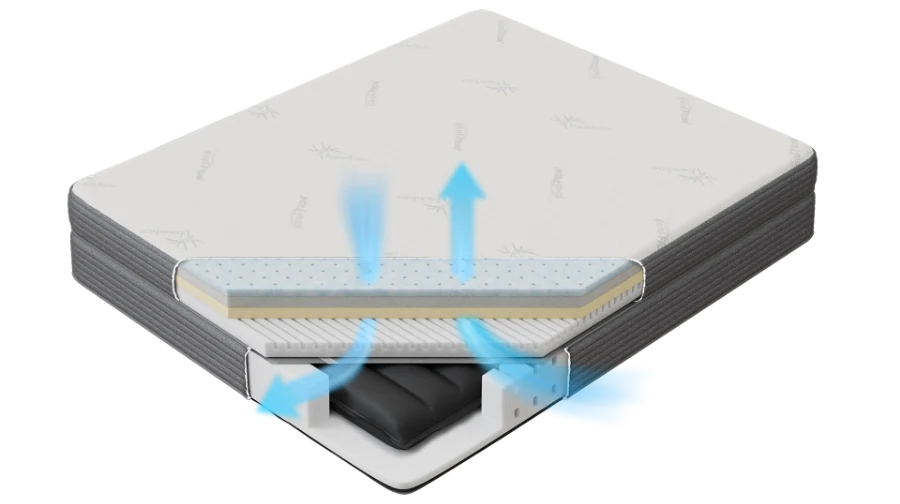
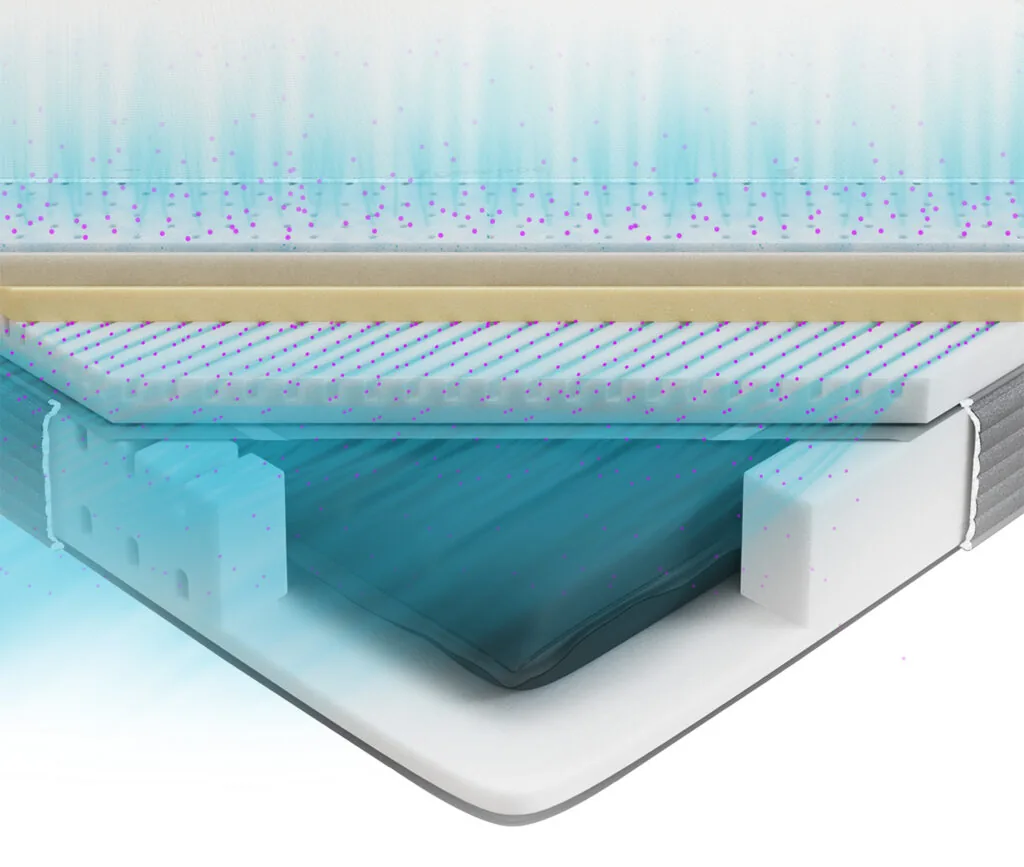
While these tips can significantly improve any memory foam bed cooling, AirPedic™ mattresses are engineered to solve heat retention at its source. Our proprietary Passive Airflow Transfer System™ utilizes strategically designed air channels and breathable materials that allow continuous airflow through the mattress core, rather than just across the surface.

This innovative cooling technology works actively with your body’s natural temperature control, providing the pressure-relieving comfort of memory foam without the heat retention drawbacks. Our advanced materials and construction methods create a sleep surface that adapts to your body’s support needs while maintaining optimal temperature throughout the night.

Whether you choose to optimize your current memory foam mattress or upgrade to AirPedic’s advanced cooling mattresses, these techniques will help you achieve the cool, comfortable sleep you deserve for as long as possible.

Sleep Cooler, Sleep Better: Your Path to Comfortable Nights

If you thought you had to sacrifice the comfort of memory foam to achieve cooler sleep, think again! You can significantly cool your memory foam mattress with our seven simple tips. By adding cooling toppers, using breathable bedding, improving air circulation, optimizing room temperature, improving sleep positioning, opting for cooling accessories, and properly maintaining your mattress, you can have the feel you love without the excessive heat you don’t.

These proven techniques work together to create a comprehensive cooling solution that addresses heat buildup from multiple angles. Start with the most practical options for your situation and gradually implement additional strategies for maximum cooling benefit.

Ready to upgrade your sleep experience? Explore AirPedic’s mattresses and bed bases to discover how our innovative sleep technologies help eliminate heat retention while providing superior comfort and support. Our cooling mattress collection represents the latest advancement in temperature-regulated sleep technology.

Read More About Healthy Sleep

Innerspring vs. Hybrid Mattresses: Which One Is Best for You?

When it comes to finding your perfect mattress, the options can seem overwhelming. Among the best mattress choices are the innerspring mattress and the hybrid mattress; however, as with most things, each has its benefits and potential drawbacks. Luckily, you can count on the experts at AirpedicTM to break down the differences between these two mattress types to help you decide whether one might be the right mattress for you. Thanks to our decades of experience creating premium sleep solutions, we are well equipped to present the key factors to consider when choosing a new mattress, including construction and performance, as well as suitability for different sleepers.

This comprehensive guide compares and contrasts innerspring and hybrid mattresses, highlighting how their differences align with your personal needs, preferences, and lifestyle factors. Whether you’re shopping on a budget or investing in long-term comfort, you’ll be able to make an informed decision that leads not only to better sleep quality but also to improved overall health and well-being.

What is an Innerspring Mattress?

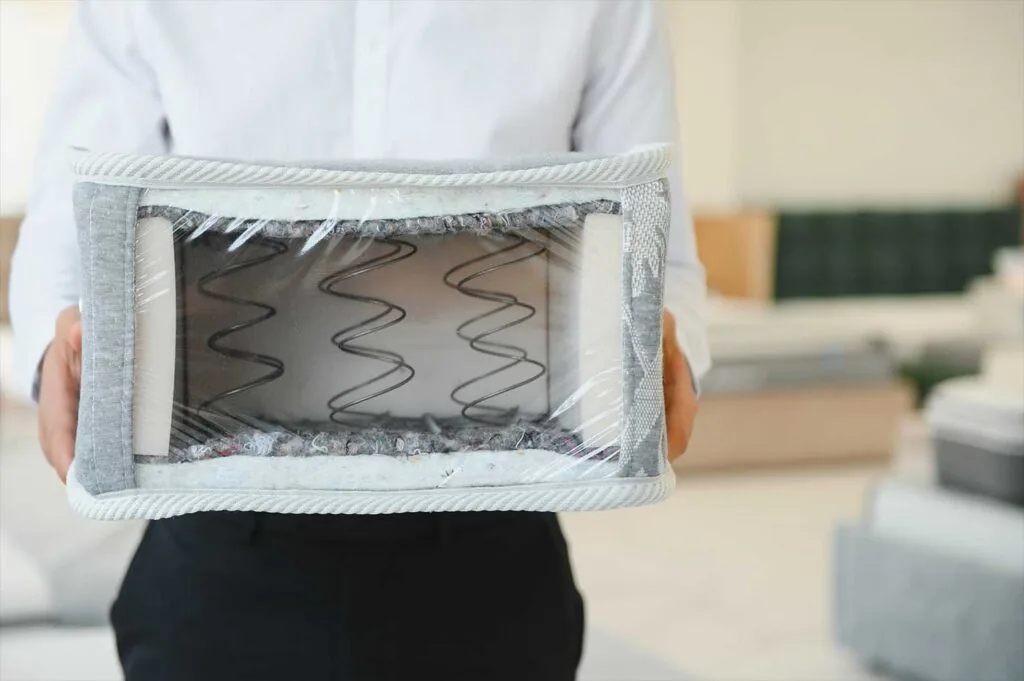
The innerspring mattress is a traditional mattress design that has been a mainstay in bedrooms for generations. It features a support system made of metal coils or springs, typically covered with some, albeit minimal, comfort layers on top. Spring mattresses create the familiar bouncy feel that many sleepers have known since childhood.

Innerspring mattresses remain one of the most widely available types of mattresses. Spring mattress design has evolved significantly over the decades, with modern innerspring beds featuring various coil configurations and comfort materials that enhance their performance while maintaining their characteristic responsive feel.

Construction and Design

The key component of an innerspring mattress is, of course, its springs, or coils. The coil layer is the heart of the innerspring mattress, with various coil support systems and comfort layers available that offer a range of support and price point levels, including:

Coil System

The heart of an innerspring mattress is its coil layer, which provides the primary support structure. Several coil types exist, each with distinct characteristics and listed below, ranging from most to least bouncy in feel:

  • Open Coils: Also called Bonnell coils, these hourglass-shaped, interconnected coils represent the original innerspring design. They offer decent support at an affordable price point, but, due to the inherent buoyancy, transfer more motion across the mattress surface.
  • Continuous Coils: Made from a single piece of wire formed into multiple coils, this system offers improved durability yet still transfers significant motion.
  • Offset Coils: A variation of Bonnell coils, the squared-off ends of these coils allow the springs to hinge together when compressed, providing more support, better body contouring, and less motion transfer.
  • Pocketed Coils: Each coil is wrapped individually in fabric, making them the most advanced innerspring mattress design. Since pocketed coils move independently, they significantly reduce motion transfer and spring noise, while also conforming more precisely to the body to provide superior support. 

Comfort Layers

Above the coil system of innerspring mattresses come relatively thin comfort layers, typically made of foam or fiber padding, quilted fabrics, or pillow tops in some premium models.

Edge Support

Many innerspring designs incorporate reinforced edges that prevent sagging when sitting on the bed’s perimeter, thereby maximizing the usable sleep surface.

The overall feel of an innerspring mattress is determined by a combination of these factors, including as coil count (typically ranging from 400 to 1,000 or more in a queen size) and coil gauge (the thickness of the wire, usually between 12 and 15 gauge), as well as the quality and material of the comfort layers.

Pros and Cons of Innerspring Mattresses

Understanding the advantages and limitations of innerspring mattresses can help you determine whether this traditional mattress design meets your sleep needs.

Benefits of Innerspring Mattresses

  1. Affordability: Innerspring mattresses typically offer the most budget-friendly options in the mattress market, making quality sleep accessible across a wide range of price points.
  2. Responsiveness: The natural bounce of coil systems makes movement easy, allowing sleepers to change positions easily without feeling stuck or restricted.
  1. Temperature Regulation: The open structure of coil systems promotes natural airflow throughout the mattress, helping to dissipate body heat and keep sleepers cooler throughout the night.
  2. Strong Edge Support: Most innerspring mattresses feature reinforced perimeters that prevent sagging when sitting on the edge, maximizing the usable sleep surface.
  3. Widespread Availability: Innerspring mattresses are the most traditional type of mattress, offered by many manufacturers in a range of firmness levels and price points.

Drawbacks of Innerspring Mattresses

  1. Limited Pressure Relief: The minimal comfort layers in most innerspring mattresses may not adequately cushion pressure points, particularly for side sleepers whose shoulders and hips bear concentrated weight.
  2. Motion Transfer: Even for pocketed coil designs, most innerspring mattresses transfer some level of movement across the surface, potentially disturbing sleep partners.
  3. Durability Concerns: Over time, coils tend to lose tension and begin to sag, particularly in lower-quality models. As a result, an innerspring mattress typically has a shorter lifespan compared to other mattress types.
  4. Noise Development: As coils age, they can develop squeaks and creaks that become noticeable during movement.
  5. Limited Conforming Ability: Innerspring mattresses generally don’t contour to the body’s shape as precisely as foam-based mattress options, potentially creating inadequate support for some sleepers.

What is a Hybrid Mattress?

A hybrid mattress is a modern sleep solution that aims to provide the support of an innerspring mattress with the comfort of a memory foam or latex mattress, addressing the limitations of single-material mattress designs to offer enhanced performance across multiple metrics.

Traditional hybrid designs combine innerspring cores with substantial comfort layers made of memory foam or latex, providing a responsive feel with superior contouring and support. At Airpedic™, our hybrid approach goes even further, pairing a patented 6-zone multi-chamber technology with premium comfort layers for unparalleled customization.

Construction and Design

A hybrid mattress typically features a support core comprising individually wrapped pocketed coils, which provide targeted support while minimizing noise and motion transfer. They can vary substantially in the layers that come from there, including:

Substantial Comfort Layers

Unlike traditional innerspring mattresses, hybrids typically feature significant comfort materials, usually at least three inches thick. These layers can be made of memory foam, latex foam, gel-infused foams, or a combination of different foam types.

Transition Layers

Some hybrid designs may include additional transition materials between the comfort layers and support core to further enhance pressure relief and prevent sleepers from directly feeling the coil system.

Specialized Materials

Premium hybrid mattresses often feature advanced materials and cover fabrics designed for cooling, moisture-wicking, or added comfort.

Hybrid Adjustable Air Mattresses

The Airpedic™ approach to hybrid design replaces coils with adjustable air chambers, allowing for customized firmness levels while maintaining the premium comfort layers that make hybrid mattresses so popular. This innovative system delivers personalized support that traditional spring-and-foam hybrids simply cannot match.

Pros and Cons of Hybrid Mattresses

Hybrid mattresses offer several compelling advantages, as well as a few considerations that may impact their suitability for some sleepers.

Benefits of Hybrid Mattresses

  1. Superior Pressure Relief: The substantial comfort layers in hybrid mattresses effectively cushion pressure points while the supportive core prevents excessive sinking, creating an ideal balance for many sleepers.
  2. Enhanced Motion Isolation: Pocket coil systems combined with motion-absorbing comfort foams significantly reduce movement transfer and mattress noise, making hybrids an excellent choice for couples and light sleepers.
  3. Improved Durability: Quality hybrid designs typically outlast traditional innerspring mattresses, offering better longevity and value over time.
  4. Versatile Performance: Hybrids typically excel in various mattress metrics, including support, comfort, temperature regulation, and responsiveness, making them suitable for a wide range of sleepers.
  5. Better for Side Sleepers: The enhanced cushioning from substantial comfort layers makes hybrids much more accommodating for side sleepers than traditional innerspring designs.

Drawbacks of Hybrid Mattresses

  1. Higher Price Point: Due to their advanced materials and more complex construction, hybrid mattresses typically command higher prices than basic innerspring models.
  2. Heavier Weight: The combination of pocket coil mattress systems and substantial foam layers makes hybrids significantly heavier than innerspring mattresses, which can make them more challenging to move or rotate.
  3. Potential Heat Retention: While less so than all-foam mattresses, some hybrid designs with memory foam comfort layers may retain more heat than the open coils of innerspring models.
  4. More Complex Decision Process: Due to the numerous variations in materials and design, selecting the right hybrid mattress often necessitates more thorough research and consideration.
  5. Variable Quality: The performance of hybrid mattresses can vary significantly based on the quality of materials used, making it important to research manufacturers carefully.

Innerspring vs Hybrid: Key Differences

When comparing innerspring and hybrid mattresses directly, several essential distinctions emerge regarding comfort, support, and overall sleep experience.

Comfort and Support

Innerspring MattressHybrid Mattress
Provide a more traditional, responsive feel with pronounced bounceDeliver a more balanced feel with both contouring and responsiveness
Offer more generalized support rather than targeted pressure reliefProvide enhanced pressure relief, particularly for shoulders and hips
Create a sleeping “on” rather than “in” the mattress feelingCreate a gentle cradling effect without the excessive sink of all-foam designs
Typically feel firmer with less cushioning at pressure pointsOffer more targeted support for proper spinal alignment
May create pressure point discomfort for some sleepersGenerally better at addressing joint pain and pressure point discomfort

Durability and Longevity

Innerspring MattressHybrid Mattress
Typically lasts 5-7 years before noticeable sagging occursUsually remains supportive for 7-10 years with proper care
May develop body impressions more quickly due to thinner comfort layersFeature more resilient comfort materials that resist compression
Often experience coil fatigue in high-pressure areas over timeOften include higher-quality, more durable coil systems
Generally have shorter warranties reflecting their shorter lifespansTypically come with longer warranty periods reflecting construction superiority

Motion Isolation and Sleep Quality

Innerspring MattressHybrid Mattress
Can transfer significant movement across the mattress surface Absorb and minimize motion transfer across the mattress
May disturb sleep partners with movement or position changesLess disruption and disturbance for couples and restless sleepers
Create more bounce and responsiveness, which is preferable to some sleepersLess responsiveness and bounce, which can make changing position harder for some
Can produce more noise over timeQuieter performance throughout lifespan

Temperature Regulation

Innerspring MattressHybrid Mattress
Provide excellent natural airflow through open coil core supportOffer better airflow than solid foam or latex mattresses due to coil core
Typically sleep cooler than foams, which can trap heatMay retain more heat with more substantial memory foam comfort layers
Allow for heat dissipation throughout the night, even in warmer climatesCan incorporate cooling materials and technologies in premium models

Which Sleeper Are You? Finding Your Perfect Match

Your sleeping position, body type, and personal preferences play crucial roles in determining which mattress will deliver your best night’s sleep. 

Innerspring Mattresses Are Ideal For:

  • Stomach Sleepers: Firmer support and minimal sinking are key to proper spinal alignment when sleeping face-down.
  • Hot Sleepers: Superior airflow creates a cooler sleep environment.
  • Budget-Conscious Shoppers: A quality innerspring mattress can offer performance with affordability.
  • Those Who Prefer a Traditional Feel: Sleepers accustomed to the responsive bounce of traditional mattresses often prefer innerspring models.
  • Heavier Individuals: The robust support of coil systems can adequately support higher body weights without excessive sinking.

Hybrid Mattresses Are Better For:

  • Side Sleepers: Pressure relief at the shoulders and hips makes hybrids more comfortable for side sleeping positions.
  • Couples: Superior motion isolation allows for undisturbed sleep, even with a restless partner.
  • People with Joint Pain: Better contouring can help alleviate discomfort for those with arthritis or joint issues.
  • Combination Sleepers: Hybrid mattresses can accommodate multiple sleep positions while still allowing easy movement.
  • Those Seeking Longevity: Better durability makes hybrids a sound long-term investment despite higher initial costs

Factors to Consider When Choosing Between Innerspring and Hybrid 

Now that we’ve reviewed the differences of these two popular mattress types, let’s consider how your personal characteristics and needs align with each.

Sleep Position and Body Type

Your primary sleep position significantly impacts which mattress type will provide optimal comfort and support:

  • Side Sleepers typically need the enhanced pressure relief of hybrid mattress comfort layers to accommodate the pressure on their shoulders and hips.
  • Back Sleepers can often be comfortable on either mattress type, depending on their firmness preference.
  • Stomach Sleepers usually require the firmer support of innerspring designs to prevent excessive midsection sinking and back arching.

Health and Pain Considerations

Existing health conditions should influence your mattress choice:

  • Arthritis or joint pain sufferers typically experience better relief with the superior cushioning of hybrid mattresses.
  • Back pain can be addressed by selecting the optimal firmness level in either of these supportive mattress types.
  • Sleep apnea and acid reflux may benefit from adjustable bed compatibility, which can be limited with innerspring designs.

Partner Compatibility

Sharing your bed with a partner introduces additional considerations:

  • Different firmness preferences or sleep styles may be best accommodated with a split king mattress or an adjustable bed, such as Airpedic’s completely customizable hybrid air mattresses and adjustable bed base.
  • Light or restless sleepers can greatly benefit from the motion isolation offered by hybrid designs.

Lifestyle and Long-Term Value

Practical considerations also impact which mattress type offers better value:

  • Expected lifespan vs. initial investment—higher-quality hybrids typically offer better cost-per-year value despite higher upfront prices.
  • Mobility needs—innerspring mattresses are generally lighter and easier to move during relocations.
  • Warranty coverage tends to be more comprehensive for hybrid models, reflecting their generally longer expected lifespan.

Other Mattress Options

Alternatives to innerspring and hybrid mattresses include single-material mattresses made of either latex or memory foam. While these designs can provide excellent durability, contouring, and consistency in firmness, they lack the responsive feel and airflow offered by innerspring and hybrid models. Additionally, some sleepers dislike the deep sinking and tight contouring of foam and latex, which can make moving and changing positions more difficult.  

What’s more, all of these mattress types share a common limitation: they are static options unable to adjust for varying needs, circumstances, and sleep preferences – unlike the dynamic adjustability provided by an Airpedic adjustable air mattress.

The AirpedicTM Advantage

Airpedic’s innovative approach to sleep technology offers a compelling alternative to all other mattress types, including innerspring and traditional hybrids, for so many reasons.

Not only does Airpedic™ provide the support and comfort of a hybrid mattress, our adjustable orthopedic air mattresses offer: 

  • Premium Comfort Layers: Crafted with high-quality materials, including natural latex and cooling gel-infused foams, to provide exceptional pressure relief.
  • Advanced Cooling Technology: Engineered air channels in our Passive Airflow Transfer System ensure superior heat dispersion throughout the night.
  • Long-Term Adaptability: As your body or preferences change over time, your Airpedic™ mattress can be adjusted accordingly, extending its useful life significantly beyond that of traditional mattress types.

In addition, our advanced air chamber technology delivers unprecedented customization:

  • Multi-Zone Support: Our patented 6-zone multi-chamber technology offers targeted support across different areas of the body, ensuring proper spinal alignment and pressure relief where you need it most.
  • Precision Firmness Control: Unlike fixed coil systems or single-material beds, an Airpedic™ adjustable air mattress lets you adjust firmness levels with the touch of a button, providing the exact support your body needs.
  • Dual-Zone Customization: Since each side of the bed can be independently adjusted to accommodate different preferences, an Airpedic™ mattress is an ideal choice for couples.

This makes an Airpedic™ adjustable air bed particularly beneficial to those with certain health conditions or life circumstances, including:

  • Those with Chronic Pain can fine-tune support to target problem areas.
  • Pregnant Women can adjust firmness as their bodies and comfort needs change.
  • Aging Sleepers for a mattress that adapts to changing mobility and support needs, extending comfortable use for years beyond a traditional mattress.

Making the Right Mattress Choice

When deciding between innerspring, hybrid, or adjustable air mattresses, consider both your immediate comfort needs and long-term sleep goals.

Innerspring mattresses offer affordability, cooling properties, and a traditional responsive feel that works well for stomach sleepers, hot sleepers, and those who prefer sleeping “on” rather than “in” their mattress. However, they typically provide less pressure relief and motion isolation while having shorter expected lifespans.

Hybrid mattresses offer enhanced pressure relief, superior motion isolation, and increased durability, making them an ideal choice for side sleepers, couples, and individuals with joint pain. Their higher price point represents an investment in longer-lasting comfort and support.

For the ultimate in personalized sleep comfort, Airpedic™ adjustable air mattresses combine the pressure-relieving benefits of premium comfort layers with customizable support that adapts to your changing needs. This innovative approach addresses many limitations of traditional mattress designs, providing an unparalleled sleep experience.

Ready to Explore Your Mattress Options? 

Explore Airpedic’s complete line of advanced sleep solutions, including our popular and luxurious Airpedic 1100 model. Our sleep specialists are available to provide personalized recommendations tailored to your unique needs, helping you make an informed decision for better sleep and improved overall well-being.

For the ultimate sleep system, pair your new mattress with an Airpedic adjustable base to maximize comfort and support through customizable positioning. Your perfect night’s sleep awaits with Airpedic™—sleep technology designed around you.

  • Explore Now
  • Call 1-866-939-6155
  • Chat with our sleep specialists online!

Read More About Healthy Sleep

Best Mattress for Arthritis Pain

Living with arthritis can make even the simplest activities challenging, and getting a good night’s sleep is no exception. As a leader in orthopedic sleep technology for over two decades, we at Airpedic™ understand how vital a mattress that provides proper support and pressure relief can be for those suffering from joint pain. The right mattress can make the difference between waking up refreshed and experiencing increased stiffness and discomfort.

In this comprehensive guide, we will explore key factors to consider when choosing the best mattress for arthritis, including how various mattress types, materials, and features can help alleviate pain and promote more restful sleep. Whether you have rheumatoid arthritis, osteoarthritis, or general joint pain, this information will help you make an informed decision about which mattress type best supports your specific needs.

How Can Arthritis Affect Sleep Quality?

Arthritis can significantly impact sleep quality in various ways, creating a vicious cycle of pain and sleep disruption. Understanding this cause-and-effect mechanism is crucial for finding the most effective sleep solution.

Why Arthritis Causes Nighttime Discomfort

People living with Arthritis are all too familiar with the fact that joint pain can intensify during the night. Joint stiffness tends to worsen when the body remains in one position for extended periods, a phenomenon that occurs naturally during sleep. Similarly, the pressure that develops at contact points between the body and the sleep surface often creates painful pressure points precisely where arthritic joints are most sensitive. Additionally, inflammatory forms of arthritis can cause fluctuations in body temperature and increased sensitivity to temperature changes, which can disrupt sleep patterns.

For many people living with arthritis, the pain-sleeplessness cycle becomes self-reinforcing: arthritis pain disrupts sleep, and poor sleep quality increases pain and sensitivity the following day. Breaking this cycle requires addressing both sleep quality and proper joint support.

How Poor Mattress Support Worsens Arthritis Symptoms

It’s not surprising that an unsupportive mattress can significantly exacerbate arthritis symptoms. When a mattress fails to distribute body weight properly, it creates pressure points at vulnerable joints, particularly at the hips, shoulders, and knees. This uneven pressure distribution can increase inflammation and chronic pain in arthritic joints.

Additionally, a mattress lacking proper support can cause spinal misalignment, resulting in tension in the surrounding muscles and increased overall discomfort. For people living with arthritis, this combination of pressure points and poor alignment can turn what should be restful sleep into a painful experience.

Clearly, it is essential to choose a mattress specifically designed to address these concerns. Below, we examine five of the most popular mattress types in relation to their impact on arthritis and joint pain.

1. Memory Foam Mattresses

Memory foam mattresses have revolutionized sleep comfort, particularly for those with joint pain and arthritis. Their unique properties make them particularly beneficial for individuals seeking pain relief.

Contouring Pressure Relief

The defining characteristic of a memory foam mattress is its ability to respond to body heat and pressure, allowing it to conform precisely to individual body contours. This creates a customized sleep surface that distributes weight evenly and reduces pressure on tender spots and painful joints.

The contouring ability of memory foam mattresses can be transformative for individuals with arthritis, particularly side sleepers who experience pressure at the hips and shoulders, even without arthritis-related pain. A memory foam mattress cradles these pressure-sensitive areas, providing gentle support and distributing weight evenly to reduce stress on inflamed joints and minimize pressure points that can trigger arthritic pain during the night.

Potential Drawbacks

Despite its excellent pressure relief, memory foam has some limitations. Traditional memory foam tends to retain body heat, which can be problematic for people living with arthritis who experience night sweats or temperature sensitivity. Gel-infused and open-cell memory foam variants help address this concern, but they may not completely resolve the issue for extremely hot sleepers.

Additionally, memory foam’s slow response time creates a conforming “hug” that some find restrictive, particularly those who change positions frequently to alleviate joint stiffness. This characteristic can make movement in bed more challenging and might not be ideal for combination sleepers with arthritis who need to adjust positions easily throughout the night.

2. Latex Mattresses

Natural latex mattresses offer a unique blend of responsive support and pressure relief, which can be particularly beneficial for individuals with certain types of arthritis.

Natural Buoyancy and Joint Support

Unlike memory foam’s slow-conforming nature, latex provides immediate responsive support with a subtle, springy quality. This natural buoyancy creates gentle pushback that cradles joints while allowing for easier movement—an important consideration for arthritis sufferers who need to change positions frequently to avoid stiffness.

This inherent resilience allows latex mattresses to provide consistent support throughout the night without the “sinking” sensation some experience with memory foam. This balanced support is particularly effective for maintaining proper spinal alignment while still cushioning sensitive pressure points.

Additionally, a natural latex mattress offers hypoallergenic properties thanks to their natural resistance to dust mites, mold, and other allergens that could trigger inflammatory responses. This can, in turn, benefit people living with arthritis who may also experience allergic or respiratory sensitivity

Firmness Options for Arthritis Relief

Latex mattresses come in various firmness levels, making them adaptable to different arthritis conditions and sleep preferences. Softer latex formulations provide cushioning comfort while maintaining better responsiveness than memory foam, making them ideal for individuals with severe joint pain who require maximum pressure relief.

Medium-firm latex options often provide an ideal balance of support and comfort for many people living with arthritis, particularly those who sleep on their backs. The material’s natural resilience helps maintain proper spinal alignment while still conforming enough to relieve pressure on painful joints.

For arthritis patients who prefer a firmer sleep surface but still need pressure relief, firmer latex formulations offer substantial support without the rigid feel of traditional firm mattresses. This firmness can be particularly beneficial for stomach sleepers with arthritis who need enhanced support to prevent excessive spinal curvature.

3. Innerspring Mattresses

While popular, affordable, and widely available, traditional innerspring mattresses generally offer the least favorable option for most arthritis sufferers due to their construction and feel.

Limitations for Arthritis Relief

Traditional innerspring mattresses typically feature a thin comfort layer over a connected coil system, which frequently creates pressure points precisely where people living with arthritis need relief. The limited cushioning often fails to adequately distribute weight around sensitive joints, potentially increasing rather than alleviating pain in areas such as the hips and shoulders.

For side sleepers with arthritis, this lack of pressure relief can be particularly problematic, as the prominent joints of the shoulders and hips bear more concentrated weight in this position. The minimal contouring of standard innerspring mattresses frequently creates pressure points that can intensify joint pain throughout the night.

Additionally, connected coil systems in conventional innerspring mattresses transfer motion more readily than other mattress types. For individuals living with arthritis who share a bed and frequently need to change positions due to discomfort, this motion transfer can disrupt the sleep quality of both partners.

Potential Benefits for Some Arthritis Sufferers

Despite these limitations, newer innerspring designs with enhanced pillow tops may offer sufficient cushioning for certain patiemnts with arthritis. Additionally, higher-quality models often feature individually wrapped coils to provide more targeted support and reduced motion transfer. 

Back sleepers with milder forms of arthritis who prefer a firmer feel may find adequate support in high-quality innerspring mattresses with substantial pillow tops that provide pressure relief without sacrificing responsive support below.

The natural breathability of innerspring construction promotes better temperature regulation throughout the night—a potential benefit for arthritis sufferers who experience night sweats. The enhanced airflow through the coil system helps dissipate body heat more effectively than many foam options.

For those who find some benefit from the supportive feel of innerspring mattresses but need additional pressure relief, adding a high-quality mattress topper made of memory foam or latex can create a more joint-friendly sleep surface without replacing the entire mattress. This approach can be a cost-effective intermediate solution while researching more permanent options better suited to arthritis relief.

4. Hybrid Mattresses

Hybrid mattresses combine the supportive strength of innerspring coils with the pressure-relieving comfort of a latex mattress, creating a versatile sleep surface that addresses multiple concerns for people living with arthritis.

Balanced Support and Pressure Relief

Traditional hybrid mattresses feature individually wrapped coils in their support cores that provide targeted support while minimizing motion transfer. This coil system creates a responsive foundation that helps maintain proper spinal alignment, crucial for preventing the misalignment that can exacerbate arthritis pain.

Above the coil system, hybrid mattresses incorporate substantial comfort layers made of memory foam, latex, or a combination of materials. These layers provide the pressure relief needed to cushion sensitive joints while the coils below prevent excessive sinking that could throw the spine out of alignment.

This balanced approach to support makes hybrid mattresses versatile enough to accommodate a variety of sleeping positions. Side sleepers with hip and shoulder arthritis benefit from the pressure-relieving comfort layers, while back sleepers with spinal arthritis appreciate the enhanced support from the coil system below.

Motion Isolation for Couples

For arthritis sufferers who share a bed, hybrid mattresses offer superior motion isolation compared to traditional innerspring mattresses. The individually wrapped coils compress independently, preventing movement from transferring across the mattress surface—a significant benefit when one partner needs to change positions frequently due to joint discomfort.

This motion isolation capability, combined with the balanced feel of support and pressure relief, makes hybrid mattresses an excellent compromise for couples with different needs. When one partner has arthritis and the other doesn’t, a quality hybrid can satisfy both sleepers’ preferences without requiring separate mattresses.

However, it’s important to note that hybrid models vary widely in their construction and feel. Some prioritize the responsive support of their coil systems while others emphasize the pressure-relieving properties of their comfort layers. For individuals living with arthritis, hybrids featuring ample comfort layers (at least 2-3 inches) typically offer better pressure relief for painful joints. As we explore below, a hybrid mattress with an air chamber core, rather than coils, takes this mattress type to the next level.

5. Adjustable Air Mattresses 

Adjustable air mattresses represent the pinnacle of personalized comfort, especially for people with arthritis. They offer unparalleled customization capabilities, allowing them to be adapted to changing pain levels and needs.

Customizable Firmness for Arthritis Pain

The defining feature of a high-quality adjustable air mattress is its ability to provide precise firmness control through air chambers that can be inflated or deflated according to individual preferences. This customization enables arthritis sufferers to adjust their support level according to the level and location of joint pain on any given day.

For those experiencing flare-ups, the ability to adjust firmness without purchasing a new mattress is invaluable. When arthritis pain intensifies in specific areas, the mattress can be adjusted to reduce pressure on the affected joints. Conversely, when more support is needed for proper alignment, firmness can be increased accordingly.

Advanced air mattress systems like those from Airpedic™ take customization even further by offering multi-zone technology that allows for different firmness levels in various parts of the mattress. This means the area supporting the shoulders can be set to a different firmness level than the section supporting the lower back or hips, providing targeted relief exactly where arthritis pain is most pronounced.

AirPedic’s Specific Benefits for Arthritis

Airpedic™ mattresses are specifically engineered to address the unique challenges faced by people living with arthritis. Even when compared to other adjustable firmness beds, our patented 6-zone technology offers unparalleled customization across multiple zones on each side of the mattress, ensuring optimal support for every area of the body.

For arthritis patients, this multi-zone capability means enhanced comfort where it matters most. The upper body zone can be adjusted to relieve shoulder pain, while the enhanced lumbar zone maintains proper spinal alignment to prevent back pain. Simultaneously, the lower body zone provides tailored support for hip and knee joints—areas commonly affected by arthritis.

Beyond their customizable air chambers, Airpedic™ adjustable air mattresses also feature premium comfort layers made of cooling gel memory foam or natural latex, which add an additional level of pressure relief. When combined with an adjustable base, this creates a complete sleep system that can significantly reduce arthritis pain by allowing position adjustments that take pressure off inflamed joints.

Dual-sided adjustability is particularly valuable for couples where one partner has arthritis since both people can customize their side of the bed without compromising their partner’s comfort preferences.

What To Consider When Buying a Mattress for Arthritis and Joint Pain

Selecting the optimal mattress for individuals with arthritis requires careful consideration of both physical properties and practical purchasing factors. Understanding which features provide the most effective relief for your specific arthritis symptoms will help guide your decision.

Key Mattress Features for Arthritis Relief

When evaluating mattresses for arthritis, several specific performance attributes should take priority:

Pressure Relief Capability: The mattress should distribute weight evenly to minimize stress on painful joints. Look for materials that contour to your body’s unique shape without creating pressure points, particularly in areas where your arthritis symptoms are most severe.

Spinal Alignment: Proper support that maintains natural spinal curvature is essential for preventing additional stress on arthritic joints. The mattress should support the heavier parts of your body while cushioning pressure points, creating a balanced sleeping surface that doesn’t force your spine into unnatural positions.

Response Time and Ease of Movement: Many people living with arthritis need to change positions frequently throughout the night to prevent stiffness and pain. Materials with faster response times, such as latex or hybrid constructions, often make position changes easier than those with slow-responding memory foam.

Motion Isolation: For couples where one or both partners have arthritis, motion isolation prevents sleep disruption when one person changes positions to alleviate discomfort. This feature is particularly significant for individuals whose arthritis causes frequent nighttime movement, as well as for those who are light sleepers.

Temperature Regulation: Many people with inflammatory forms of arthritis experience temperature sensitivity. Cooling features, such as gel infusions, phase-change materials, or naturally breathable components like latex, can help maintain comfortable sleep temperatures and prevent overheating that might exacerbate inflammation.

Practical Buying Considerations

Beyond the physical properties of the mattress itself, several practical factors should influence your purchase decision:

Sleep Trial Period: Since arthritis symptoms can fluctuate, a generous trial period of at least 90 nights allows sufficient time to determine whether a mattress consistently alleviates pain across different types of arthritis flare-ups. This extended evaluation period is especially valuable for assessing how the mattress performs as arthritis pain and severity varies.

Return Policy and Warranty: Clear, consumer-friendly return policies and robust warranties protect what is ultimately a significant health investment. Look for warranties that specifically cover issues like excessive sagging or indentations that could compromise the mattress’s pressure-relieving properties over time.

Budget vs. Long-Term Value: While price is always a consideration, it’s important to evaluate a mattress as an investment in your health and quality of life. Higher-quality materials and construction often translate to better durability and more consistent support over time, particularly important for those managing chronic conditions like arthritis.

Investing in a premium mattress specifically designed to address arthritis concerns typically offers better value in the long run, as these specialized products tend to maintain their supportive properties longer than budget alternatives.

Tips for Restful Sleep Despite Arthritis and Joint Pain

Beyond selecting the right mattress, several complementary strategies can significantly enhance sleep quality for individuals with arthritis. Implementing these approaches while enjoying the restful sleep provided by a supportive mattress creates a comprehensive sleep system for managing nighttime pain.

Optimizing Your Sleep Environment

Creating a joint-friendly sleep environment with the right sleep accessories and setup extends beyond just your mattress choice:

Supportive Pillows: The right pillow helps maintain proper neck alignment and provides additional support for arthritic joints. Side sleepers with shoulder arthritis may benefit from shoulder cutout pillows, while those with knee and hip pain often find relief by placing a small pillow between their knees to maintain hip alignment.

Adjustable Bed Bases: Pairing your mattress with an adjustable base can dramatically reduce arthritis pain by allowing for position changes that relieve pressure on specific joints. Elevating the head and feet slightly creates a “zero gravity” position that minimizes pressure on the spine and major joints. This flexibility is particularly beneficial during arthritis flare-ups, when certain positions become too painful for comfortable sleep.

Temperature-Regulating Bedding: Breathable sheets, moisture-wicking mattress protectors, and cooling blankets help manage the temperature fluctuations that often accompany inflammatory arthritis. Maintaining a consistently comfortable temperature can help prevent overheating, which sometimes triggers increased inflammation and pain during the night.

Accessible Bed Setup: Arranging bedside tables at the appropriate height and keeping necessary items, such as water, medication, or heat/cold packs, within easy reach minimizes the need for painful reaching or twisting during the night. This thoughtful arrangement can prevent disrupting a comfortable position once it’s been achieved.

Pain Management Strategies for Better Sleep

Complementary approaches to managing arthritis pain can significantly improve sleep quality:

Pre-Sleep Gentle Stretching: Engaging in a gentle stretching routine before bed can help reduce joint stiffness and prepare your body for a restful night’s sleep. Focus on the specific joints affected by your arthritis, using slow, controlled movements within a comfortable range of motion. Aim to complete these exercises at least 30 minutes before bedtime to allow your body time to relax afterward.

Heat Therapy: Applying heat to affected joints shortly before bedtime can increase blood flow and reduce pain and stiffness. Heated blankets, warm showers, or microwavable heat packs are effective options for creating temporary pain relief, which facilitates an easier transition to sleep.

Consistent Sleep Schedule: Maintaining regular sleep and wake times helps regulate your body’s internal clock, which may reduce the severity of morning stiffness. This consistency supports your body’s natural pain management systems and can improve overall sleep quality.

Medication Timing: Consulting with your healthcare provider about optimal timing of arthritis medications can ensure maximum effectiveness during sleep hours. For some, taking anti-inflammatory medications shortly before bed provides better pain control throughout the night.

Combining these lifestyle strategies with the right mattress choice can significantly improve sleep quality for people living with arthritis, even in the face of ongoing joint challenges. The cumulative effect of a supportive sleep environment and a thoughtful pain management routine can result in substantial improvements in both sleep quality and next-day function.

Transform Your Sleep and Reduce Arthritis Pain with the Right Mattress

Finding the best mattress for arthritis is a crucial step in managing arthritis symptoms and, consequently, enhancing overall quality of life. While no single mattress type works universally for all individuals with arthritis, understanding the specific benefits of each option can help you make an informed decision based on your unique needs and preferences.

Memory foam excels at pressure relief but may retain heat and restrict movement. Latex offers responsive support with natural cooling properties, but at a higher price point. Traditional innerspring mattresses generally offer the least favorable option for arthritis relief, unless significantly enhanced with a quality pillow top and pocketed coils. Hybrid mattresses combine the benefits of other mattress types to provide balanced performance across multiple factors. 

For many people with arthritis, however, adjustable air mattresses like those from Airpedic™ represent the ideal solution. They combine customizable support with premium comfort layers that can be tailored to address specific pain points. The ability to adjust firmness in response to changing arthritis symptoms provides unmatched versatility for managing joint pain effectively.

Remember that investing in quality sleep is also investing in your overall health and well-being. The right mattress, combined with supportive accessories and thoughtful pain management strategies, can transform your sleep experience despite the challenges of arthritis.

Experience Airpedic’s Orthopedic Sleep Solutions

Discover how Airpedic™’s revolutionary adjustable air mattress technology can transform your sleep experience. Our patented 6-zone technology, premium comfort layers, and customizable support are specifically designed to address the unique challenges faced by individuals with arthritis.

Explore our collection of orthopedic mattresses and adjustable bases, specifically designed to provide unparalleled comfort and support for individuals experiencing joint pain. Each Airpedic™ sleep system combines cutting-edge technology with exceptional craftsmanship to deliver the personalized sleep experience you deserve.

Take the first step toward better sleep and reduced arthritis pain:

Call 1-866-939-6155 today for a FREE consultation with one of our sleep specialists, or chat with us online at Airpedic.com to find your perfect sleep solution.

Read More About Healthy Sleep

Latex vs Memory Foam Mattress: Which Is Right for You?

Choosing the right mattress can transform your sleep quality and overall well-being. Of course, quality materials and construction are key to mattress performance, but which materials are right for your sleep needs and preferences? Latex and memory foam are the leading options in the premium mattress market. While both of these materials offer distinct benefits for different sleepers, comparing their feel, responsiveness, temperature regulation, and durability is essential to making an informed decision.

This guide explores everything you need to know about latex vs. memory foam mattresses—including their composition, features, advantages, and potential drawbacks—to help you determine which mattress type best suits your needs. As a leading manufacturer of quality sleep solutions backed by years of research and development into advanced sleep technology, we can provide the expert insights you need to be confident in your mattress selection.

What is a Latex Mattress?

Composition and Feel

A latex mattress can be made of natural latex, a foam made from the sap of rubber trees, or a synthetic version designed to mimic the same properties. This premium mattress material creates a distinctive sleep experience characterized by responsive support, gentle contouring, and natural resilience.

Natural latex is harvested through an environmentally sustainable process. Rubber trees are tapped for their sap, which is collected and processed into foam. This method allows trees to continue producing for decades, making natural latex one of the most eco-friendly mattress materials on the market.

Synthetic latex is manufactured using petrochemicals, primarily styrene-butadiene rubber (SBR). While designed to be indistinguishable from natural latex at a lower price point, synthetic versions typically offer less durability and resilience.

Many manufacturers also offer blended latex, combining natural and synthetic materials to balance performance and affordability.

Regardless of composition, latex mattresses are known for their characteristic feel. Unlike memory foam, which has a slow-sinking sensation, latex offers immediate responsiveness with a subtle, buoyant bounce. The material gently cradles the body without the deep hug or “stuck” feeling some sleepers experience with foam mattress types.

Structure and Variations

The two primary latex manufacturing processes—Dunlop and Talalay—create distinctly different foams with unique characteristics.

Dunlop Process

The Dunlop method involves pouring liquid latex into a mold as one complete pour and steam-baking it. This process results in a denser foam with natural particles settling toward the bottom, creating a slightly firmer feel. It also offers exceptional durability and support, making it a popular material for mattress support cores.

Talalay Process

In this more complex method, the mold is only partially filled with liquid latex, then vacuum-sealed and flash-frozen before baking. This creates a more consistent cell structure with enhanced breathability. It also produces a softer, more luxurious feel with greater pressure relief, making it ideal for mattress comfort layers.

Most latex mattresses feature a layered construction using both types of latex with varying densities and firmness levels. A typical configuration includes:

  • A supportive core of firmer Dunlop latex
  • Comfort layers of softer Talalay latex
  • An organic cotton or wool cover for breathability and natural fire resistance

Latex mattresses are a significant player in the organic and eco-conscious sleep market. Many feature certifications, including the GOLS (Global Organic Latex Standard), GOTS (Global Organic Textile Standard), and OEKO-TEX Standard 100.

Pros and Cons of Latex Mattresses

Advantages

A latex mattress offers many benefits, making it a standout choice, especially for those who want an eco-friendly mattress.

Exceptional Durability

With proper care, high-quality natural latex mattresses can last 15-20 years or more, significantly outlasting most other mattress types. Their natural resilience and resistance to compression make them an excellent long-term investment despite their higher initial cost.

Natural Breathability and Temperature Regulation

The open-cell structure of latex naturally promotes airflow throughout the mattress, offering superior breathability compared to most other foams. This allows body heat to dissipate rather than becoming trapped against the sleeper. Many latex mattresses feature pinhole designs that further increase air circulation.

Resistance to Allergens and Microbes

Natural latex’s inherent antimicrobial and antifungal properties create an inhospitable environment for common bedroom allergens, making it difficult for dust mites, mold, and mildew to establish themselves. This makes natural latex mattresses an excellent choice for allergy sufferers and those with respiratory sensitivities.

Immediate Responsiveness

Latex’s subtle bounce immediately adapts to movement and position changes, making it well-suited for combination sleepers and those who frequently change positions. Its natural elasticity provides gentle pushback that facilitates easy movement without sacrificing support.

Balanced Support and Pressure Relief

The layered construction of most latex mattresses strikes an impressive balance between supportive firmness and pressure-relieving comfort. It also distributes body weight evenly across the sleep surface while providing targeted cushioning to pressure points like shoulders, hips, and knees.

Eco-Friendly Options

Natural latex is one of the most sustainable sleep options available. Not only do the rubber trees used for latex production absorb carbon dioxide, but the harvesting process also allows trees to continue growing for decades.

Disadvantages

Despite the many advantages of latex mattresses, they are not without a few drawbacks.

Higher Price Point

With their superior quality and durability, latex mattresses command higher prices, even in the premium mattress space, especially for all-natural and organic options. While the longevity can be worth the investment, the higher outlay places latex mattresses beyond the budget of many shoppers.

Weight and Maneuverability

Latex mattresses are notoriously heavy, with queen sizes often weighing 100-150 pounds or more. Their substantial weight makes setup, rotation, and relocation challenging without assistance.

Potential Firmness Issues

Some sleepers may find latex mattresses too bouncy, particularly those with lighter body weights or couples who struggle with motion transfer. Even softer latex options provide more pushback than memory foam. Conversely, some latex mattresses can be too firm for sleepers who prefer plush surfaces.

What is a Memory Foam Mattress?

Composition and Feel

Memory foam mattresses represent a revolutionary development in sleep technology. At its core, memory foam is a synthetic material enhanced with additional chemicals to increase its density and viscosity, creating its characteristic pressure-sensitive response to body heat.

Initially developed by NASA in the 1960s to improve seat cushioning and crash protection for astronauts, memory foam entered the consumer mattress market in the 1990s. Its technical name, viscoelastic polyurethane foam, describes its dual properties: “visco” refers to its viscous, flow-like response to pressure, and “elastic” indicates its ability to return to its original shape once pressure is removed.

The defining characteristic of memory foam is its slow response to pressure and heat. When you lie on a memory foam mattress, your body heat softens the material, gradually allowing it to conform to your shape. This creates a customized impression that distributes weight evenly and relieves pressure points. As you change positions, the foam slowly reforms, creating that distinctive “memory” effect.

This slow-responding quality creates a unique sensation often described as a “deep hug” or “sinking in” feeling that many sleepers find exceptionally comfortable. This distinctive feel has made memory foam particularly popular among side sleepers and those with joint pain who benefit from enhanced pressure relief.

Structure and Variations

Unlike latex mattresses, which can be made entirely of latex foam, memory foam mattresses typically feature a layered construction with memory foam comprising only the top comfort layers. A standard memory foam mattress structure includes:

  • A high-density polyurethane foam support core (5-7 inches)
  • One or more layers of memory foam comfort layers (2-4 inches)
  • A breathable cover, often made from polyester, cotton blends, or specialized cooling fabrics

Memory foam density is one of the most important factors affecting mattress quality, durability, and feel. Density is measured in pounds per cubic foot (PCF), with most quality memory foams ranging from 3.0 to 5.0 PCF. Higher-density foams typically offer greater durability and deeper contouring but may retain more heat and feel firmer initially.

The motivation to overcome this propensity for heat retention has led to significant variations and enhancements in memory foam technology. For example, gel-infused memory foam incorporates gel particles or beads throughout the foam or as a separate layer. This “cooling gel” absorbs and dissipates body heat more effectively, creating a cooler sleep surface. Another innovation involves modifying memory foam’s internal structure to an “open-cell” configuration. This enhances breathability and airflow throughout the material to dissipate heat and moisture more effectively than traditional memory foam.

Pros and Cons of Memory Foam Mattresses

Advantages

There are many plusses to memory foam mattresses, especially for those experiencing pressure points or motion transfer. 

Superior Pressure Relief

The viscoelastic properties of memory foam allow it to conform precisely to body contours and distribute weight evenly, reducing pressure on sensitive areas. This exceptional ability to relieve pressure points is particularly beneficial for side sleepers and those with chronic pain or joint issues.

Excellent Motion Isolation

Few mattress materials can match memory foam’s ability to isolate and absorb motion. Its inherent density and lack of bounce prevent motion from transferring across the mattress, making it ideal for couples and light sleepers.

Quiet Performance

With no springs to squeak or components to creak, memory foam provides virtually noise-free performance, making it an excellent choice for light sleepers to create a peaceful sleep environment.

Wide Availability and Price Range

Memory foam is one of the most versatile mattress types for budget accommodation, with options available at virtually every price point, from budget-friendly to luxury.

Hypoallergenic Properties

The dense structure of memory foam naturally deters dust mites, mold, and bacteria, which is a critical concern for sleepers with allergies or respiratory sensitivities.

Disadvantages

As with any mattress type, there are limitations to consider. 

Heat Retention Issues

As mentioned, traditional memory foam’s dense structure and close contouring can trap heat against the sleeper’s body, potentially causing discomfort for hot sleepers or those in warmer climates.

Slow Response Time

Memory foam’s characteristically slow return to form after being compressed can create a feeling of being “stuck” or “sinking” for some sleepers. This may make changing positions more difficult, potentially disrupting sleep.

Limited Edge Support

Some memory foam mattresses lack adequate edge support, allowing the perimeter to compress under a person’s weight. This can make sitting on the edge of the bed uncomfortable and reduce the usable sleep surface.

Latex vs Memory Foam: Key Differences

When choosing between latex and memory foam mattresses, understanding their fundamental differences is crucial for finding the perfect match for your sleep needs. These two premium mattress materials offer distinct experiences across several key performance categories. 

Comfort and Support Comparison

First, let’s compare these two mattress types by attribute and sleep experience:

Contouring Properties

Memory FoamLatex
Deep, precise contouringGentle cradling
Creates a “hugging” sensationMaintains more pushback and resilience
Molds exactly to your shapeProvides more generalized compression
Excels at relieving pressure pointsSupports while allowing easy movement

Responsiveness and Movement

Memory FoamLatex
Responds slowly to pressure changesResponds immediately to movement
Gradually conforms to new positionsInherent springiness adapts instantly
Retains impressions momentarilyNatural buoyancy makes movement easier
Can make changing positions challengingRequires less effort to shift positions

Sleep Position Compatibility

Sleep PositionBetter Match

Side sleepers
Memory foam (superior pressure relief at shoulders and hips)

Back sleepers
Either (latex may provide better spinal alignment for some)

Stomach sleepers
Latex (prevents excessive hip sinking)

Combination sleepers
Latex (responsive nature supports position changes)

Performance Factors

Now let’s examine latex vs memory foam in terms of performance metrics: 

Durability and Longevity

  • Natural latex is one of the most durable mattress materials. High-quality latex mattresses often last 15-20 years or more.
  • Memory foam generally offers good but comparatively shorter durability. Quality memory foam models typically last 7-10 years.

Temperature Regulation

  • Traditional memory foam is known for heat retention due to its dense structure and close contouring that can trap body heat. Gel-infused memory foam helps address these concerns.
  •  Due to its inherent open-cell structure, latex offers superior breathability, which can be further enhanced with pinhole designs that increase airflow.

Motion Transfer

  • Memory foam excels at motion isolation, absorbing and minimizing movement transfer across the mattress surface.
  • Latex absorbs some motion but transfers more movement due to its natural responsiveness and subtle bounce.

Edge Support

  • Memory foam mattresses often provide inadequate edge support.
  • Latex mattresses typically offer better edge support.

Practical Considerations

Lastly, let’s dive into some practical differences between latex and memory foam mattresses:

Price Comparison

  • Memory foam mattresses span virtually every price point, from budget to luxury.
  • Latex mattresses typically occupy the mid to high-end price range.

Availability and Market Presence

  • Memory foam options are available from many manufacturers.
  • Latex mattresses remain less widely available.

Environmental Impact

  • As a petroleum-based product, memory foam has a larger environmental footprint.
  • Natural latex mattresses are one of the most environmentally friendly mattress types.

Making the Right Choice: Is Latex or Memory Foam the Better Mattress for You?

Choosing between latex and memory foam mattresses comes down to aligning their unique features with your unique sleep needs, preferences, and priorities. Both materials offer exceptional comfort and support, but they do so in distinctly different ways that can significantly impact your sleep experience.

Memory foam excels in deep pressure relief and motion isolation, creating a cradling sensation that many sleepers find incredibly comfortable. Its ability to precisely contour to your body makes it particularly beneficial for side sleepers, those with joint pain, and couples who are easily disturbed by their partner’s movements. However, its tendency to retain heat, slower response time, and shorter lifespan are important considerations that can make it less suitable for hot sleepers, combination sleepers, or those seeking a longer-term investment.

Latex offers different advantages with its responsive bounce, temperature neutrality, and exceptional durability. Its immediate responsiveness makes position changes effortless, while its natural breathability creates a consistently cooler sleep surface. Despite the higher initial cost, the material’s remarkable longevity makes it a sound long-term investment. However, its more generalized compression and firmer feel may not provide enough pressure relief for some side sleepers or those who prefer the deep hug of memory foam.

When deciding, consider your primary sleep position, temperature preferences, budget (both short—and long-term), and how you prefer a mattress to feel. Many sleepers find that hybrid mattresses combining both materials offer an excellent compromise that leverages each material’s strengths while minimizing its weaknesses.

With the information in this guide, you can make an informed decision based on your personal needs rather than marketing claims or general popularity. When choosing, remember that the perfect mattress for you is the one that helps you achieve restful, rejuvenating sleep night after night!

For those seeking the ultimate in customizable comfort, Airpedic® adjustable beds and mattresses offer an innovative solution that can be tailored to your exact preferences. Our advanced sleep systems allow you to fine-tune firmness levels and support zones, providing personalized comfort that adapts to your changing needs. Explore Airpedic®’s range of premium sleep products to discover how adjustable comfort technology can transform your sleep experience and help you achieve the restorative rest you deserve.


Ready to Upgrade Your Sleep?

Discover Airpedic®’s extensive range of latex, memory foam, and hybrid mattresses tailored to your lifestyle! Explore adjustable bed bases that enhance comfort while supporting proper spinal alignment—all backed by expert craftsmanship and unmatched quality assurance:

  • Explore Now
  • Call 1-866-939-6155
  • Chat with our sleep specialists online!

Read More About Healthy Sleep

How Often Should You Replace Your Mattress?

Is your mattress still giving you the best possible sleep? If you’re waking up with aches and pains or tossing and turning through the night, it’s probably time for a change. Even if you love your mattress, mattresses have a lifespan. It’s essential to watch for changes in your mattress over time and perform simple preventative maintenance to ensure you get the most restful sleep possible.  

So when should you replace your mattress? As a mattress manufacturer with over two decades of expertise and experience in crafting premium sleep solutions, we’re here to guide you through everything you need to know about mattress longevity and replacement. In this comprehensive guide, we’ll explore:

  • The typical lifespan of different mattress types
  • Tell-tale signs it’s time for a replacement
  • Factors that affect mattress lifespan
  • How to choose the right replacement mattress

By the end, you’ll have all the information you need to decide when it’s time for a new mattress and which mattress to choose when you’re ready.

What is the Typical Lifespan of a Mattress?

When it comes to mattress lifespan, there’s no one-size-fits-all answer. While most mattress experts agree that the average mattress should last between 7 and 10 years, mattress lifespan can vary significantly depending on the type, construction, and quality of the mattress and how it is used and maintained.

Lifespan by Mattress Type

Different mattress types have different lifespans because of the nature of their construction. For example, solid material mattresses are typically more durable than innerspring mattresses, as shown by the following average mattress lifespan ranges by type:

  • Innerspring mattresses: 5-7 years
  • Memory foam mattresses: 8-10 years
  • Latex mattresses: 12-20 years
  • Hybrid mattresses: 6-8 years
  • Adjustable air beds: 12-20+ years with proper maintenance

However, it is essential to note that high-quality mattresses featuring superior materials and construction can often last longer than these ranges, regardless of mattress type. A premium hybrid mattress might outlast a budget innerspring mattress by several years rather than the expected year or two longer.

Factors Impacting Mattress Lifespan

edge support airpedic

In addition to mattress type and quality, there are other factors can influence how long a mattress remains comfortable and supportive, including:

  1. Usage frequency: For example, a mattress in a rarely-used guest room will naturally last longer than a mattress used nightly.
  2. Number and weight of sleepers: Heavier individuals, couples, or families who co-sleep may cause a mattress to wear out faster than a single, lighter-weight sleeper.
  3. Sleep environment: Factors like humidity, temperature, and exposure to direct sunlight can also affect mattress durability.
  4. Maintenance: Regular care, such as using a mattress protector and periodically rotating the mattress, can significantly extend the mattress’ lifespan.

While the first three factors might be difficult, if not impossible, to change, mattress users can definitely influence how long a mattress lasts by properly maintaining it, which we will explore in more detail later.

Signs It’s Time to Replace Your Mattress

As mentioned, even the best mattress cannot last forever, nor should it. Whether or not your current mattress has reached the end of its expected lifespan, there are several indicators that it might be time for a new mattress:

Physical Signs of Wear and Tear

First, examine your mattress. Are there any visible indentations? Does it sag in the middle or at the edges? If your mattress has noticeable dips or valleys, especially in the areas where you typically sleep, it might no longer be providing adequate support, especially if you’ve been flipping and rotating it regularly. Without proper support during sleep, backs, necks, and joints can suffer painful consequences.

Next, consider how your mattress feels. If there are noticeable lumps or areas of unevenness, or if you can feel an innerspring or two through the mattress top, chances are your sleep quality will be disrupted. Similarly, if you notice less edge support when you sit on your bed, reduced support throughout will likely follow. 

Lastly, use your ears. If your innerspring mattress is squeaking or creaking more than usual, the coils may be worn out.

Any of these physical signs of mattress wear and tear will only worsen over time, so it’s important to stay mindful and aware of how your mattress performance is changing. 

Impact on Sleep Quality and Health

Even if you don’t notice any physical changes in your mattress, you might notice physical changes in yourself after sleeping on it. These can be even more important signals that it’s time for a new mattress.

For example, are you noticing more morning aches and pains? If you wake up with stiffness or discomfort that wasn’t there when you went to bed, your aging mattress might be the culprit.

Similarly, you might notice more sleepless or restless nights than when your mattress was newer. Suppose you or your partner find yourself tossing and turning more than usual or finding it hard to get comfortable. In that case, your mattress may no longer adequately support or cushion you.

Another thing to watch out for is increased allergy symptoms or respiratory discomfort. Over time, mattresses can accumulate dust mites, skin cells, mold, and other allergens. If you’re experiencing increased allergy symptoms, it might be time for a new mattress.

Perhaps the most glaring clue that your mattress needs to be replaced is if you get better sleep elsewhere. If you feel better rested after sleeping in a hotel bed or with less pain in joints or pressure points after staying with family, it’s a clear sign that your mattress at home isn’t up to par.

Factors That Can Shorten or Extend Mattress Lifespan

So what happens when you have a mattress you love and want to maximize how long it lasts? Is there anything you can do to increase its longevity, or must you accept a predetermined lifespan? Fortunately, there are several things you can do to care for and lengthen the life of your mattress, as well as considerations to make when you choose a mattress in the first place.

Care and Maintenance

First and foremost, protect your investment by protecting your mattress. The simple addition of a quality mattress protector like AirpedicTM‘s breathable organic mattress protector can significantly extend the life of your mattress by guarding against spills, stains, and allergens that can shorten its comfort, cleanliness, and, in turn, usable life.  

You can also go a step further to keep your mattress clean by periodically vacuuming it. This can help prevent and reduce the buildup of damaging dust and allergens, as can regularly laundering bedding and mattress protectors. Quickly spot-cleaning stains and allowing any dampness to air dry thoroughly before covering the mattress with bedding also help deter mold or mildew from forming.

Another critical way to maintain your mattress is to rotate and/or flip it regularly. The schedule might vary for different mattress types and materials, but for most mattresses, rotating 180 degrees every 3-6 months helps ensure even wear. Similarly, if you use a mattress topper, it will also benefit from regular rotation. Refer to the specific recommendations of your mattress manufacturer, and note the dates to rotate in your phone or calendar to help you remember.

Mattress Type and Quality

You have already learned that certain mattress types provide longer lifespans than others. For instance, latex and high-quality memory foam mattresses tend to have longer lifespans than traditional spring mattresses.

If you prefer the bouncier feel of an innerspring mattress or hybrid bed, you can enjoy a longer lifespan by choosing a well-crafted mattress made with premium materials. Quality construction and materials will naturally last longer than budget options in all types of mattresses.

Another factor to consider is adjustability. Mattresses with adjustable firmness, like AirpedicTM adjustable air beds, can adapt to changing needs over time and avoid sagging and unevenness, potentially extending their usable life. If you use an adjustable bed base or are considering it, that will also factor into your mattress choice since adjustable bases must be compatible with the mattress they are paired with.

Understanding how maintenance and quality affect your mattress’s longevity can help you make informed decisions about care and replacement.

How to Choose the Right Mattress Replacement

When it’s time for a new mattress, consider these factors to ensure you’re making the best choice:

Evaluate Your Current Sleep Needs

Sometimes our sleep needs change over time, making a mattress we loved in our 30s the wrong choice in our 50s. For example, has your body changed? Weight fluctuations, health conditions, or spine and joint issues might mean you need a different level of support. Perhaps your sleep preferences have evolved such that you now prefer a firmer or softer mattress feel than you did years ago. Even sleeping positions can change over time. Side sleepers often need softer surfaces to avoid pressure point pain, while back and stomach sleepers typically benefit from firmer support. Seeking the advice of a mattress expert or taking a quick and helpful quiz can help distill down these considerations and more to help you make the right decision for your needs.

Timing Matters

One more important consideration is timing. It’s best not to wait until your mattress is completely worn out to start shopping for a new mattress. Beginning your search while your current mattress is still usable allows you to determine your individual sleep needs and thoroughly research and test different options without being rushed, pressured, or overtired! This, in turn, helps ensure a smooth transition without compromising your sleep quality. 

Factors to Consider

Even after you decide it’s time for a new mattress, there are many factors to consider when making your final selection. You can refer to this comprehensive guide to do a deeper dive into the subject, but here are a few to keep top of mind: 

Mattress Type

There is a lot to learn about the different types of mattresses, but this quick comparison will help illuminate the key differences:

  • Memory Foam Mattresses: Known for their pressure-relieving properties and ability to contour to your body, these mattresses are ideal for side sleepers and those with joint pain.
  • Innerspring Mattresses: Offering a traditional bouncy feel and good airflow, these mattresses are best for those who prefer a firmer sleep surface and back or stomach sleepers.
  • Latex Mattresses: With a responsive, bouncy feel and natural cooling properties, latex beds are great for those who want durability and eco-friendly options.
  • Hybrid Mattresses: These versatile options suitable for various sleep preferences combine the support of innerspring with the comfort of foam or latex.
  • Adjustable Air Beds: The pinnacle of customizability, these mattresses allow for customizable firmness levels, often with dual-sided controls for couples with different preferences. Want to learn more about the benefits of our industry-leading orthopedic air mattresses? Explore AirpedicTM mattresses and adjustable bed bases.

Budget

While a new mattress is an investment in overall health and well-being, budget is a factor. A high-quality mattress can last longer, potentially offering better value by reducing the number and frequency of replacements. In addition, many retailers offer financing options to make premium mattresses more affordable.

Try Before You Buy

Many companies, including AirpedicTM, offer in-home trial periods and warranties, allowing you to test the mattress in your own sleep environment. These offers can give you peace of mind that you’re making the right choice.

Understanding When to Replace Your Mattress

Replacing your mattress at the right time is crucial for maintaining good sleep quality and overall health. While the average lifespan of a mattress is 7-10 years, it’s essential to pay attention to signs of wear as well as any changes in your sleep quality. Regular maintenance can extend the mattress lifespan, but when it’s time for a change, be sure to choose a replacement mattress that meets your current sleep needs and preferences.

Remember, a good mattress is an investment in quality sleep, which is an investment in your overall health and well-being. Quality sleep affects every aspect of your life, from physical health to mental clarity and emotional well-being. Choosing the right mattress and replacing it when necessary will leave you well-equipped for better sleep and improved quality of life.

Ready to upgrade your sleep experience with an AirpedicTM sleep solution? Explore our mattress collection and range of adjustable bed bases to find your perfect match, or check out our sleep accessories to enhance your current setup. Our team of sleep experts is always here to help you make the best choice for your unique sleep needs. 

Read More About Healthy Sleep

Comparing 7 Types of Mattresses: Which Is Right for You?

As a leading manufacturer of premium sleep solutions for more than two decades, we at Airpedic® know that choosing the right mattress can transform not only sleep quality but overall well-being. Thanks to modern innovations in sleep technology, more options than ever exist to find your ideal mattress match. Whether you’re a side sleeper seeking spinal support or looking for relief from persistent back pain, understanding the many different types of mattresses is one of the most critical steps to making the right decision for your sleep needs and preferences.

This comprehensive guide takes a deep dive into seven different types of mattresses, examining their construction, their pros and cons, and the types of sleepers best suited for each. By the end, you’ll have the information you need to choose the perfect mattress for your best sleep ever.

1. Memory Foam Mattresses

pincore holes

With its advanced material technology and pressure-relieving properties, the memory foam mattress revolutionized the sleep industry when it debuted by offering a combination of personalized comfort and support that had never before been possible. A “viscoelastic” substance, memory foam responds to body heat and pressure, allowing it to conform to a body’s unique contours and create a customized sleep surface at the top, while dense layers beneath provide support throughout. 

As a result, memory foam mattresses provide gentle yet consistent support, cradling joints, redistributing weight, and cushioning pressure points at hips and shoulders. This makes memory foam particularly beneficial for side sleepers and those with specific health conditions, such as arthritis. Furthermore, memory foam mattresses minimize motion transfer due to their density, making them ideal for couples and restless sleepers.

However, traditional memory foam also has some drawbacks. For example, conventional synthetic memory foam mattresses can retain heat, which can be a concern for hot sleepers. Modern cooling innovations, more eco-friendly plant-based foams, and open-cell foams have helped improve breathability to alleviate this issue. In addition, the enveloping nature of memory foam can make movement more difficult and feel too restrictive for those who prefer a more responsive sleep surface.

2. Innerspring Mattresses

A mainstay among traditional types of mattresses, the innerspring mattress takes the original form and function of a mattress to another level, adding bounce and support from coils nested inside soft outer layers. Modern innerspring mattresses feature sophisticated coil arrangements, such as continuous wire or individually pocketed coils, as well as edge support systems that extend the usable sleep surface and prevent sagging around the perimeter. Additionally, all innerspring mattresses have a standard open construction that naturally promotes airflow and provides responsive support.

This exceptional responsiveness and breathability make innerspring mattresses an excellent choice for hot sleepers, those who tend to toss and turn, or those who prefer a more traditional bouncy feel. This construction can also provide a firmer level of support that works particularly well for back and stomach sleepers.

On the other hand, even with the comfort layers featured in more contemporary designs, innerspring mattresses do not offer the same pressure point relief or motion isolation as other mattress types like foam and latex. They also transfer more motion between sleep partners compared to all-foam designs, although models with pocketed coils can minimize this effect. As such, there are likely better options for couples and side sleepers.

3. Hybrid Mattresses

Benefits of a Hybrid Mattress

Hybrid mattresses combine traditional and modern mattresses, combining the supportive strength of innerspring coils with the pressure-relieving comfort of foam or latex. They are typically constructed with a core of individually wrapped coils to provide targeted support surrounded by outer layers of memory foam or latex to provide surface comfort and reduce motion transfer. This multilayer design allows for optimal pressure relief while maintaining the responsive feel many sleepers prefer.

The result is a versatile sleep surface that caters to diverse sleep needs while reducing the limitations of single-material designs. For instance, the natural airflow of innerspring coils alleviates the heat retention often associated with memory foam. Enhanced with cooling outer layers and advanced temperature-regulating technologies, hybrid mattresses are an excellent choice for hot sleepers seeking the plush comfort of foam without overheating.

The versatility of hybrid construction also makes these mattresses excellent for couples with different sleep preferences. The responsive support of coils facilitates easy movement, while the comfort layers provide the pressure relief needed for side sleeping. Hybrid mattresses can also offer firmer support at the core, providing a comfortable level of support for back and stomach sleepers.

While hybrid mattresses offer incredible versatility, it’s important to consider potential trade-offs. Hybrid mattresses are typically more expensive than single-construction mattresses and are also heavier to move.

4. Latex Mattresses

Mattresses made of latex offer a unique combination of performance, longevity, and eco-friendliness. Derived from rubber tree sap, natural latex is produced through specialized manufacturing processes, creating a resilient material that provides exceptional support, body-contouring comfort, and outstanding durability.

The distinctive feel of latex, whether natural or synthetic, offers immediate responsiveness without the sinking sensation associated with memory foam. This characteristic makes latex mattresses excellent for combination sleepers who change positions frequently during the night. Plus, its natural bounce facilitates movement while still providing excellent pressure relief and spinal alignment. 

Another of latex’s standout features is its inherent resistance to dust mites and other allergens, making it an ideal choice for allergy sufferers. Additionally, the material’s open-cell structure promotes airflow, helping to maintain a comfortable sleep temperature even in hot conditions. 

While latex mattresses typically command higher prices, their longevity often provides better value over time. The initial investment is offset by its ability to maintain structural integrity for years, reducing replacement frequency and making it an environmentally conscious choice. Some sleepers may find latex firmer than expected, though different formulations can provide varying comfort and support levels.

5. Adjustable Air Beds

nobgscreen2img[1]

Adjustable air beds represent the pinnacle of customizable sleep technology. These sophisticated systems use air chambers that can be precisely controlled to achieve desired firmness levels. Modern air beds often feature multiple chambers that can be adjusted independently, allowing for customized support across different areas of the body.

The core technology involves high-quality air chambers with precision controls for exact comfort adjustment. Most advanced models include separate controls for each side of the bed, making them perfect for couples with different firmness preferences. The ability to fine-tune support levels also helps address specific health concerns and comfort needs throughout the night.

Advanced air bed systems often incorporate additional comfort layers above the air chambers. These layers, which may include memory foam or latex, provide extra pressure relief while maintaining the adjustability of the air support system below. The combination offers a premium sleep experience that can be customized to individual needs.

Smart technology integration even allows some air beds to monitor and adjust pressure throughout the night, maintaining optimal support as sleep positions change. This dynamic adjustment capability makes them particularly valuable for those with chronic pain or changing support needs. The ability to make precise adjustments also helps accommodate temporary changes in comfort preferences due to injury or health conditions and changing sleep needs over time.

Due to their advanced features and performance, adjustable air beds come with a higher price tag and benefit from professional guidance during selection. It’s essential to choose a trusted manufacturer like Airpedic®, renowned for quality craftsmanship and exceptional customer satisfaction.

6. Pillow-Top Mattresses

Pillow-top mattresses add an extra layer of luxury and comfort to traditional mattress designs. This additional padding layer, sewn into the top of the mattress, creates a plush, cushioned surface that enhances pressure relief and initial comfort. Modern pillow tops come in two main variations: the traditional sewn-on top and the more sophisticated Euro-top design, which features edges that align flush with the mattress sides for a cleaner appearance.

Pillow tops can be made of various premium materials, including memory foam, latex, fiberfill, or wool. This versatility allows manufacturers to create different comfort and temperature regulating levels while maintaining the classic pillow-top feel. The additional cushioning particularly benefits side sleepers and those seeking a softer initial feel without sacrificing underlying support. However, the added cushion might not be well suited for stomach sleepers or those who prefer a firmer feel from a mattress.

Euro-top designs often provide enhanced durability compared to traditional pillow-tops, as their construction is more resilient over time. The integrated design also offers improved edge support and a more uniform feel across the entire sleep surface. This construction helps prevent the shifting and bunching that sometimes occurs with conventional pillow-top designs.

While pillow-top mattresses excel in immediate comfort, potential buyers should consider long-term performance. The additional padding may compress over time, particularly in lower-quality models. High-quality pillow tops made with premium materials can maintain their comfort for years with proper care.

7. Gel-Infused Mattresses

Gel-infused mattress technology represents a significant advancement in sleep comfort, particularly in temperature regulation. These foam-based mattresses incorporate specialized gel either as distinct layers or infused directly into foam materials. The cooling gel component actively dissipates heat and maintains a more consistent sleep temperature throughout the night.

In fact, modern gel-infused designs go beyond simple temperature regulation. The gel materials can enhance pressure relief while providing a slightly more responsive feel than traditional memory foam. This combination creates a sleep surface that adapts to body contours while actively managing heat buildup, a common concern with conventional foam mattresses.

The cooling properties of gel-infused mattresses make them particularly suitable for hot sleepers or those living in warmer climates. The technology works continuously throughout the night to help maintain optimal sleep temperatures, leading to fewer sleep disruptions and better overall rest quality.

Advanced gel-infused mattresses often combine cooling technologies for a multifaceted approach to temperature regulation. For example, phase-change materials, specialized air channels, and breathable cover materials can create a comprehensive system that sets these mattresses apart from basic cooling designs.

Factors to Consider When Choosing a Mattress

Clearly, different types of mattresses offer various benefits and sleep experiences. In addition to construction and material considerations, it’s essential to consider how mattress performance aligns with other factors, such as:

Sleep Position

Sleep position is one of the most significant influences on mattress choice, as different positions require varying levels of support, surface comfort, and pressure relief. Side sleepers typically need softer surfaces to accommodate shoulder and hip pressure points, while back sleepers benefit from firmer support to maintain proper spinal alignment. Stomach sleepers often require the firmest surfaces to prevent lower back strain.

Health Conditions 

Certain health conditions can play a crucial role in mattress selection. Those with chronic back pain need targeted support zones to maintain proper alignment, while people with joint conditions like arthritis require pressure point relief to reduce discomfort. Mattress firmness and positioning can also affect sleep apnea and digestive and respiratory issues.

Budget Considerations

Budget is always a key factor in mattress selection, and prices can range significantly across types of mattresses and their quality, durability, and features. While a significant expenditure can be daunting, purchasing the right mattress is an investment in sleep quality and overall well-being. Even if a mattress is expensive upfront, choosing a long-lasting, high-quality mattress can significantly save time by reducing the need to replace it so often. Plus, many mattress manufacturers and retailers offer attractive financing options to make the payments manageable and even interest-free.

Personal Circumstances

Body type, family size and sleep styles, climate, and environmental consciousness are just some of the other influences to consider for individuals and families in the market for a new mattress. 

Listing out the pros and cons of different types of mattresses and prioritizing them based on how important these many mitigating factors are to you can be extremely helpful in making your final selection.

Choosing the Right Mattress Type

As you can see, there are many significant differences and defining characteristics across types of mattresses. The seven mattress types detailed here each offer unique benefits and some drawbacks. Considering how your specific needs and preferences compare to how each type of mattress performs will help you make the right decision for quality sleep.

The Airpedic® Advantage: Revolutionary Sleep Technology

While each mattress type offers distinct benefits, Airpedic® combines the best features of multiple types of mattresses while eliminating common drawbacks to offer unparalleled personalized sleep comfort and support. With adjustable firmness provided by sophisticated air chambers, surface comfort provided by superior materials like natural latex and cooling gel foam, and a variety of features to meet individual needs, an Airpedic® adjustable air mattress represents a revolution in sleep technology.

Multi-Zone Air Sleep System

Airpedic’s patented 6-zone multi-chamber technology provides unprecedented customization across three distinct zones on each side of the mattress. This sophisticated design allows precise support adjustment from head to toe, ensuring proper spinal alignment and comfort throughout the night. The upper body zone provides optimal shoulder comfort, while the enhanced lumbar zone maintains proper spinal alignment. The lower body zone ensures proper leg support, creating a completely customized sleep surface.

Superior Lumbar Support Technology

Our multi-zone technology delivers unmatched lumbar support that adapts to your specific needs. Unlike traditional mattresses that offer one-size-fits-all support, Airpedic®’s system provides:

  • Targeted lumbar support that adjusts to your preferences
  • Precise firmness control for optimal spinal alignment
  • Independent adjustability for personalized comfort

Plus, the longevity and durability of an Airpedic® mattress means its performance can be adjusted to evolve should your support needs and sleep preferences change over time. 

Revolutionary Cooling Technology

Airpedic®’s Passive Airflow Transfer System represents a significant advancement over traditional memory foam when it comes to heat retention issues. Our engineered air channels provide superior heat dispersion while active cooling maintains optimal sleep temperature throughout the night. This innovative system ensures consistent comfort without the temperature fluctuations common in conventional mattresses.

Transform Your Sleep Experience with Airpedic®

These features allow Airpedic® sleepers to experience the truly personalized comfort and ideal balance of comfort and support that our innovative mattress technology provides.

Read More About Healthy Sleep

Call one of our sleep experts to place an order.

(800) 875-1973

Business Hours

  • Monday - Friday 8:00am - 6:00pm PST
  • Saturday - Sunday 10:00am - 6:00pm PST